Understand any stock in simple English
Enter a ticker to learn what the company does and how it makes money.
Medibank Private Limited
Medibank sells private health insurance and health services to people and businesses in Australia.
Medibank is one of Australia's biggest private health insurers. It sells hospital cover, which pays for things like surgery and hospital stays, and extras cover, which helps with dental, physio, glasses and similar day-to-day health costs. It sells these policies to individuals and families, and also to businesses that buy cover for their staff. Customers pay a monthly premium, and in return Medibank pools that money and pays out claims when they need care.
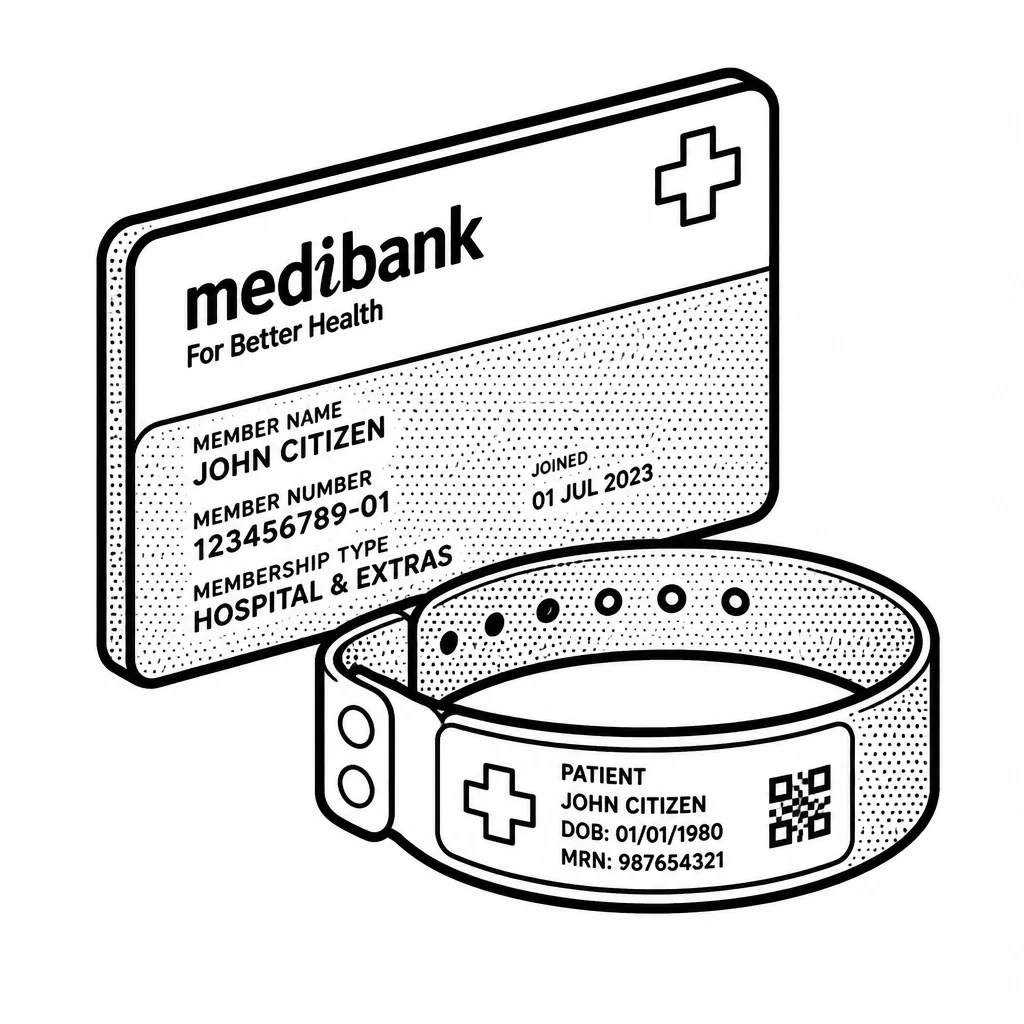
The business works a bit like a giant shared savings club. Millions of members pay in regularly, and the money goes out to hospitals, doctors and other providers when members claim. The insurer keeps the difference between what it collects in premiums and what it pays out, after costs — that gap is its profit. Medibank's pitch to customers is choice and speed: private cover can get you into surgery faster than the public system and lets you pick your doctor, in exchange for paying premiums. Medibank also runs health services beyond insurance. It owns hospitals and sells services like mental health support and preventive health programs, which gives it another way to earn money and a way to help keep members healthier and cheaper to cover. Its main rivals are other Australian private insurers such as Bupa (private) and NIB Holdings, which compete hard on price and on how much they pay back to members.
The company is listed on the ASX and is widely held by ordinary investors, including many retail shareholders. It pays dividends and has bought back shares, returning cash to owners. The big risks are clear: rising healthcare costs push premiums up, regulators must approve price increases, and younger, healthier people sometimes drop cover, which makes the pool older and more expensive. Medibank's fortunes rise and fall with how well it manages that balance — keeping premiums affordable while still paying claims and making a profit.
Saved answer · last researched 12 Nov 2026