Understand any stock in simple English
Enter a ticker to learn what the company does and how it makes money.
MINISO Group Holding Limited
Miniso sells affordable, design-led lifestyle products and collectible pop toys through thousands of stores worldwide.
Miniso is a global retailer that sells small, cheerful, affordable things: plush toys, pens, phone cables, storage boxes, cosmetics, snacks, and increasingly collectible "blind box" pop toys. Walk into one of its stores and you'll find shelves of cute, well-designed products at low prices, most of them under a few dollars. The company's pitch is simple: it makes everyday shopping feel like a small treat, and it designs or sources products so they look nicer than their price tags suggest.
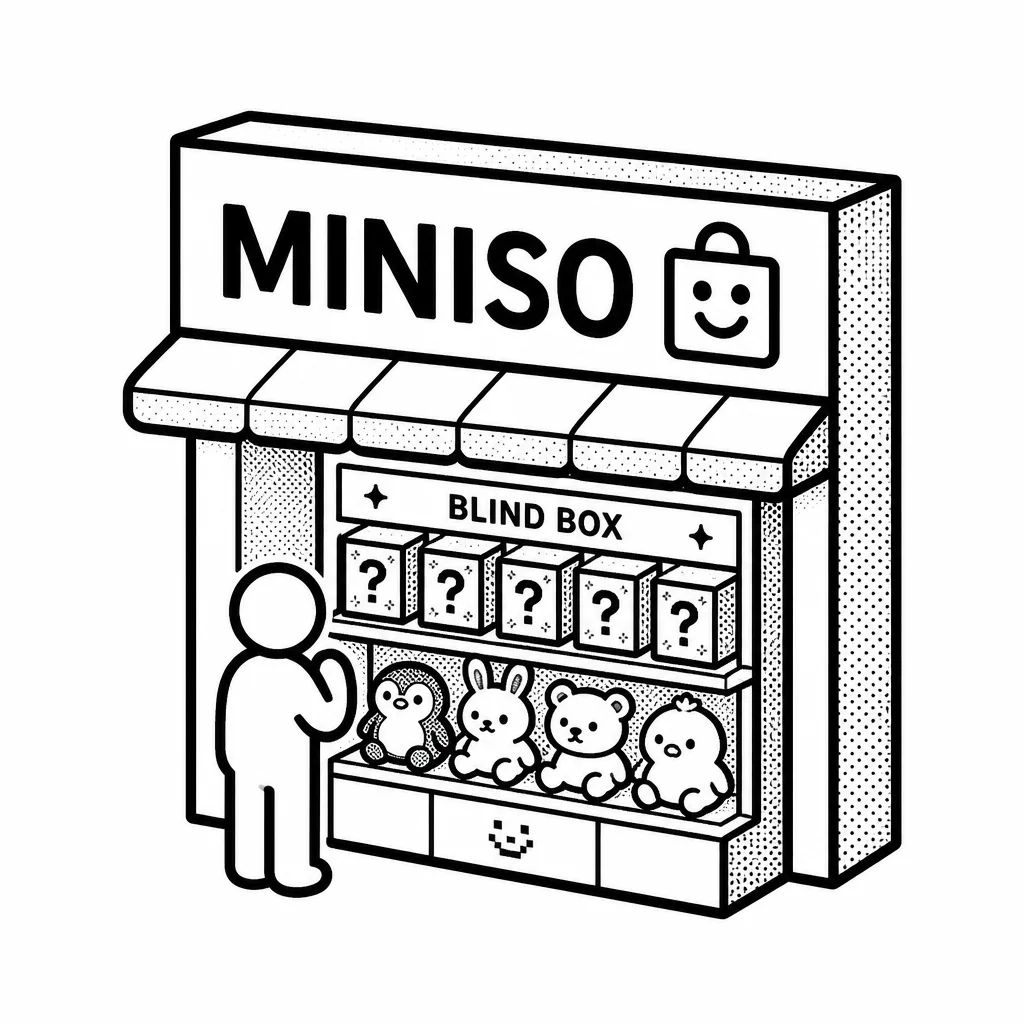
The business has two big engines. The first is its network of Miniso branded stores, which it runs itself in China and mostly through franchise partners and distributors abroad. Those partners pay to open and operate stores, which lets Miniso expand fast without carrying all the cost and risk of every location. The second engine is TOP TOY, its chain focused on pop toys and collectibles, a fast-growing category in China driven by blind-box culture — you buy a sealed box, open it, and hope for the rare figure inside. Miniso's real advantage is its supply chain and speed. It works with a huge base of Chinese factories, keeps a large in-house design team, and pushes new products into stores quickly and cheaply. That lets it refresh shelves constantly, which keeps customers coming back and makes the stores feel fresh. The model is closer to a fast-fashion machine for small household goods than to a traditional discount store — lots of small, low-cost items, moved fast. The company has grown aggressively overseas, especially across Southeast Asia, Latin America, and the Middle East, where its cheap-and-cute formula travels well. It listed on the New York Stock Exchange in 2020. The risks are real: it depends heavily on franchise partners and third-party factories, competition in the value-retail and pop-toy space is fierce, and its fortunes are tied to consumer spending and China's economic mood. It also leans on intellectual-property tie-ins for its collectibles, so licensing costs and fads matter.
Miniso generates cash from store sales and franchise fees, and it has used that money to keep opening stores, build out TOP TOY, and return capital to shareholders through buybacks and dividends. It is, at heart, a bet that people everywhere will keep buying small, affordable pick-me-ups — and that Miniso can keep designing them faster and cheaper than anyone else.
Saved answer · last researched 14 Nov 2026