Understand any stock in simple English
Enter a ticker to learn what the company does and how it makes money.
MIND Technology, Inc.
MIND Technology builds and sells specialized marine sonar and seismic equipment that ships and defense customers use to map the seafloor and hunt for submarines.
MIND Technology makes the eyes and ears that let people see and hear underwater. Its main products are sonar systems and marine seismic gear: sonar uses sound to detect, track, and map things in the water, while seismic equipment uses sound waves to peer beneath the seafloor and find oil, gas, or geological features. Customers include navies and defense forces doing maritime security, survey companies mapping the ocean bottom, and energy exploration crews hunting for resources under the seabed.
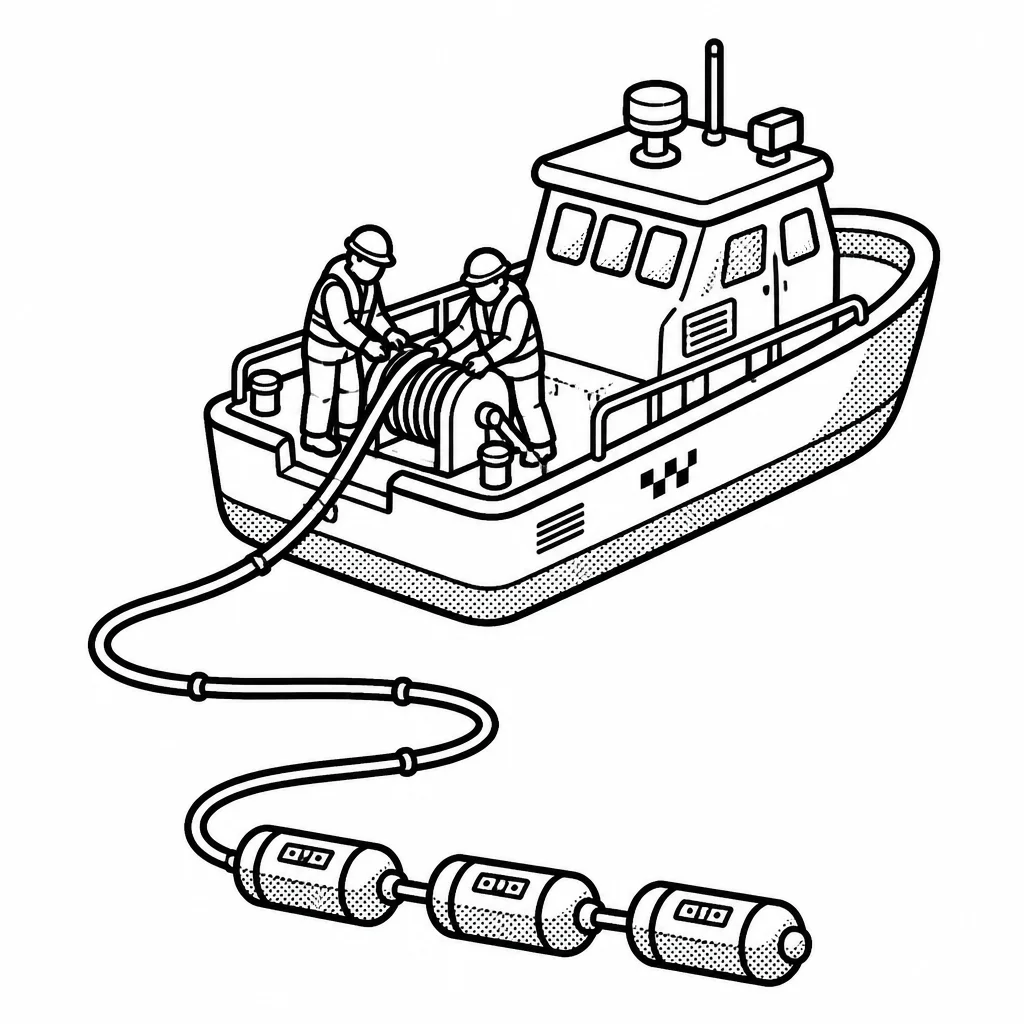
The company earns money by selling these systems and by servicing and supporting them after the sale. It sells to governments and contractors, often through long, competitive bidding processes, and a single order can be large and lumpy. That customer base is both a strength and a weakness: defense and survey spending is steady and hard for newcomers to crack, but sales can swing wildly from quarter to quarter depending on when a few big contracts land. MIND Technology was known for decades as Mitcham Industries, a company that leased and sold seismic equipment to oil explorers. The old oil-and-gas leasing business was cyclical and often unprofitable, so the company pivoted toward higher-tech sonar and defense products and renamed itself. That shift is the heart of the current story: a small, scrappy firm trying to become a builder of specialized maritime technology rather than a renter of commodity gear.
It is a tiny company, so it lives or dies on winning a handful of key contracts, and its financial results are volatile. The appeal for customers is real expertise in niche sonar and seismic hardware that few firms build, plus the training and support that comes with it. The risk is equally real: a small order book, heavy dependence on government budgets, and competition from larger defense and marine-tech players mean the business can be feast or famine.
Saved answer · last researched 16 Nov 2026