Understand any stock in simple English
Meridian Energy Limited
Meridian Energy generates renewable electricity, mostly from hydropower and wind, and sells it to homes, businesses, and big industrial customers in New Zealand.
Meridian Energy is New Zealand's biggest electricity generator, and it produces almost all of its power from renewable sources — mainly water and wind. It sells that electricity to households, businesses, and large industrial users across the country. In simple terms, it makes power and then sells it to people who need it.
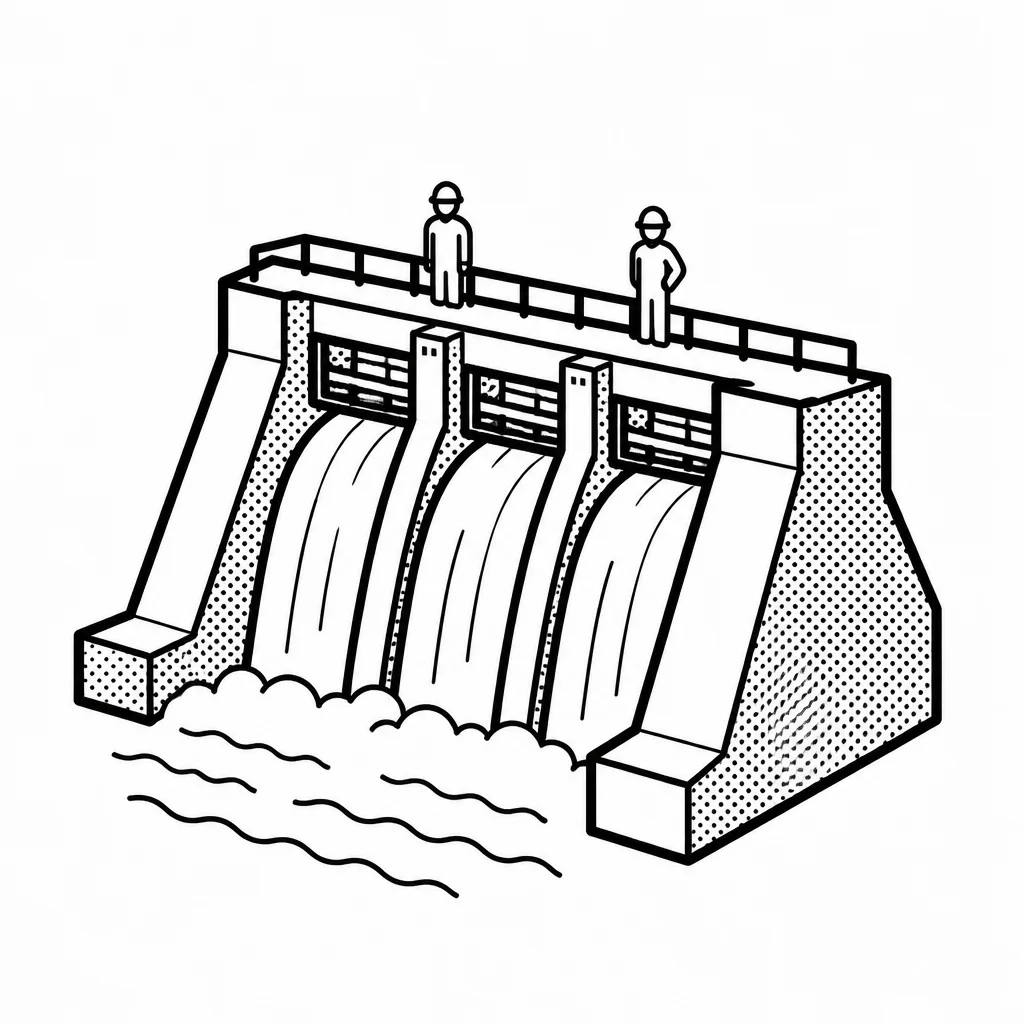
The heart of the business is a fleet of hydropower stations in the South Island, fed by big lakes and rivers, plus wind farms spread across the country. Water is the workhorse: it is cheap once the dams are built, and it can be turned up or down quickly when demand changes. Wind adds more clean power, and the two sources tend to balance each other — when it is dry and hydro is low, wind often helps fill the gap. This mix keeps fuel costs low, since neither water nor wind has to be bought. Meridian sells electricity in a few main ways. Its retail arm, known as Mercury... actually, its retail brand in New Zealand is Meridian, and it also owns the Powershop brand, selling power directly to homes and small businesses who shop around for a deal. On the other side, it signs long-term contracts with large industrial customers, like aluminium smelters and other big factories, who need huge amounts of steady power. Those contracts can be worth a lot and last for years. Its main rival is Mercury NZ, along with other generators and retailers in a fairly small, tightly connected market.
A clever quirk of the business is that the price of electricity in New Zealand is set by the most expensive power needed at any moment, and water in a dam is basically free fuel. So when demand spikes, Meridian can sell its cheap hydro power at high prices. The risk is the weather: a dry year means less water, which means less cheap power and lower profits. The company pays out a big chunk of its earnings to shareholders as dividends, which is one reason income investors like it. It is a steady, weather-dependent money machine: cheap clean power, sold into a market where prices can swing.
Saved answer · last researched 17 Nov 2026