Understand any stock in simple English
Enter a ticker to learn what the company does and how it makes money.
M. Dias Branco S.A. Indústria e Comércio de Alimentos
M. Dias Branco makes and sells biscuits, pasta, and wheat flour to Brazilian families and retailers.
M. Dias Branco is Brazil's biggest maker of biscuits and pasta. If you walk into a Brazilian supermarket, there is a good chance several of the packages in the cookie aisle and the pasta aisle come from this one company. It sells to ordinary shoppers through grocery stores and to retailers who stock its brands, and it also sells wheat flour, the raw material behind most of what it makes.
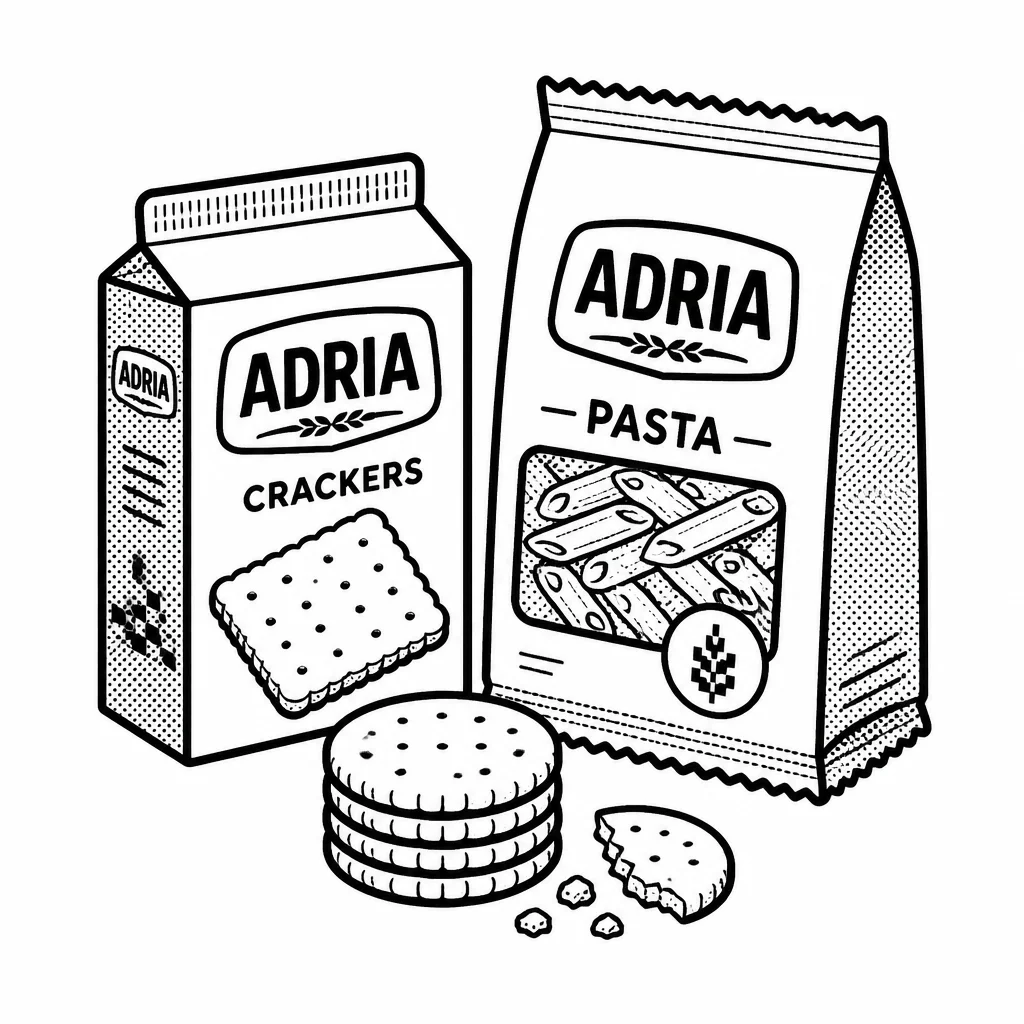
The business rests on a simple idea: wheat is cheap and boring, but turn it into a branded biscuit or a bag of pasta and it becomes something families buy again and again without thinking. That repetition is the prize. M. Dias Branco spends money on advertising and on keeping its products on shelves so that shoppers reach for a familiar name rather than the cheapest bag. Its best-known brands, like Fortaleza and Adria, do much of that work for it. Owning flour mills matters more than it might seem. By grinding much of its own wheat, the company controls a key cost and avoids paying a middleman, which helps when wheat prices swing around the world. It also runs a large distribution network that pushes its products into small stores across a country the size of a continent, a logistical feat that is hard for rivals to copy. That reach is one reason it has held onto its lead for years.
The company is based in the northeastern state of Ceará, where it grew from a family flour business into a national giant. The business is steady rather than glamorous, and it faces real pressure: commodity costs, fierce price competition from rivals, and Brazilian shoppers who are quick to trade down when money is tight. It pays out a meaningful share of its profits as dividends and has bought back its own shares over the years. The simple version: M. Dias Branco sells the everyday comfort food Brazilians already trust, and earns its money on the small margin it makes on millions of packages sold.
Saved answer · last researched 12 Nov 2026