Understand any stock in simple English
Enter a ticker to learn what the company does and how it makes money.
Medicover AB (publ)
Medicover runs private clinics, hospitals, and diagnostic labs that people and companies pay for healthcare and testing.
Medicover is a healthcare company that runs private clinics, hospitals, and diagnostic laboratories. It serves three broad groups: companies that buy health services for their employees, individual people who pay for their own care, and public sector bodies that contract out medical work. If you live in Poland, Romania, or another part of Central and Eastern Europe, there's a decent chance you've walked into a Medicover clinic or had blood drawn at one of its labs.
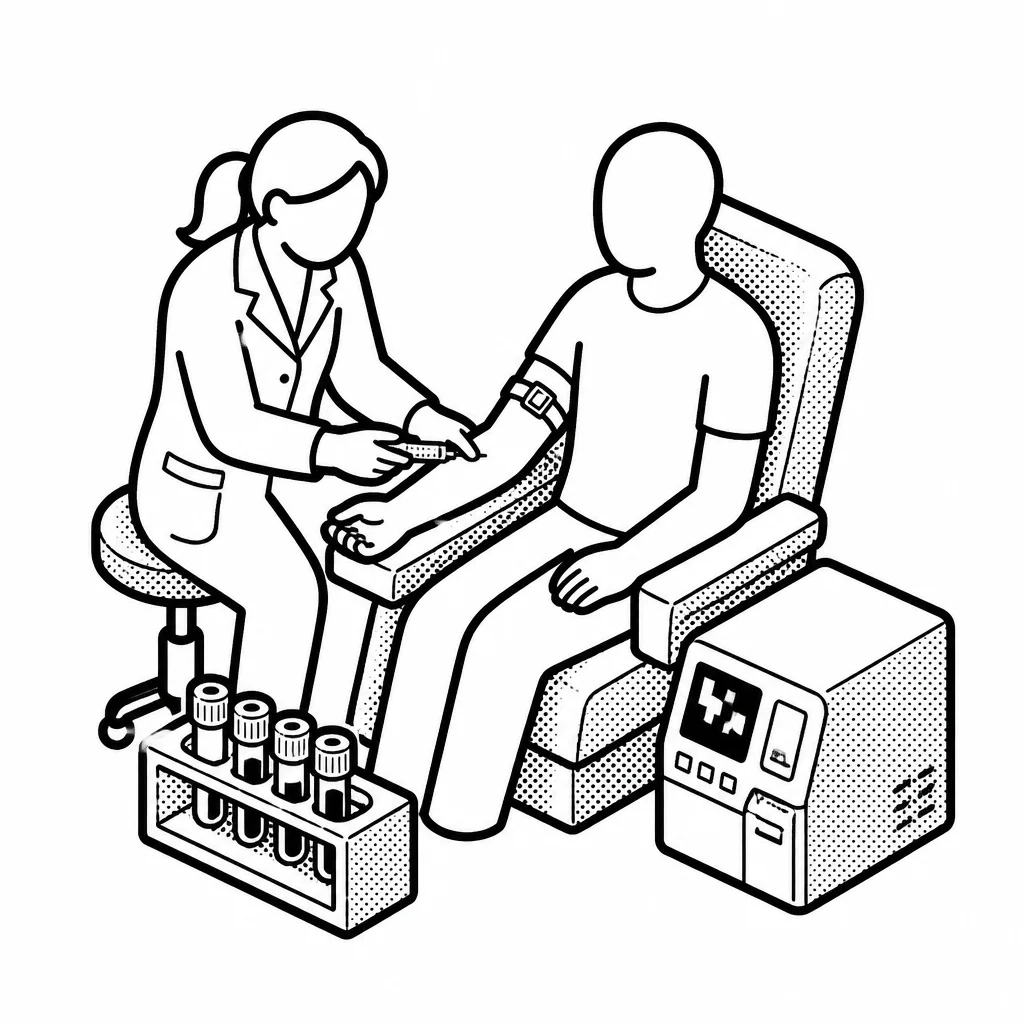
The business splits into two main halves. One is healthcare services — doctor visits, specialist care, dental, and hospital treatment, often sold as subscription-style packages to employers who want to keep their staff healthy and off long public waiting lists. The other is diagnostics, which means laboratory testing. That lab arm does a huge volume of routine blood and pathology tests, both for Medicover's own clinics and for outside hospitals and doctors who need a reliable lab to run their samples. The two halves feed each other: the labs give the clinics a cost advantage, and the clinics give the labs steady testing volume. The core appeal is simple. In many of its markets, public healthcare is free but slow, and people with a bit of money or a generous employer would rather pay to skip the queue. Medicover sells that shortcut. Employers pay because healthy workers take fewer sick days and because a private health plan is a perk that helps them hire. The company has grown by expanding across Central and Eastern Europe and by buying up local clinics and labs, which lets it scale quickly in fragmented markets where lots of small practices compete.
It's a business with real strengths and real risks. Healthcare is steady demand — people don't stop getting sick in a downturn — and once a company signs up for employee health plans, switching is a hassle, so revenue tends to stick. The flip side is that it's capital-hungry: clinics, labs, and equipment cost money, and the company carries debt from its acquisition spree. It also depends heavily on a handful of markets, so anything that dents employer spending or squeezes public health budgets in those countries hits it directly. Rivals range from local private clinic chains to bigger international players, but Medicover's size and its combined clinic-plus-lab model give it an edge that's hard to copy.
Saved answer · last researched 12 Nov 2026