Understand any stock in simple English
Enter a ticker to learn what the company does and how it makes money.
MBK Public Company Limited
MBK runs shopping malls, hotels, golf courses, and other consumer businesses, mostly in Thailand.
MBK is a Thai conglomerate that owns and operates big shopping malls, hotels, golf courses, and other consumer businesses, mostly in Thailand but with some operations abroad. If you have ever walked through a sprawling Bangkok mall packed with electronics stalls, fashion shops, and food courts, you have probably experienced the kind of place MBK is built around.
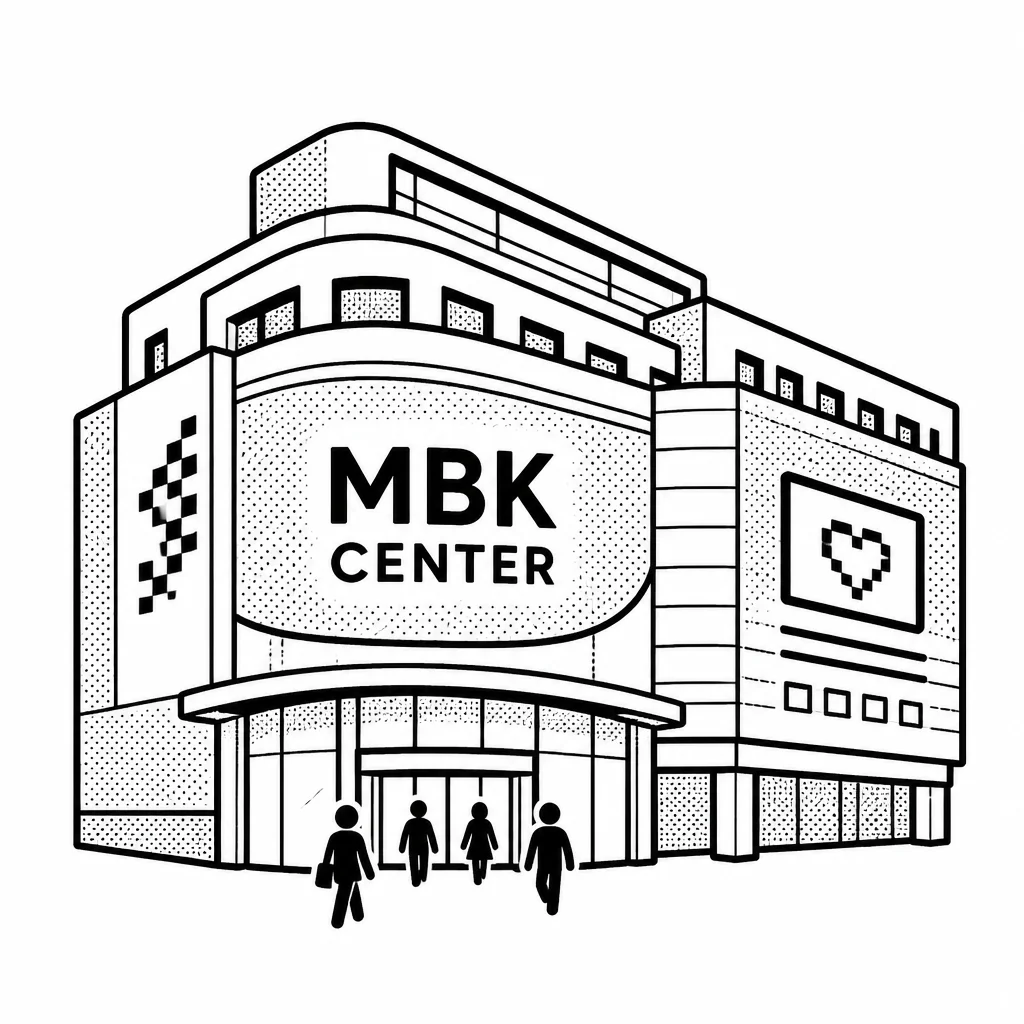
The heart of the company is its shopping centers, especially the MBK Center in Bangkok, a famous mall that draws both locals and tourists with its dense mix of small vendors and bigger stores. Alongside the malls, MBK runs hotels and golf courses, which serve tourists and leisure customers, and it has real estate and food businesses that fit around those. It also has financial and auction businesses, which are smaller pieces of the puzzle but add to the mix. Customers pay through rent from mall tenants, room rates at hotels, green fees at golf courses, and sales from its other operations. People choose MBK's properties because they are well located and well known, and because the company has spent decades building these destinations. The business is a bet on Thai consumer spending and tourism. When shoppers are confident and tourists are visiting, malls fill up and hotels and golf courses do well. When the economy slows or travel dries up, those same properties feel it, so MBK's fortunes rise and fall with the broader Thai economy more than with any single product.
MBK is a steady, asset-heavy company rather than a fast-growing tech story. Its properties are expensive to build and maintain, but they generate recurring rental and service income, and the company has long used its cash to keep upgrading its malls and expanding its mix of businesses. For investors, the appeal is a well-known Thai brand with real estate and consumer operations that generate cash across the economic cycle.
Saved answer · last researched 12 Nov 2026