Understand any stock in simple English
Enter a ticker to learn what the company does and how it makes money.
Maxeon Solar Technologies, Ltd.
Maxeon makes premium solar panels and cells for homes, businesses, and big solar farms around the world.
Maxeon Solar makes the panels that turn sunlight into electricity. It sells them to homeowners, businesses, and developers building giant solar farms, mostly in the United States and Europe. The company positions itself at the high end: its panels are built to squeeze out more power per square foot and last longer than cheaper alternatives.
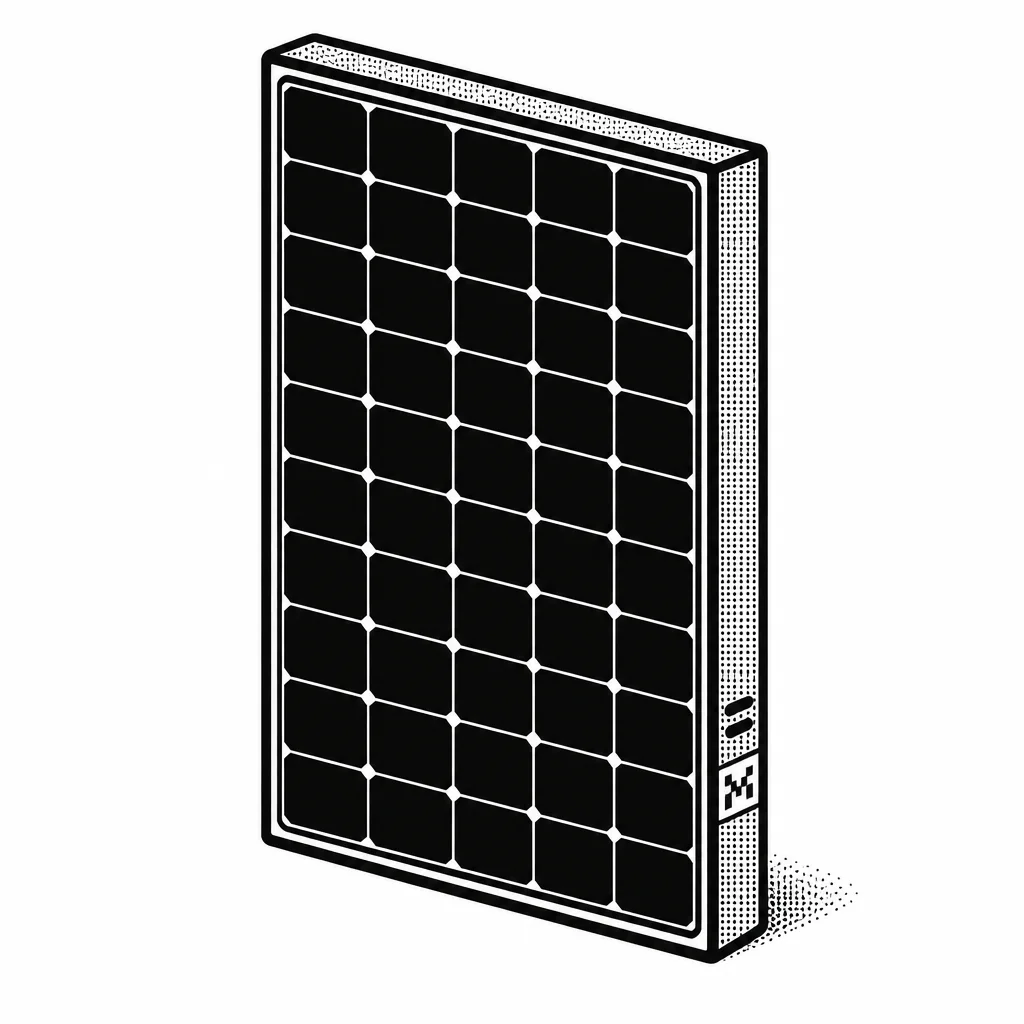
The core product is a solar panel, and the key ingredient is the cell inside it — the part that actually converts sunlight into electric current. Maxeon's signature cells use a design where the electrical contacts sit on the back of the cell instead of the front, so no metal blocks the light. That little trick means more of the sun's energy hits the silicon and gets converted, which is why the panels can claim higher efficiency. Homeowners with limited roof space often care about this: a more efficient panel means more power from the same roof. The business splits into two main channels. One sells panels to distributors and installers who serve homes and small businesses. The other sells to big developers and engineering firms that build utility-scale solar farms, where price per watt matters far more than elegance. Maxeon also earns money licensing its cell technology to other manufacturers, which is a smaller but interesting stream. The company is headquartered in Singapore, with manufacturing in Mexico and Malaysia, and it leans heavily on the American market — partly because US trade rules and tariffs have, at times, given it a cost advantage over Chinese-made panels. The story has been rocky. Maxeon was spun out of SunPower in 2020, taking the manufacturing side while SunPower kept the US installation business. The solar panel business is brutally competitive: panel prices have collapsed as Chinese giants flooded the market, and Maxeon has posted heavy losses. Its strategy is to compete on performance rather than price, but that is a hard place to stand when a commodity panel costs a fraction of yours. It has been cutting costs, restructuring, and leaning on its premium brand. Whether customers will keep paying up for a better panel — or just buy the cheap one — is the whole question.
For now, Maxeon's bet is simple: that efficiency and durability are worth a premium when roof space is scarce and reliability matters. It is a real business with real technology, but it is also a company fighting a price war it cannot win on volume, which makes execution and cost control the things to watch.
Saved answer · last researched 16 Nov 2026