Understand any stock in simple English
Main Street Capital Corporation
Main Street Capital lends money and invests in smaller private companies that are too big for a bank loan but too small for Wall Street.
Main Street Capital is a lender and part-owner of small, profitable private businesses — the kind of ordinary companies that make up most of the economy but rarely make headlines. Think of a family-run manufacturer, a plumbing supply distributor, or a chain of dental clinics. These companies need money to grow, buy equipment, or pay off a founder who wants to retire, but they are usually too small to sell bonds or go public, and a regular bank may not want the risk. Main Street steps in and writes checks that typically run from a few million dollars up to around $100 million.
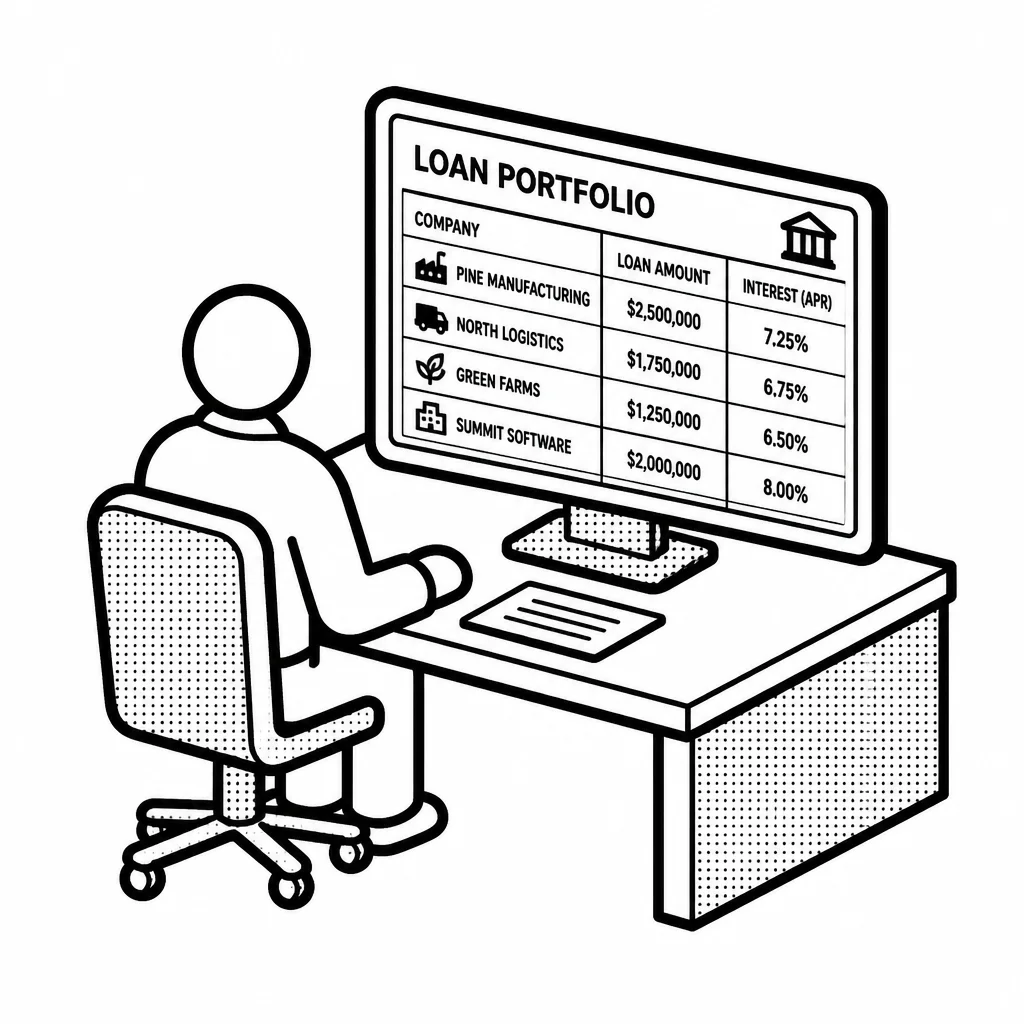
It makes money in two main ways. First, it collects interest on the loans it makes, usually at a floating rate that rises when the Federal Reserve raises rates, which helps protect its income. Second, it takes equity stakes in some of those companies, so it gets a slice of the profits if the business does well or gets sold. It also runs a separate fund-management arm that manages money for outside investors and earns fees for doing so, which is a smaller but steady stream of income. The company is based in Houston and has been publicly traded since 2007. What makes Main Street unusual is its structure. It is a business development company, or BDC, a special type of investment firm that Congress created to channel money into small businesses. BDCs must pay out most of their taxable income to shareholders as dividends, so Main Street is a favorite of income investors — it pays a monthly dividend, which is rare. Because its loans are mostly floating-rate, its revenue tends to rise when interest rates climb, a real advantage in recent years. It is internally managed, meaning its own employees run it rather than an outside firm collecting a big fee, which keeps costs lower than many peers. The risk is real, though. Main Street is lending to smaller, less-tested companies, and in a recession some of them will struggle to pay. Its loans sit below bigger lenders in the pecking order, so if a borrower fails, Main Street can lose more. And when the economy slows, the value of its equity stakes can fall sharply. It competes with other BDCs and private credit funds chasing the same borrowers, and its stock can trade at a premium or discount to the underlying value of its portfolio, which matters for investors buying shares.
Still, the business has been a quiet compounding machine for its shareholders, funding its loans partly with low-cost government-backed debt and prudent borrowing, and paying out a steady stream of dividends along the way.
Saved answer · last researched 17 Nov 2026