Understand any stock in simple English
Enter a ticker to learn what the company does and how it makes money.
Mid-America Apartment Communities, Inc.
Mid-America Apartment Communities owns and operates apartment buildings across the U.S. Sunbelt and collects rent from the people who live in them.
Mid-America Apartment Communities is a landlord — one of the biggest apartment landlords in America, but only in the Sunbelt, the warm, fast-growing strip of states from Arizona across to Florida and up through the Carolinas. It buys or builds apartment complexes, rents the units to ordinary working people and families, and keeps the difference between what tenants pay and what it costs to run the buildings.
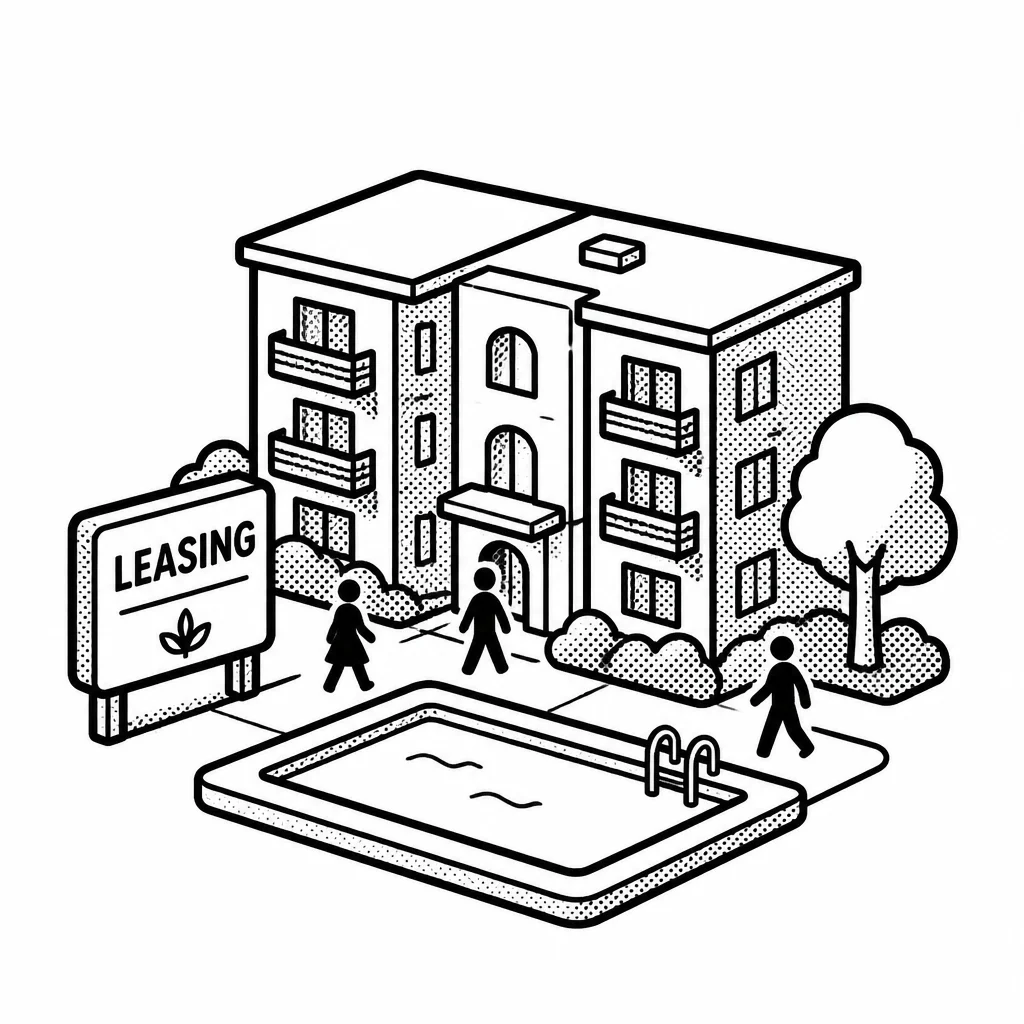
The business is simple to describe and hard to do well. The company owns tens of thousands of apartments spread across many metro areas. Renting an apartment is not a luxury purchase; people need a place to live, and in Sunbelt cities where jobs and population keep growing, demand stays steady. That steady rent check is the whole engine. Mid-America earns money mostly from monthly rent, plus smaller fees like pet rent, parking, and charges for things like trash pickup. What makes this business strong is scale and location. Owning many buildings in one city lets the company spread the cost of maintenance crews, leasing staff, and management across more units, which lowers cost per apartment. The Sunbelt focus matters because those markets have added people and jobs faster than the rest of the country, supporting rents over time. The trade-off is that apartments are a commodity — a tenant can rent from a private landlord down the street just as easily — so competition comes from other big apartment owners and from small landlords alike.
The company is structured as a real estate investment trust, or REIT, which means it must pay out most of its taxable income to shareholders as dividends. That makes it a favorite of income-seeking investors. It also means the company funds growth largely by raising money from investors and borrowing, so interest rates and construction costs shape its fortunes. In recent years, a wave of new apartment construction in Sunbelt cities has cooled rent growth, a real headwind the company has had to manage. Rents and occupancy are the numbers to watch: when they rise, the dividend is safe and the stock tends to do well; when new supply floods a market, both suffer.
Saved answer · last researched 12 Nov 2026