Understand any stock in simple English
Enter a ticker to learn what the company does and how it makes money.
Mapletree Logistics Trust
Mapletree Logistics Trust owns warehouses and logistics buildings across Asia-Pacific and earns rent from the companies that use them.
Mapletree Logistics Trust is a real estate investment trust, or REIT — a company that owns buildings and hands most of the rent it collects back to its investors. Its buildings are warehouses and logistics facilities: the big, plain boxes where companies store goods before they move them to stores or to your front door. The trust owns these properties across Asia-Pacific markets and earns money by leasing the space to tenants.
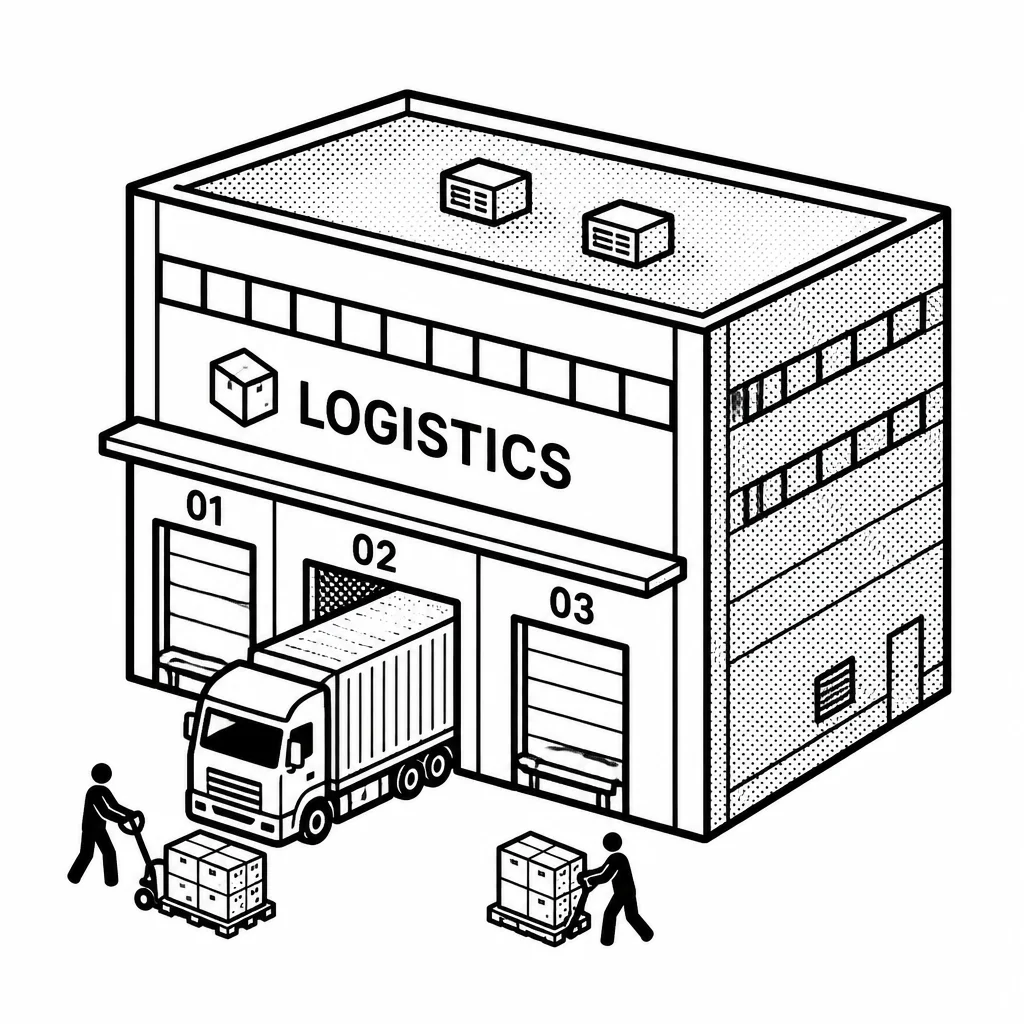
The business runs on a simple loop. Companies that make, import, or sell physical goods need somewhere to keep them — near ports, highways, and cities — and they pay rent for that space. Mapletree Logistics Trust buys or develops those buildings, finds tenants, and collects rent. Because warehouses are cheap to build relative to offices and shopping malls and need relatively little upkeep, the rent tends to convert into steady cash. The trust then pays out most of that cash to unitholders as distributions, which is the main reason people buy it: regular income rather than rapid growth. Its edge comes from scale and reach. Being spread across many countries — Singapore, China, Hong Kong, Japan, South Korea, Australia, Malaysia, Vietnam, and India among them — means no single market's downturn sinks the whole portfolio. The trust is managed by Mapletree, a large Singapore-based real estate group, which feeds it deals and development projects. Its main risk is the same as any landlord's: tenants can leave or demand lower rent when the economy softens, and rising interest rates make borrowed money more expensive, which squeezes the cash left for distributions. Competition comes from other industrial landlords and logistics REITs, plus big property players like CapitaLand Investment in its home market. The sector has a strong tailwind: e-commerce. Every online order needs a warehouse somewhere in the chain, and the pandemic made that shift permanent for many retailers. Mapletree Logistics Trust has also spent years recycling its portfolio — selling older, smaller buildings and putting the money into newer, larger, more modern ones in faster-growing markets. That keeps the portfolio relevant as tenants demand taller ceilings, better automation, and closer access to cities. For income-focused investors, the appeal is a diversified landlord with a built-in growth story; the catch is that warehouses are a popular asset class, so the trust pays up for new buildings and must keep rents rising to make the math work.
There is one quirk worth knowing. The trust trades under a Singapore listing, but many of its buildings sit in China and Hong Kong, where economic slowdown and a weak property market have weighed on rents and valuations. So the story is less "Asian e-commerce boom" and more "steady rent collector with a few soft spots" — which is roughly how the market has treated it.
Saved answer · last researched 12 Nov 2026