Understand any stock in simple English
Enter a ticker to learn what the company does and how it makes money.
Lyell Immunopharma, Inc.
Lyell Immunopharma develops next-generation CAR T-cell therapies to treat cancer patients with blood cancers and solid tumors.
Lyell Immunopharma is a clinical-stage biotech company trying to make one of medicine's most exciting ideas — engineering a patient's own immune cells to hunt cancer — work for far more people. The treatment it focuses on is CAR T-cell therapy. Doctors take a patient's T cells, which are a kind of white blood cell, and genetically reprogram them to recognize and attack cancer. The engineered cells are then put back into the patient. It has worked remarkably well for some blood cancers, but it often fails in solid tumors like lung or breast cancer, and even when it works, the cancer can come back.
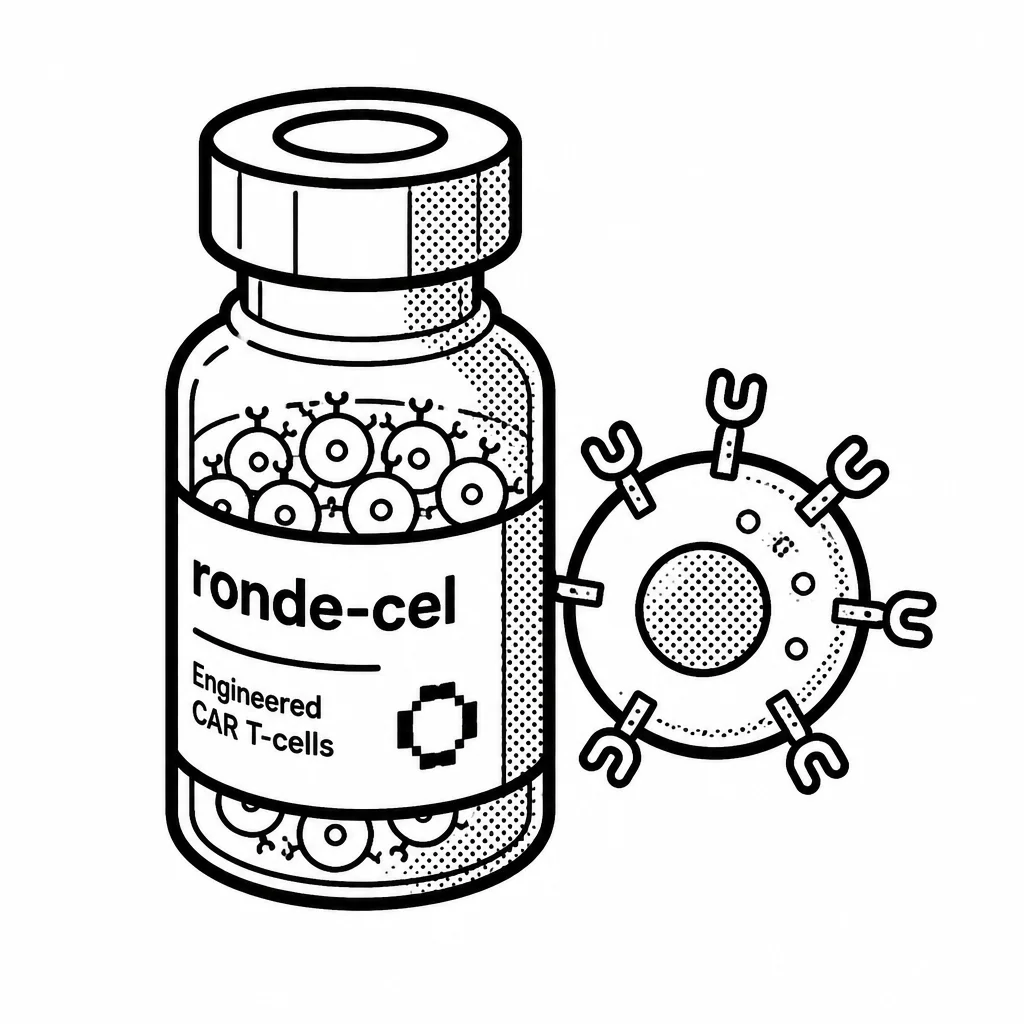
Lyell's bet is that the problem is the cells themselves. Engineered T cells often arrive exhausted, worn out from the fight, or they simply don't last long enough in the body to finish the job. Lyell has built a set of technologies, with names like Gen-R and Epi-R, designed to grow T cells that stay potent and remember the cancer, so they can keep attacking. The company is testing these in several programs, including therapies aimed at multiple myeloma and certain solid tumors, and it has struck partnerships with bigger drugmakers to combine its cell technology with theirs. Here is the catch, and it is a big one: Lyell does not yet have a product on the market. It earns essentially no revenue from selling medicine. Instead it is funded by investors who are betting on its science, and it spends that money on running clinical trials and developing its technology. Biotech companies like this are risky by nature — most experimental drugs fail — but the payoff can be enormous if one succeeds.
The company has gone through a reset. It was founded in 2018 by stem cell pioneer Rick Klausner and others, went public in 2021 at a hot moment for cell therapy, and then trimmed its ambitions, cutting programs and staff to focus its money on the most promising bets. That is the honest picture: a company with a serious scientific idea, real partners, and no approved product yet — a long-odds wager on whether better-engineered cells can crack cancers that current therapies cannot.
Saved answer · last researched 14 Nov 2026