Understand any stock in simple English
Enter a ticker to learn what the company does and how it makes money.
Lundin Mining Corporation
Lundin Mining digs up copper and other metals from mines in several countries and sells them to industrial buyers around the world.
Lundin Mining is a metals miner. It pulls copper, zinc, gold, silver and other metals out of the ground at mines in countries like Chile, Brazil, Sweden, Portugal and the United States, then sells those metals to smelters and traders who feed them into factories, power grids and construction sites.
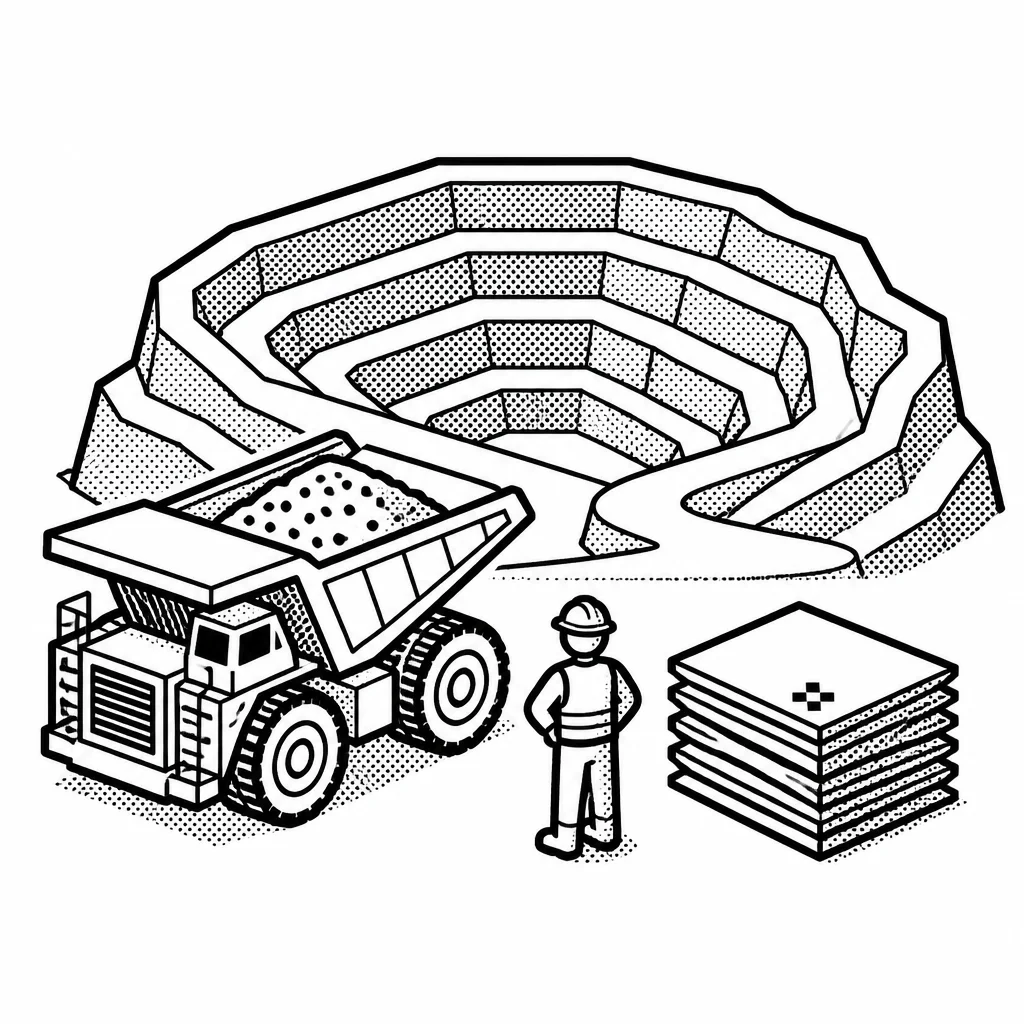
The business runs on a simple loop: find a deposit, build or buy a mine, dig for years, and sell the metal at whatever price the global market sets. Lundin does not control that price — nobody does. Copper trades on exchanges and moves with world demand, so a strong year and a weak year can look very different even if the mines run exactly the same. That price swing is the single biggest driver of how much money the company makes. Its biggest earner is copper, the metal that carries electricity, which makes it central to power grids, electric vehicles and data centers. Lundin's main operations include the Candelaria mine in Chile and the Chapada mine in Brazil, alongside older assets in Europe. It also owns a stake in the giant Escondida mine in Chile, run by BHP, which pays Lundin a share of profits without Lundin having to operate it.
The company has grown largely by buying mines rather than discovering them, and it pays shareholders a dividend while keeping some cash for mine expansions and acquisitions. The risks are real: mines are dangerous, expensive to build, and often sit in places with political or permitting headaches. When copper prices are high, Lundin is a cash machine; when they fall, the same mines become a lot less exciting.
Saved answer · last researched 12 Nov 2026