Understand any stock in simple English
Enter a ticker to learn what the company does and how it makes money.
Lundin Gold Inc.
Lundin Gold runs a big gold mine in Ecuador that turns rock into gold concentrate and doré bars, which it sells to smelters and refiners around the world.
Lundin Gold is a gold miner. It owns and operates one mine, called Fruta del Norte, in the Amazon rainforest of southeastern Ecuador, and almost everything the company does revolves around digging ore out of that ground and turning it into something the world's gold trade will buy.
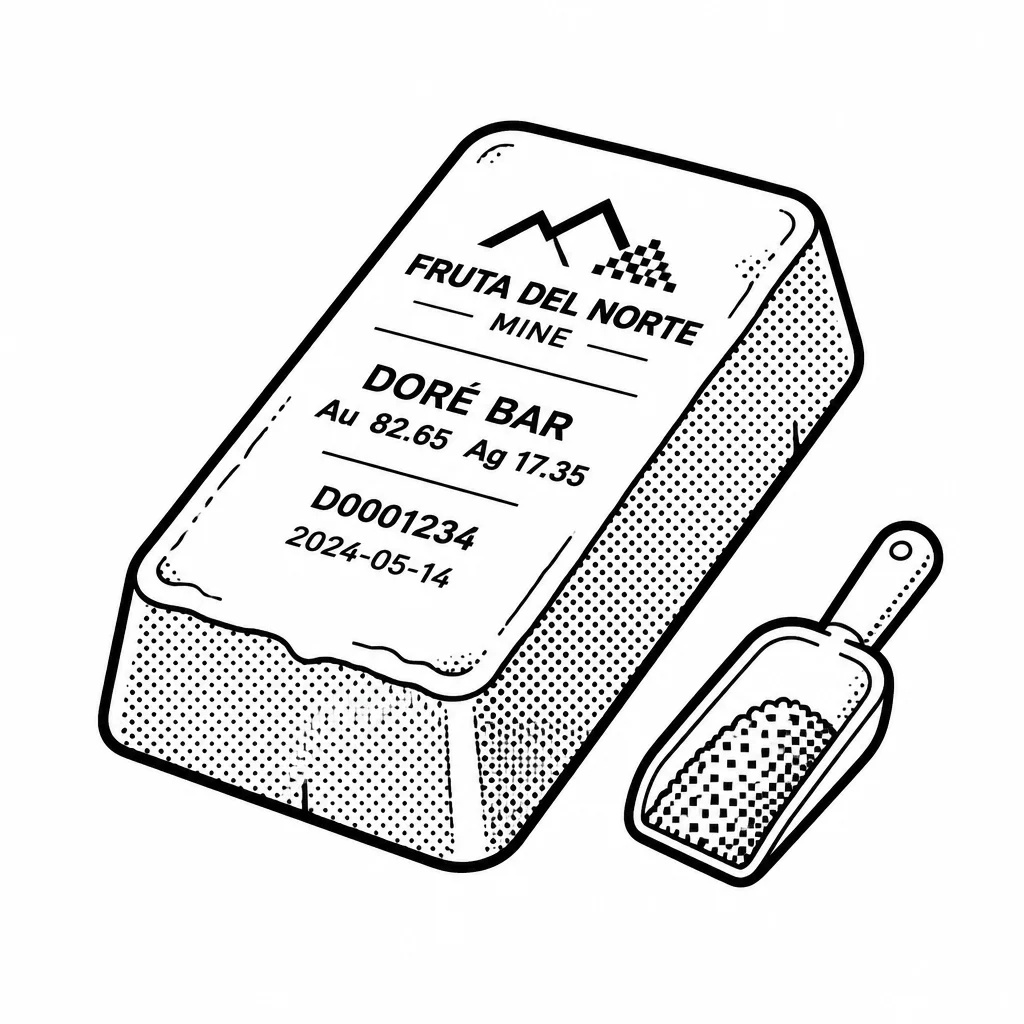
Here is the simple version of the business. The mine produces two things: a concentrate, which is a sandy, mineral-rich material containing gold and silver that gets shipped to smelters for further processing, and doré bars, which are rough chunks of gold and silver made right at the mine site that refineries then purify into the shiny bars people picture. The company sells that output to smelters and refiners, and it gets paid based on the gold and silver prices at the time, minus the fees those processors charge. So the customers are not jewelry shoppers or central banks directly — they are the middlemen who clean up the metal and pass it along. Fruta del Norte is the whole story, and that cuts both ways. The upside is that it is one of the highest-grade gold mines in the world, meaning each ton of rock pulled out holds an unusually rich load of gold, which keeps costs low and margins fat. That is the core of why the company chose to build it and why investors pay attention. The downside is that a single-mine company has no cushion: if the ore body disappoints, if Ecuador's government changes the rules, if local protests block roads, or if the gold price slumps, there is no second mine to lean on. Ecuador has also been a tricky place to operate, with security and political risk that miners elsewhere do not face.
What makes the business interesting is what it does with the cash. Because the mine is high-grade and relatively cheap to run, Lundin Gold throws off a lot of free cash flow, and it has been using that to pay down the debt it took on to build the mine, pay dividends, and buy back shares. The company has been a consistent dividend payer since it started returning cash, which is unusual for a miner that is still relatively young. The big question hanging over it is growth: with one mine and a finite ore body, the company either needs to find or buy another project, or accept that its output will eventually decline. For now, it is a cash machine tied to one very good hole in the ground.
Saved answer · last researched 12 Nov 2026