Understand any stock in simple English
Enter a ticker to learn what the company does and how it makes money.
Lightbridge Corporation
Lightbridge designs advanced nuclear fuel technology for existing reactors and small modular reactors, and licenses it to utilities.
Lightbridge is a nuclear fuel technology company. It does not build reactors or sell electricity. Instead, it designs a better kind of fuel rod — the metal tubes packed with uranium that sit inside a reactor core — and licenses the design to utilities that run nuclear plants.
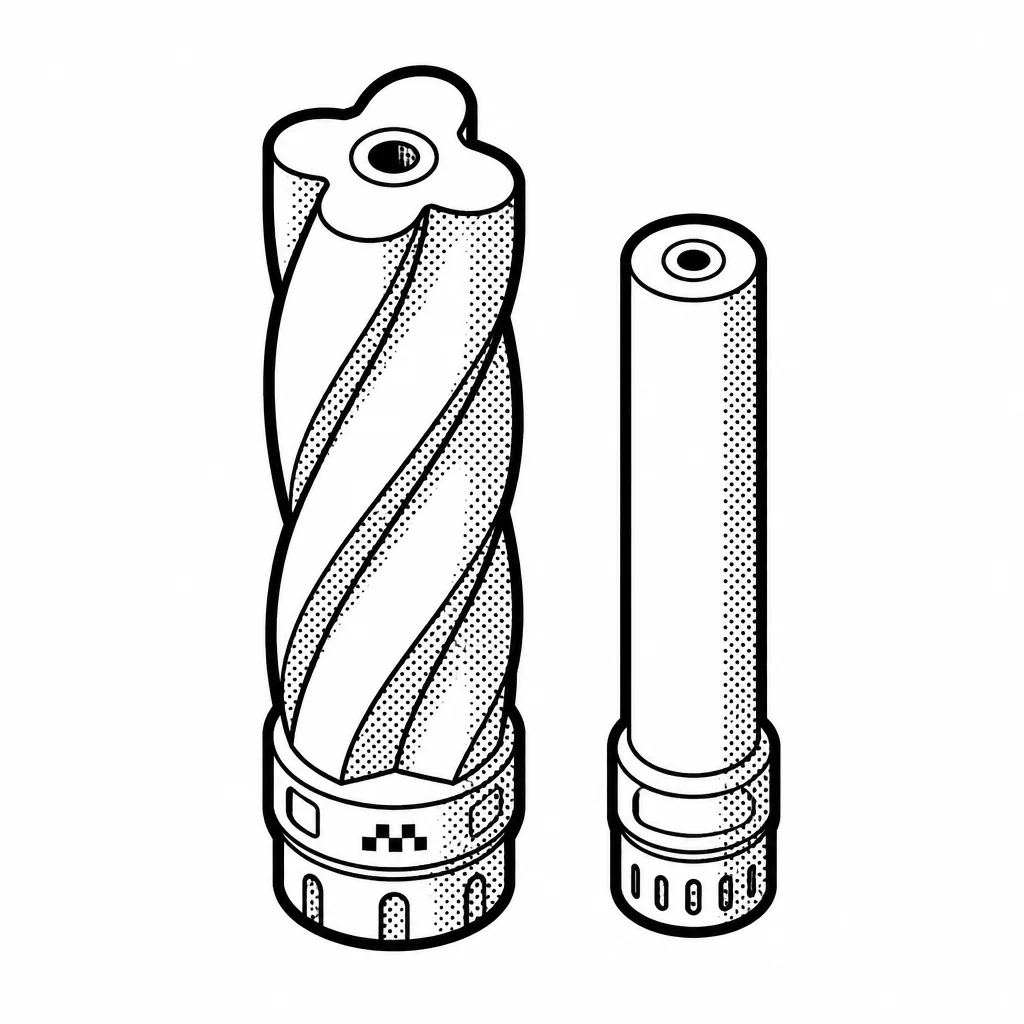
The core idea is simple. A standard fuel rod is a long metal tube filled with uranium pellets. Lightbridge's design uses fuel in a twisted, multi-lobed shape with a central hole, rather than a plain cylinder. That shape lets more of the fuel sit closer to the cooling water, so heat moves out faster and the fuel runs cooler. The payoff: a reactor can produce more power from the same core, or run longer between refueling, without building anything new. The company also positions the fuel for use in small modular reactors, the compact next-generation plants now being developed.
Lightbridge is a pre-revenue development company. It has no fuel in commercial reactors yet and no meaningful product sales. Its money comes from licensing deals and partnership agreements with fuel manufacturers and utilities, plus raising capital from investors. Years of research and testing have been funded largely by selling shares, which means the stock is a long-dated bet on the technology winning regulatory approval and commercial pickup. That makes it speculative: the thesis depends on engineering validation, Nuclear Regulatory Commission licensing, and utilities choosing to adopt a new fuel design — a slow, expensive path. The company has also worked with partners such as Framatome and Centrus Energy on manufacturing and fuel supply, and it has received support from the U.S. Department of Energy. The upside case is that data centers and electrification are driving fresh interest in nuclear power, and any utility that can squeeze more output from existing reactors without major construction has a strong reason to listen. Whether that translates into signed licenses and real revenue is the open question.
Saved answer · last researched 14 Nov 2026
BIG PICTURE
Lightbridge scores 3 out of 10 for competitive moat, as its fuel technology faces years of regulatory review
- 30% Moat score out of 10
- 70% Gap to a perfect moat score
Lightbridge owns patents on a metallic nuclear fuel meant to boost reactor power and cut waste, yet GuruFocus gives it a moat score of 3 out of 10, meaning it sees weak, short-lived advantages. The company has no revenue and just 13 employees, so its bet is that utilities will one day license the fuel. Until regulators approve it, competitors offering ordinary uranium fuel keep the upper hand. Source: GuruFocus, data from 2026
Timeline
Thorium Power Starts in Delaware
The company began in 1992 as Thorium Power, a nuclear technology firm built around thorium, an alternative to the usual uranium fuel. The idea was to make nuclear power safer and harder to turn into weapons material, and for years that was the whole pitch.
Thorium Power Merges With Itself
In 2006 the public shell company merged with the original Thorium Power business, which became a wholly owned subsidiary. Simple housekeeping on paper, but it set up the structure the company would use to raise money and list.
A New Name and a New Fuel
In 2009 the company became Lightbridge Corporation and pivoted to metallic nuclear fuel, a different way of packing the fuel inside a reactor. It listed on Nasdaq, giving outside investors their first real chance to own a piece of the idea.
Framatome and Enfission
Lightbridge badly needed a big partner to turn its fuel idea into a product, and in 2018 it got one: Framatome, a major nuclear fuel player, formed a fifty-fifty joint venture called Enfission to develop, license and sell fuel assemblies using Lightbridge's technology.
Enfission Is Dissolved
The partnership never got off the ground. Enfission sat inactive and was dissolved in 2021, after Lightbridge had already written off millions on the investment. The easy path to market was gone, and Lightbridge would have to prove the fuel largely on its own.
Lightbridge Joins the DOE Launch Pad
Then came a break: the Department of Energy picked Lightbridge for a program at Idaho National Laboratory that speeds up approval to build and run a dedicated factory for making test fuel assemblies. The CEO called it the most important step yet toward getting the fuel into real reactors, potentially years sooner than the normal licensing route.
Cash to Burn, but Not Forever
Lightbridge ended the third quarter of 2026 with about two hundred and thirty-seven million dollars in cash and no debt, plenty to keep funding the fuel program. But losses were widening as spending on research and overhead scaled up, and the pilot factory still needed more DOE and lab agreements, while commercial reactor use still required NRC licensing and utility approval.