Understand any stock in simple English
Enter a ticker to learn what the company does and how it makes money.
Legrand SA
Legrand makes the electrical and digital building infrastructure — switches, sockets, wiring devices, and network gear — that keeps buildings powered and connected.
Legrand makes the stuff that turns a building into a working, wired, connected place. If you flip a light switch, plug a laptop into a wall socket, or connect to Wi-Fi in an office, there's a decent chance the hardware behind that moment came from Legrand. The company sells switches, sockets, circuit protection, cable management, and network equipment — the unglamorous but essential parts that electricians and contractors install every day.
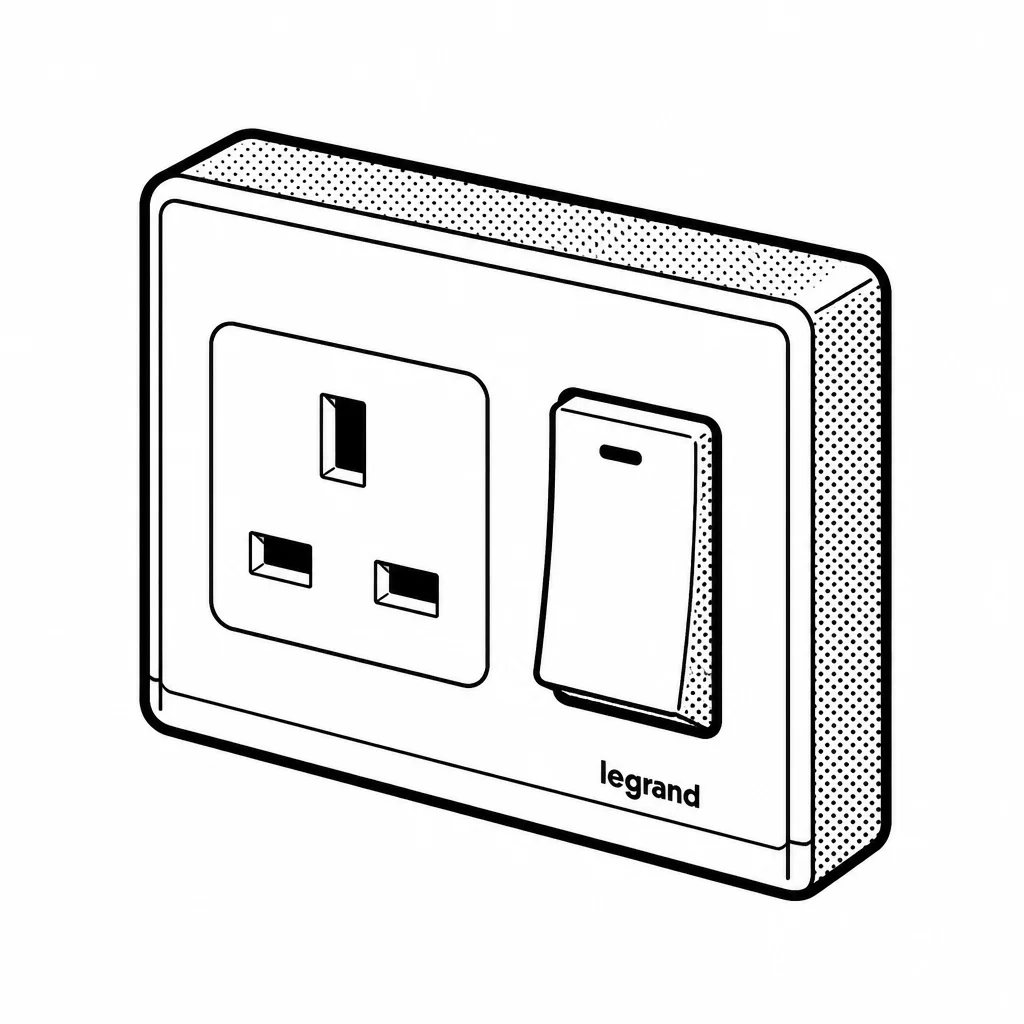
The customer is rarely a homeowner browsing a shelf. Legrand's core buyers are electricians, installers, contractors, and distributors who buy in bulk and care about one thing: gear that fits, works, and passes inspection without callbacks. Legrand wins because it has spent decades building a catalog broad enough to cover nearly any wiring job, plus brands and local know-how that installers already trust. It also sells directly to end-users in some markets, but the professional channel is the engine. The business has grown by buying. Legrand has made dozens of acquisitions over the years, snapping up regional wiring brands and specialists in areas like data centers, home automation, and energy management. That strategy lets it expand into new countries and new product niches without building everything from scratch. The flip side is that it must keep integrating those businesses and squeezing out costs, or the deals turn into expensive clutter.
Its main rivals are big global electrical players like Schneider Electric and ABB, along with a long tail of local brands that know their home markets well. Legrand's edge is depth in the wiring-device niche and strong relationships with installers. The risk is that construction spending is cyclical — when building slows, so does demand for switches and sockets. The company also has to keep pace as buildings get smarter, since digital infrastructure and energy efficiency are where the growth is now.
Saved answer · last researched 14 Nov 2026