Understand any stock in simple English
Enter a ticker to learn what the company does and how it makes money.
PT Lippo Karawaci Tbk
Lippo Karawaci develops townships and properties in Indonesia, and also runs hospitals, malls, and real estate asset management.
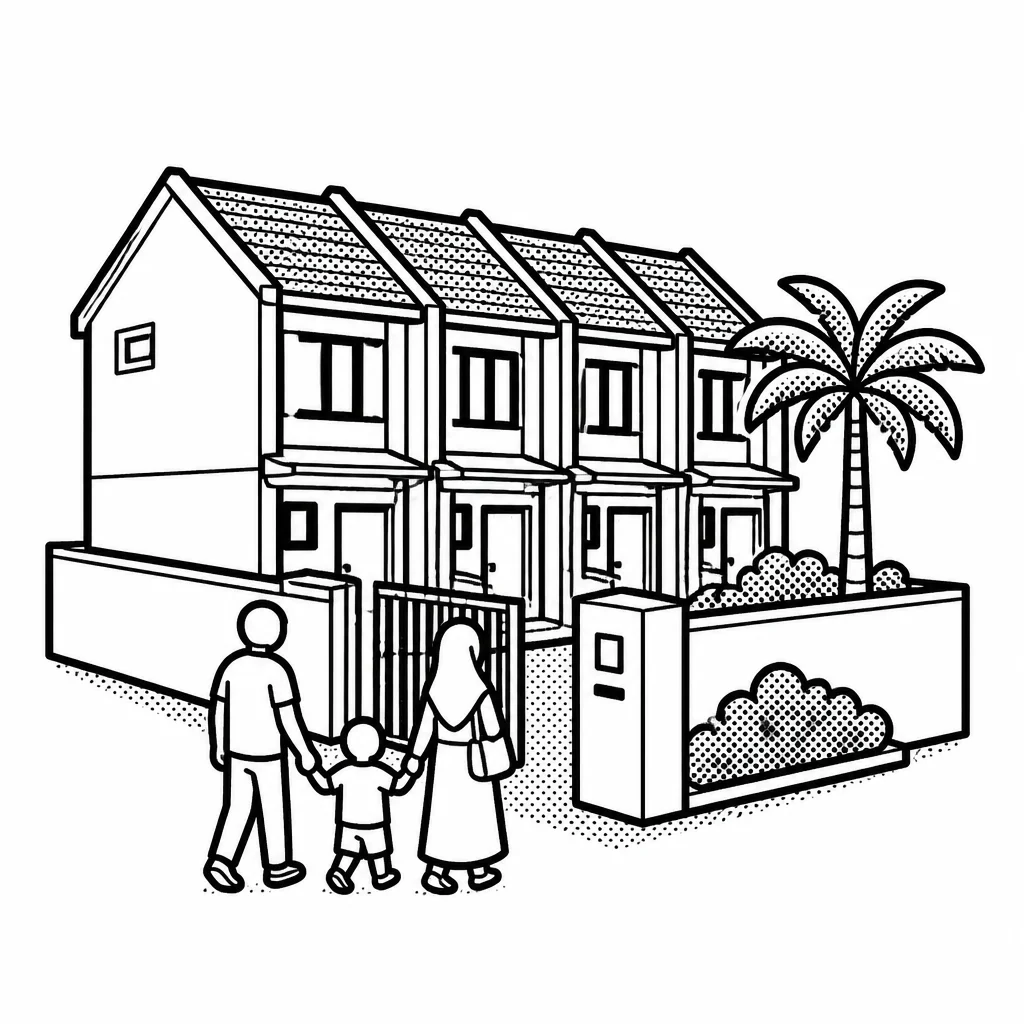
Lippo Karawaci is one of Indonesia's big property companies, and its core business is building whole towns. Instead of putting up a single apartment tower and moving on, it plans entire self-contained communities — thousands of houses, shops, schools, and roads — and sells the homes to middle-class Indonesian families. The flagship is Lippo Village in Tangerang, west of Jakarta, a town that has grown for decades around a private university and international schools. Buyers pay for the house, and the company keeps earning from the commercial centres and facilities inside the town.
Around that property engine sits a second, very different business: hospitals. Through its Siloam network, the company runs private hospitals across Indonesia, from big-city medical centres to smaller clinics in regional towns. This matters because Indonesia has a large population, a growing middle class, and a fast-expanding national health insurance scheme, so demand for private care keeps rising. Hospitals are a steady, recurring business compared with selling houses, which swings with interest rates and the economy. There is also a commercial arm that owns and manages shopping malls and other rental properties, collecting rent and management fees from tenants. And the company manages real estate assets for other owners, earning fees on top of its own buildings. Put together, the group's income comes from selling homes and land, treating patients, collecting rent, and managing property — a mix designed so that when one part is weak, another can hold up.
Lippo Karawaci has had a rough ride. It carries a heavy debt load, and the property market in Indonesia is cyclical, so the company has spent recent years selling assets, trimming its portfolio, and trying to strengthen its balance sheet. Its shares trade at a fraction of their earlier highs, a reminder that big land banks and ambitious townships can become a burden when cash gets tight. The bet now is that healthcare and rental income provide the stable base while property sales recover.
Saved answer · last researched 12 Nov 2026