Understand any stock in simple English
Enter a ticker to learn what the company does and how it makes money.
Light & Wonder, Inc.
Light & Wonder makes slot machines and casino games for gambling operators, and casual mobile games for everyday players.
Light & Wonder builds the machines people play in casinos and pubs, and it also makes casual games people tap on their phones. If you have ever pulled a lever or pressed a spin button on a slot machine in a casino, there is a decent chance the machine came from this company. It sells electronic gaming machines to pubs, clubs, and casinos, and separately it makes casual mobile games that consumers play for fun.
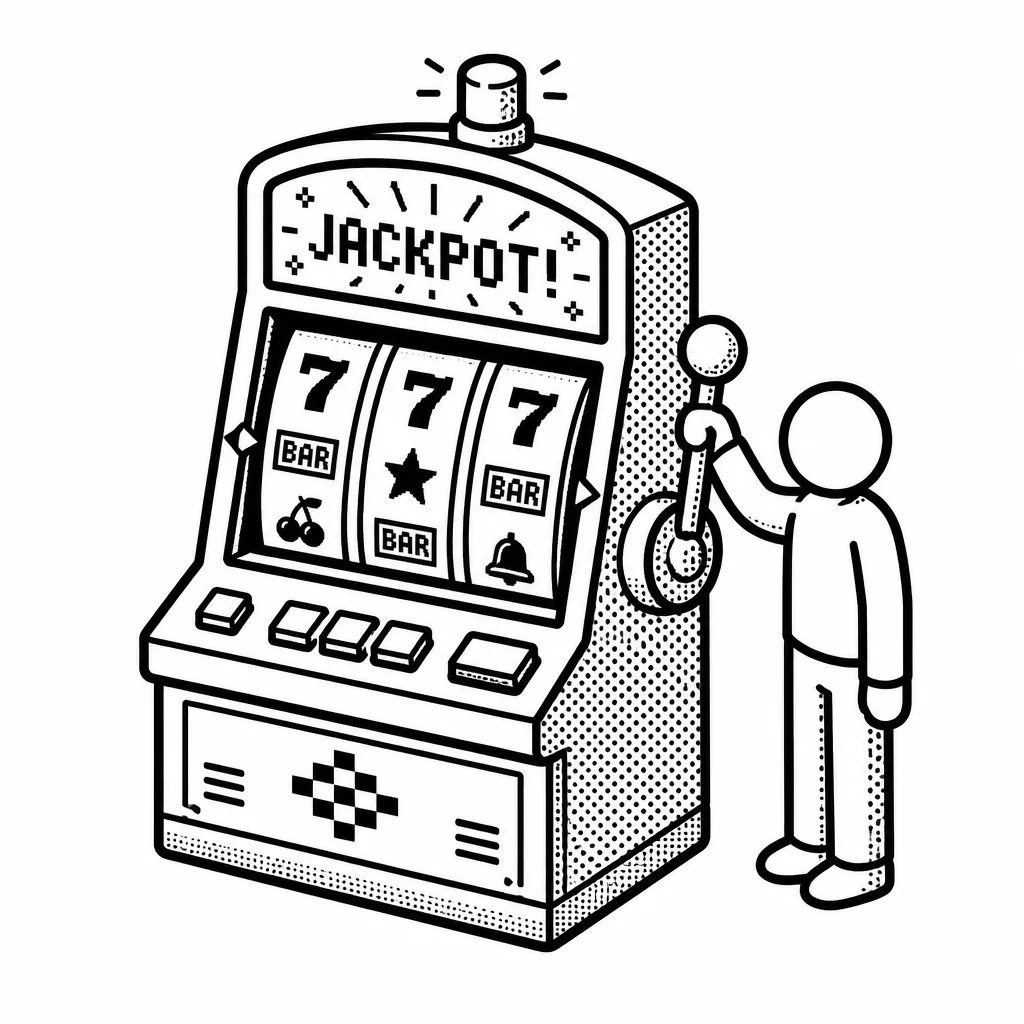
The biggest part of the business is gaming. Casinos and pub operators buy Light & Wonder's slot machines and the games that run on them, plus the systems that connect and manage those machines across a floor. This is a picks-and-shovels business: the company doesn't care much who wins at the slots, because it gets paid when operators buy or lease its machines and content. It also runs a smaller table-games side, supplying the physical gear and shufflers used at card tables. Competition is fierce — Aristocrat Leisure and International Game Technology are major rivals in the slot business — and casinos tend to stick with suppliers whose games players actually want to play. The second piece is casual mobile games, the kind you download and tap through in spare moments rather than the big-budget shooters. These games are free to play, and the company earns money from a slice of players who buy small extras inside them, like more lives or power-ups. It is a hits-driven business: a single popular game can throw off a lot of cash, but fashions change fast, so the company keeps a portfolio of titles rather than betting everything on one. The company used to be known as Scientific Games, a name tied to lottery tickets and betting systems, before it sold off those businesses and rebranded as Light & Wonder to focus on games. That reshaping matters: it turned a sprawling collection of gambling-related units into a leaner company centered on making and selling games. Its machines and content reach customers around the world, though the United States and Australia are important markets.
The honest catch is that this is a gambling-adjacent business, so it rides on how much casinos and players are willing to spend, and it faces real regulation in every market it touches. The mobile games side adds a second, less predictable engine that depends on keeping players entertained. When both are working, the company collects steady fees from operators and small purchases from phone players — two very different customers, one shared skill: making games people want to keep playing.
Saved answer · last researched 12 Nov 2026