Understand any stock in simple English
Enter a ticker to learn what the company does and how it makes money.
MAHLE Metal Leve S.A.
MAHLE Metal Leve makes engine parts and filters for carmakers and the repair market.
MAHLE Metal Leve makes the parts that live inside an engine and the filters that keep it breathing clean. Its customers are the people who build engines — car, truck, and machinery makers — and the shops and distributors that fix them afterward. The company is Brazilian, based in Mogi Guaçu in São Paulo state, and it grew out of Metal Leve, a homegrown engineering firm that became famous for pistons and bearings before Germany's MAHLE group took control of it.
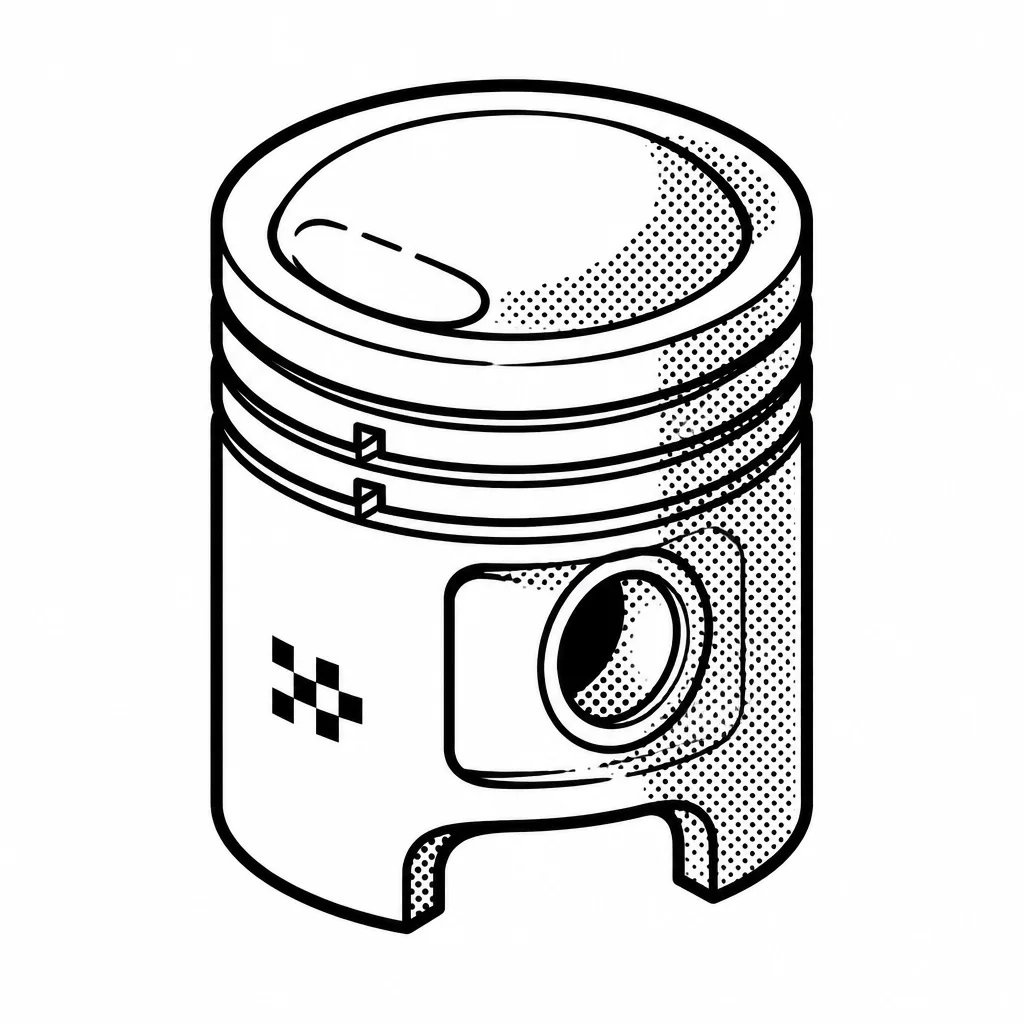
The core products are pistons, rings, bearings, and filters. A piston is the slug that slides up and down inside a cylinder and turns burning fuel into motion; it has to survive enormous heat and stress, which is why making one well is harder than it sounds. Bearings are the smooth metal surfaces that let a spinning shaft turn without grinding itself to death. Filters — oil, air, fuel — are the cheap, replaceable parts that keep grit out of the engine. Carmakers buy these parts to install in new vehicles, and the aftermarket buys them again every time an engine is rebuilt or serviced, which gives the business a steady replacement stream that does not depend only on new-car sales. The competitive edge is engineering and scale. Building a piston that meets a major automaker's specifications takes tooling, testing, and years of trust, so once a supplier is designed into an engine program it tends to stay there for that engine's life. MAHLE Metal Leve leans on its parent's global network for technology and on its own local plants for cost and delivery. The flip side is that this is a mature, cyclical business tied to vehicle production, and it faces large global rivals in the parts trade, so pricing power is limited.
Maintenance matters here. Engines are being asked to run hotter, cleaner, and with more electronics, and electric vehicles eventually need no pistons at all — a long-term headwind every engine-parts maker is watching. In the nearer term, the company's cash goes toward keeping plants efficient, funding research, and paying out to shareholders, since this is a steady dividend payer rather than a fast grower. It is a solid, unglamorous industrial supplier: it does not sell the car, it sells the tough little pieces that make the car's heart beat.
Saved answer · last researched 12 Nov 2026