Understand any stock in simple English
Enter a ticker to learn what the company does and how it makes money.
LEG Immobilien SE
LEG Immobilien owns and rents out thousands of apartments and commercial spaces across Germany, mostly to ordinary tenants.
LEG Immobilien is one of Germany's biggest landlords. It owns tens of thousands of apartments, along with some commercial space, garages, and parking spots, and rents them out mostly to ordinary people who need a place to live. The business is simple at its core: collect monthly rent, keep the buildings in decent shape, and slowly raise rents where the law allows.
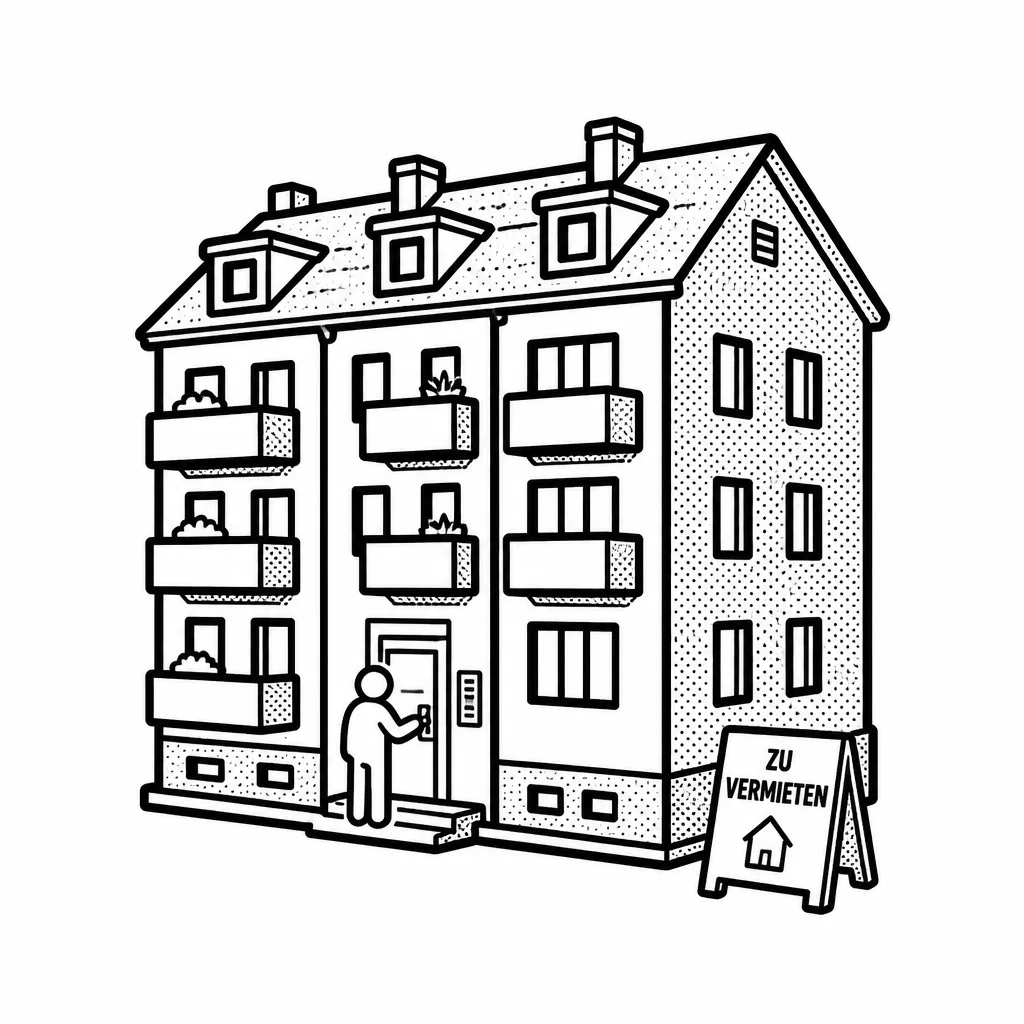
Germany is a country where a large share of people rent rather than own, and rents are tightly regulated, especially in big cities. That shapes everything LEG does. It earns money from rent, and it also earns money by buying buildings, improving them, and managing them more efficiently than the previous owner. Because rents can't be jacked up freely, the company's profit engine is really about scale and careful cost control — handling thousands of units with a lean central team rather than a small landlord fixing one building. Its main customers are tenants, who pay rent every month, and investors, who buy its shares and lend it money. The big risk is that the company carries a lot of debt, which it used to buy up apartment portfolios over the years. When interest rates jumped in 2022, property values fell and borrowing got expensive, which hurt companies like LEG across the board. Rising rates also made it costlier to refinance that debt, which is why LEG and its peers have been selling some buildings, cutting costs, and holding back on big purchases to protect their balance sheets.
The German rental market itself is a tailwind: housing is scarce in many cities, demand for flats is steady, and rents tend to creep up over time. Competitors include other large listed landlords such as Vonovia and TAG Immobilien, along with countless smaller private owners. LEG's edge is its size and its focus on mid-priced housing in secondary German cities, where it can run a tight ship. In short, it is a rent-collecting machine that works best when money is cheap and rents are rising, and has to be careful when they aren't.
Saved answer · last researched 12 Nov 2026