Understand any stock in simple English
Enter a ticker to learn what the company does and how it makes money.
Gladstone Land Corporation
Gladstone Land buys farmland and farm-related facilities and rents them to farmers, collecting rent as its main income.
Gladstone Land is a landlord for farmers. It buys farmland—mostly in places like California, Florida, and the Midwest—and then leases that land to the people who actually grow the crops. The farmers pay rent, the company collects it, and the farmers get to run their business without having to tie up millions of dollars buying the ground themselves.
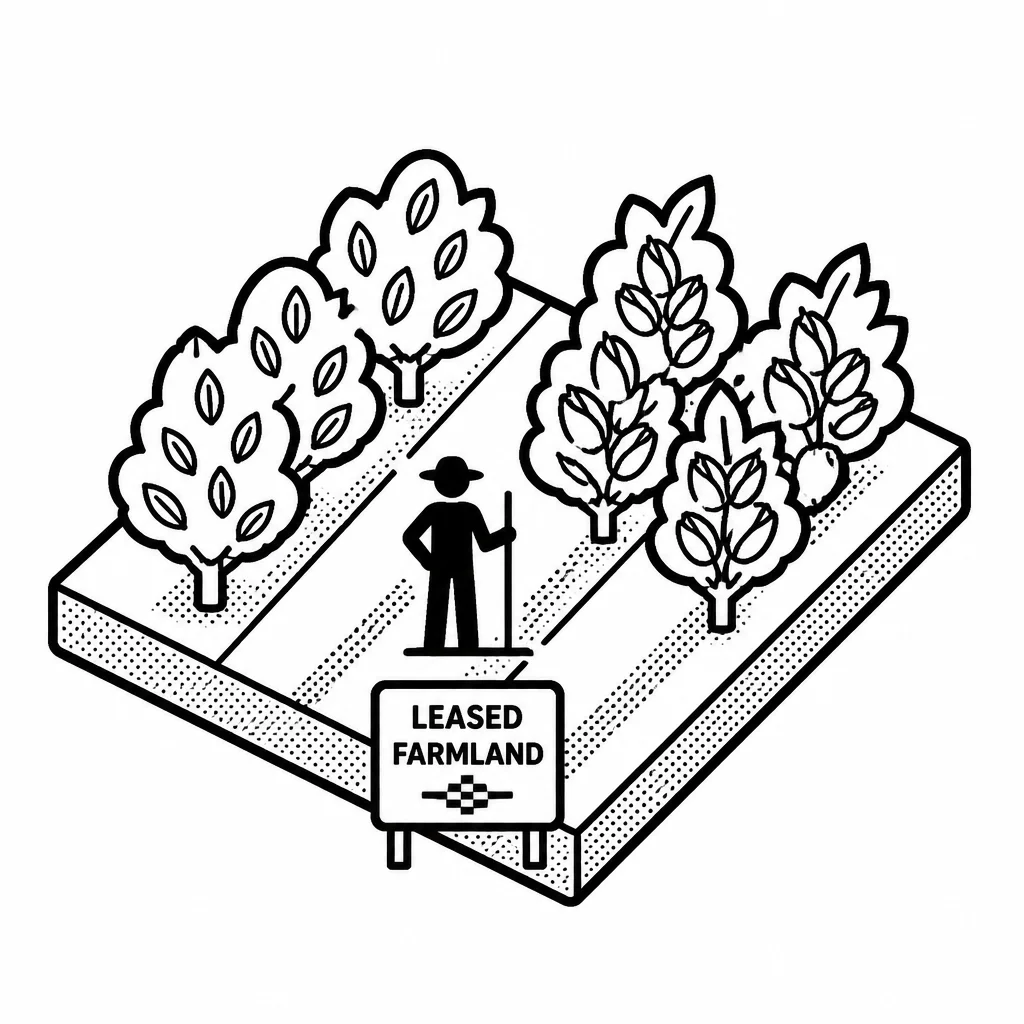
The business is a real estate investment trust, or REIT. That's a special kind of company that mostly owns property and is required by law to pay out almost all of its taxable income to shareholders as dividends. For investors, that means Gladstone Land is mainly a dividend play—a way to own a slice of American agriculture and collect regular cash payments. The company focuses on higher-value crops such as berries, vegetables, almonds, and wine grapes, often on land that comes with reliable water rights, which are the real prize in farming. What makes this business tricky is that farming is unpredictable. Drought, crop prices, and water regulations can squeeze farmers, and if a tenant goes broke, the landlord feels it. Gladstone Land tries to protect itself by signing long leases, often with yearly rent increases baked in, and by spreading its farms across many tenants and regions. It has also grown by buying more farms over time, funded partly by raising money from investors and partly by borrowing.
The company is small and niche, so it doesn't get the attention of big landlords like Realty Income or giant farm owners, but it offers something different: a way to own dirt that grows food. The catch is that farmland is slow, steady, and not very exciting—and the dividend only keeps flowing if the farmers renting the land keep paying.
Saved answer · last researched 16 Nov 2026