Understand any stock in simple English
Enter a ticker to learn what the company does and how it makes money.
Quaker Chemical Corporation
Quaker Houghton makes and manages the specialty fluids that factories use to cool, clean, and shape metal, and sells the service of keeping those fluids running properly.
Quaker Houghton sits in the unglamorous middle of heavy manufacturing. When a steel mill rolls a slab of metal into thin sheet, or an automaker stamps a car door out of steel, or a machine shop drills and grinds metal parts, the tools and metal need fluid to cool them, lubricate them, and carry away debris. Quaker Houghton makes those fluids and, just as importantly, manages them on the customer's site.
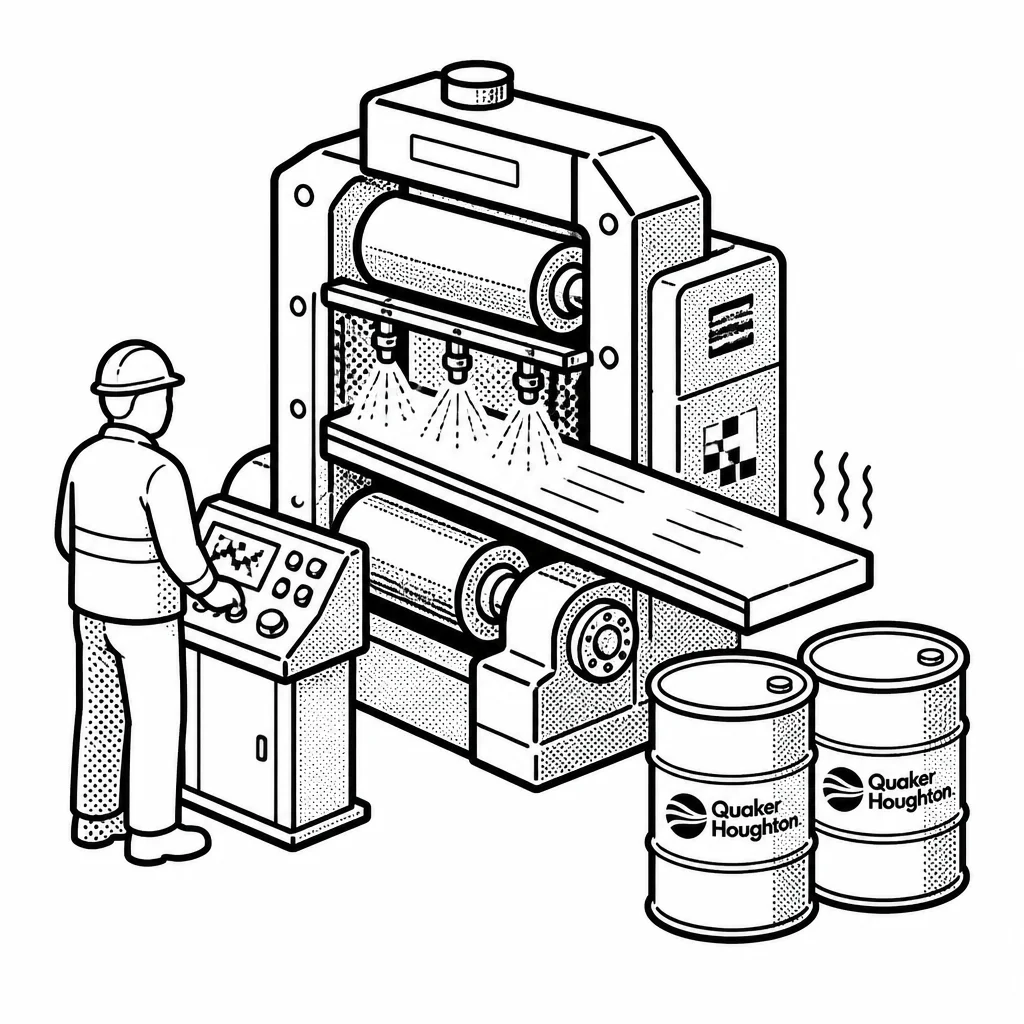
The business is split into three main buckets. Its industrial process fluids go into steel and aluminum rolling, metalworking, mining, and other heavy operations. Its specialty fluids serve customers like aerospace and automotive manufacturers. And its chemical management services mean the company doesn't just sell drums of fluid and walk away. It stations its own people inside customer plants to test the fluids, top them up, dispose of them, and keep the whole system running. That service model makes the company stickier than a plain chemical supplier, because switching means disrupting a working production line. Customers pay for reliability and expertise as much as for the liquid itself. Quaker Chemical and Houghton International were two long-time rivals that merged in 2019, creating Quaker Houghton and nearly doubling the size of the business. The combined company is headquartered in Conshohocken, Pennsylvania, and sells around the world, so it rides along with global industrial production. A big slice of demand tracks steel and auto output, which means the business is cyclical: when factories slow down, fluid volumes slow down too. But the service contracts and the recurring nature of fluid replacement give it a durable base. It competes with large specialty chemical players and regional fluid makers.
One thing to watch is how the company handles its debt and cash. The Houghton deal was big and left the company with borrowings to pay down, and management has focused on cutting that debt while still paying a dividend and making smaller acquisitions. It has bought niche fluid and coatings businesses to widen its technical reach. The core bet is simple: as long as the world keeps making steel, aluminum, cars, and machined parts, someone has to keep the fluids clean and flowing, and Quaker Houghton wants to be the company standing in the plant doing it.
Saved answer · last researched 16 Nov 2026