Understand any stock in simple English
Enter a ticker to learn what the company does and how it makes money.
Kalpataru Projects International Limited
Kalpataru Projects International is a global engineering and construction contractor that builds power lines, buildings, water systems, railways, and oil and gas facilities for governments and utilities.
Kalpataru Projects International is a giant construction company that builds the heavy infrastructure that keeps modern life running — the power lines that carry electricity across countries, the water pipes that reach homes, the buildings and railways people use every day, and the oil and gas facilities that feed industry. Big utilities, government agencies, and energy companies hire it to take a project from design all the way through construction, a model known as EPC, short for engineering, procurement, and construction. In plain terms: the customer hands over a plan, and Kalpataru handles the drawings, buys the materials, and puts it all together on site.
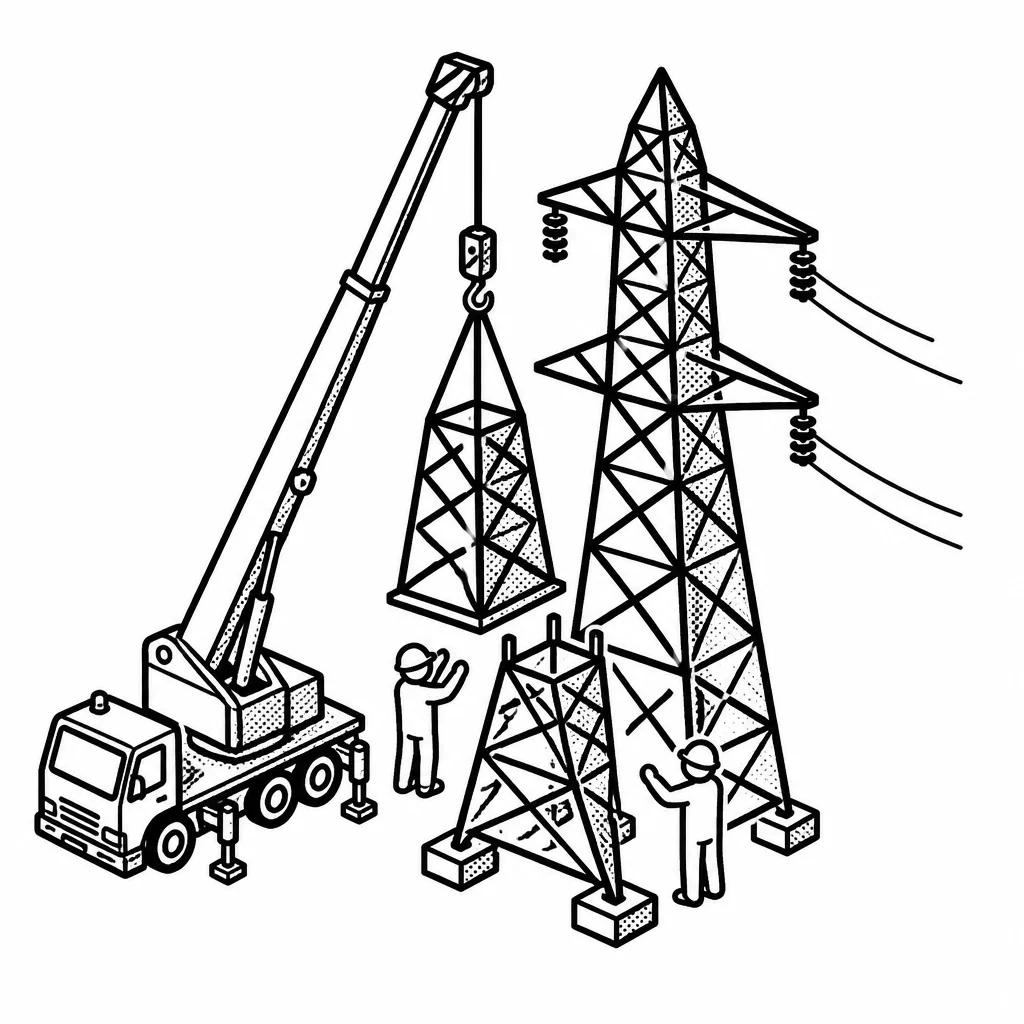
The company runs several distinct businesses under one roof. The biggest is power transmission and distribution, where it builds the towers, lines, and substations that move electricity from where it is generated to where it is used — a niche it has grown into one of the largest players in the world. Alongside that, it builds civil infrastructure like buildings, airports, and industrial plants, water projects such as pipelines and treatment plants, railway work including electrification, and oil and gas facilities and pipelines. It earns money by winning contracts, often through competitive bidding, and then collecting payment as it hits construction milestones. Customers choose contractors like this because the work is complex and risky, and a proven track record on big projects matters more than the lowest bid alone. Kalpataru has a long history in India and grew from a family-run business founded in the 1940s. It was known for decades as Kalpataru Power Transmission Limited before renaming itself to reflect a business that had spread well beyond power lines. Today a meaningful chunk of its work comes from outside India, particularly in Africa, the Middle East, and the Americas, so it earns in several currencies but also carries the risks that come with building in far-flung places — politics, weather, and payment delays. One honest truth about this business: it is capital-light on paper but cash-hungry in practice, because contractors often spend money up front on materials and labor before customers pay, and a single disputed contract can dent profits.
Its rivals are other large EPC contractors, including Indian peers like Larsen & Toubro and global engineering firms, so winning work is a constant fight on price, speed, and reputation. The company has been pushing into higher-margin and fast-growing areas such as transmission projects tied to renewable energy, and it has used acquisitions to widen its reach. It generally keeps money for growth and for managing debt rather than paying big dividends, since construction firms need cash buffers. The core bet is simple: as countries spend trillions upgrading grids and infrastructure for the energy transition, a contractor with global experience and a strong safety record can win a steady stream of large, long-term contracts.
Saved answer · last researched 14 Nov 2026