Understand any stock in simple English
Enter a ticker to learn what the company does and how it makes money.
Coca-Cola FEMSA, S.A.B. de C.V.
Coca-Cola FEMSA bottles and distributes Coca-Cola drinks across Latin America, making money by selling cases of soda, water, and juice to stores and restaurants.
Coca-Cola FEMSA is the biggest Coca-Cola bottler in the world by sales volume. It takes Coca-Cola syrup concentrate, mixes it with water and sugar, puts it in bottles and cans, and drives it to millions of small shops, supermarkets, restaurants, and street vendors across Mexico, Brazil, and several other Latin American countries. When you buy a cold Coke from a corner store in Mexico City, there is a good chance this company bottled it.
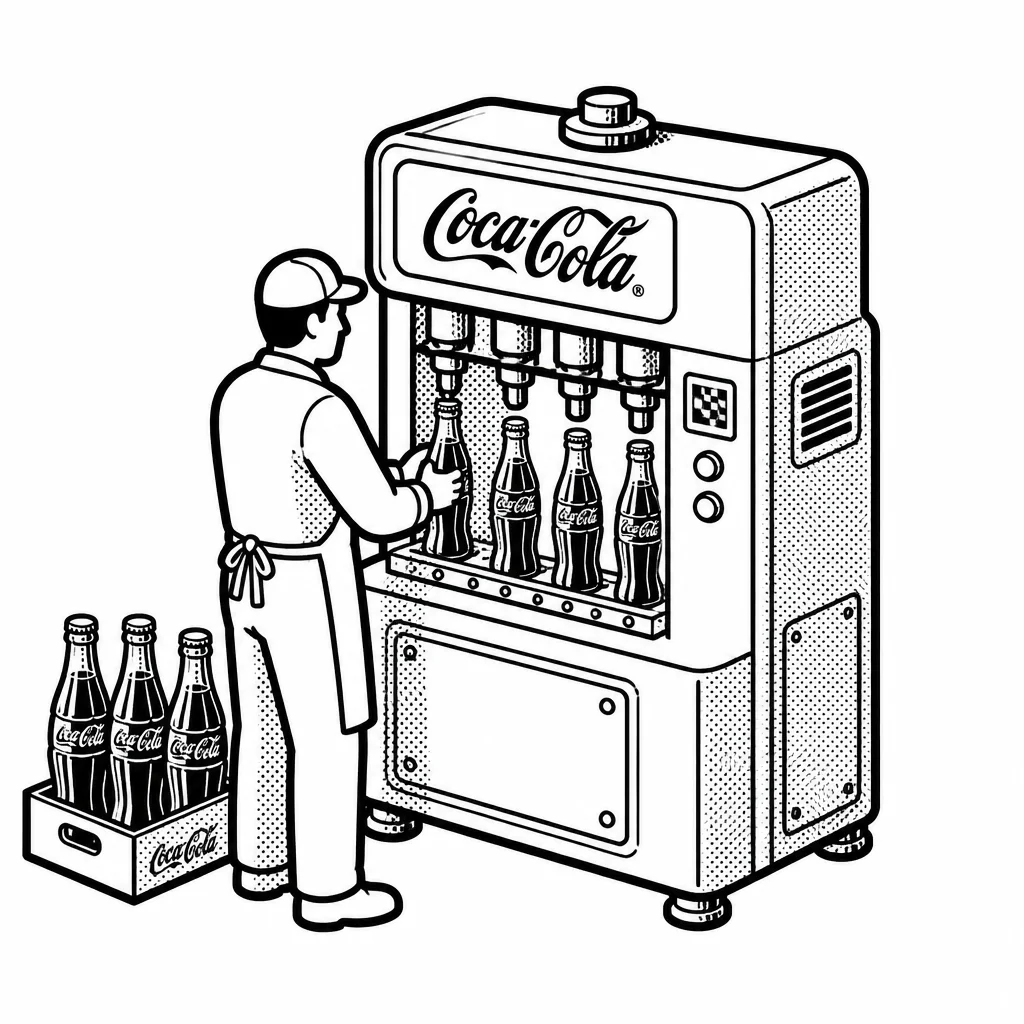
The business works like this: Coca-Cola itself, the Atlanta company Coca-Cola, sells the secret concentrate and owns the brand. Coca-Cola FEMSA handles everything else — the factories, the trucks, the coolers in the shops, and the delivery drivers who restock shelves. It pays Coca-Cola for the concentrate and keeps the rest of what you pay for the bottle. That means the company makes money on volume and efficiency: the more cases it sells and the cheaper it can produce and deliver each one, the better it does. Its dominant position in Mexico, where it sells roughly half of all soda consumed, gives it enormous scale and a delivery network that is very hard for rivals to copy. The company is not just soda. It also bottles water, juices, dairy drinks, and sports drinks, and it runs a retail chain of small stores called OXXO's sibling format — actually its own chain of convenience-style outlets — plus a growing push into returnable glass bottles, which are cheaper for the company and better for the environment. One notable wrinkle: the controlling shareholder is FEMSA, a huge Mexican conglomerate that also owns OXXO, the country's dominant convenience store chain. So Coca-Cola FEMSA sits inside a family of businesses that touch the same customer at different points.
The obvious risks are sugar taxes, health campaigns against sugary drinks, and currency swings across Latin America. The company has also been spending heavily on acquisitions and on returnable bottles to keep costs down. Its free cash flow mostly goes back into the business — new coolers, trucks, and bottling lines — and into dividends for shareholders, rather than dramatic buybacks. It is a steady, high-volume machine: not glamorous, but a huge piece of how Latin America drinks.
Saved answer · last researched 12 Nov 2026