Understand any stock in simple English
Enter a ticker to learn what the company does and how it makes money.
KNR Constructions Limited
KNR Constructions builds roads, highways, bridges, and water projects in India and gets paid by the government for the work.
KNR Constructions is a construction company that builds the physical bones of India — highways, flyovers, bridges, irrigation canals, and urban water systems. Its main customer is the government: national and state road agencies, irrigation departments, and municipal bodies that hire contractors to turn drawings into asphalt, concrete, and pipelines. KNR is the contractor doing the building, not the one designing the policy or owning the finished road.
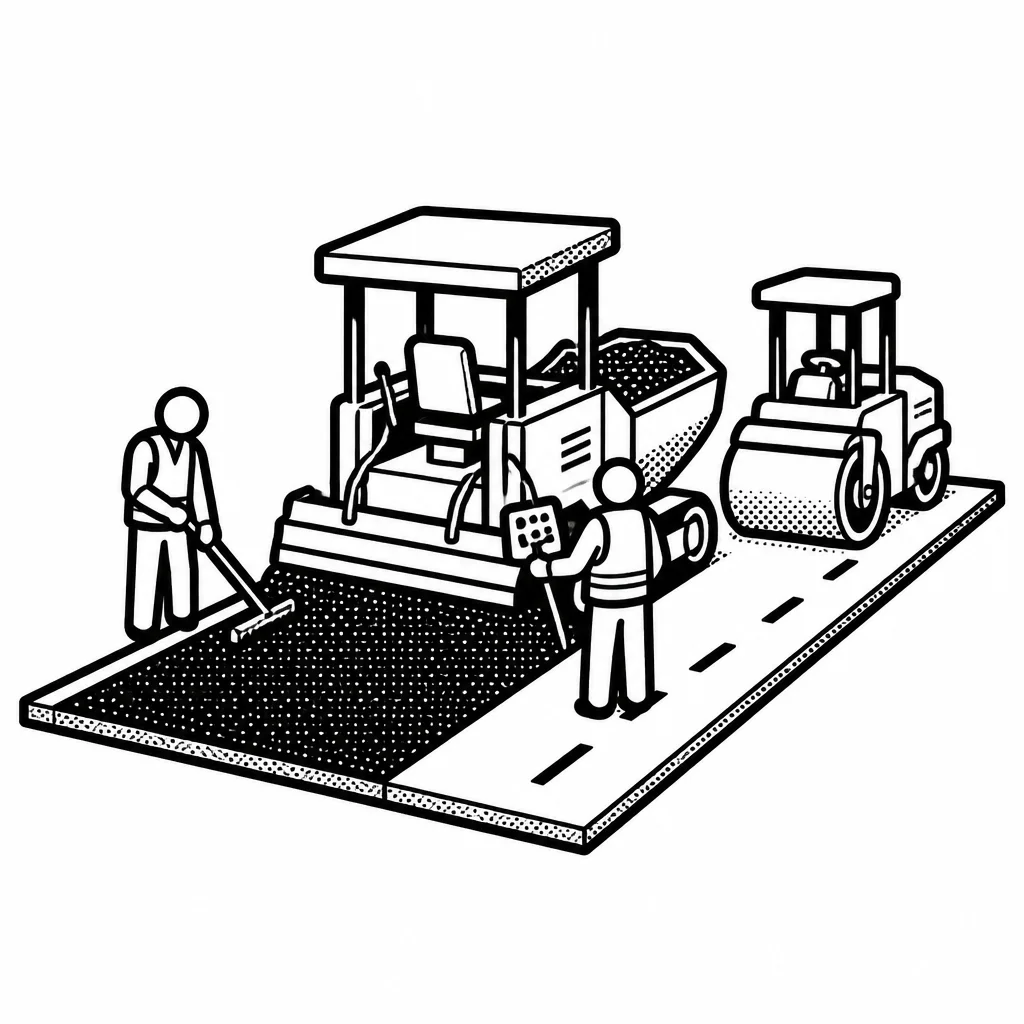
Most of its money comes from engineering, procurement, and construction contracts, usually shortened to EPC. In this model the government hands KNR a project and pays it as the work progresses, so KNR earns a margin on the building rather than taking the risk of owning and operating the road. It also does some build-operate-transfer work, where it builds a road, collects tolls for a set number of years, and then hands it back — a way to earn returns long after the cement has set. Road and highway work is the biggest slice, with irrigation and water projects rounding out the business. The company sits in a crowded field of Indian infrastructure builders, competing for government tenders against rivals like Larsen & Toubro and IRB Infrastructure Developers. Winning depends on bidding sharp and executing on time, because fixed-price contracts punish delays and cost overruns. KNR has a long reputation for finishing projects on schedule, which matters when the customer is a government agency that pays on milestones and can blacklist contractors who stall. Its order book — the backlog of projects already won but not yet built — is the number to watch, since it tells you how busy the company will be in the coming years.
The business is cyclical and tied to government spending. When New Delhi pushes infrastructure hard, order books swell; when budgets tighten, the pipeline thins. KNR also carries the usual contractor risks: rising material costs, land-acquisition delays, and payments that can arrive slowly from public clients. It funds growth partly from its own cash and partly with debt, and it has historically paid small dividends while reinvesting most profits into equipment, working capital, and new bids. In short, KNR is a bet on India continuing to pour money into roads and water — and on the company staying disciplined enough to build them profitably.
Saved answer · last researched 14 Nov 2026