Understand any stock in simple English
Enter a ticker to learn what the company does and how it makes money.
Keyera Corp.
Keyera gathers, processes, stores, and transports natural gas and natural gas liquids for energy companies, and also sells and markets those products.
Keyera is the middleman of Western Canada's energy business. It doesn't usually find the gas or own the wells. Instead, it runs the sprawling network of pipes, processing plants, and storage tanks that sit between the wellhead and the customer — taking raw natural gas and natural gas liquids from producers, cleaning them up, moving them, and storing them until someone needs them. Think of it as the plumbing, the refinery, and the warehouse all rolled into one for the companies that actually pull fuel out of the ground.
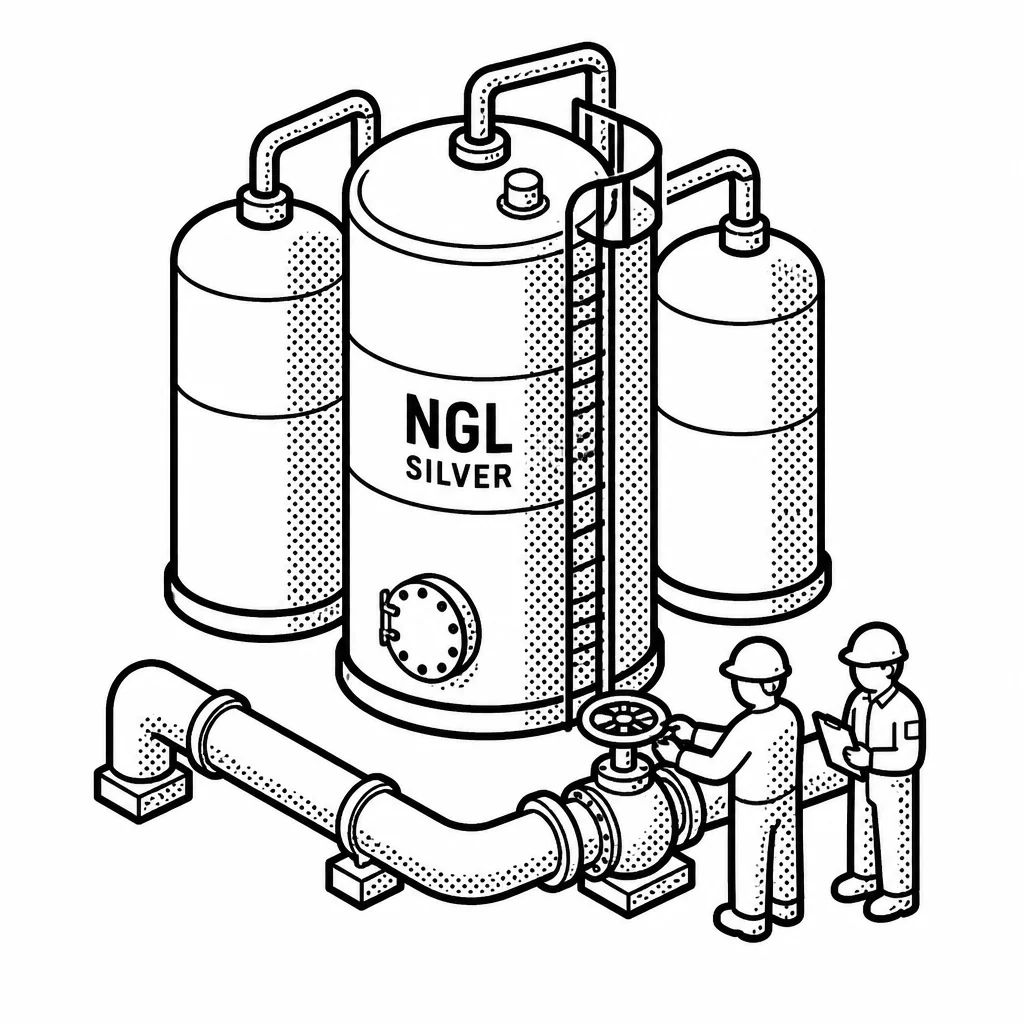
The company makes money in a few main ways. It charges producers fees to gather and process their gas and to store and move their liquids — a toll-road model where the money comes from handling other people's stuff, not from betting on the price of oil. On top of that, its marketing arm buys, sells, and trades natural gas liquids and other products, which means Keyera does take on some commodity risk, though it tries to keep that side disciplined. Its most famous assets are the huge liquids-processing plants and storage caverns around Fort Saskatchewan, Alberta, a hub that has been called the heart of Canada's natural gas liquids business. Keyera's customers are mostly oil and gas producers operating in the Western Canadian Sedimentary Basin. They choose Keyera because building your own processing plant or pipeline is expensive and slow, and because the Fort Saskatchewan complex gives them access to a liquid market where their products can be sold and shipped. The company is headquartered in Calgary, Alberta — the traditional home base of Canada's energy industry — and its shares trade on the Toronto Stock Exchange.
The business has a reputation for steady, fee-based cash flow, which it uses to pay a long-running dividend and to fund new projects like processing plants and pipelines. Because much of its revenue comes from fees rather than commodity prices, Keyera tends to be less swingy than the producers it serves. But it is still tied to the health of Canadian energy production: if producers drill less, there is less gas to process and fewer liquids to store. Its scale, its prime location in the liquids hub, and the difficulty of replicating its network are what keep competitors at bay.
Saved answer · last researched 12 Nov 2026