Understand any stock in simple English
Enter a ticker to learn what the company does and how it makes money.
James Hardie Industries plc
James Hardie makes fiber cement siding, trim, and decking for homes, selling mostly to builders and contractors in North America.
James Hardie makes the outside skin of a house. Its main product is fiber cement siding — planks that look like wood but are made from cement, sand, and cellulose fibers, engineered to resist rot, fire, and bugs. Builders and contractors nail it to the outside of new and remodeled homes, and homeowners pay for it because it looks good and needs far less upkeep than real wood.
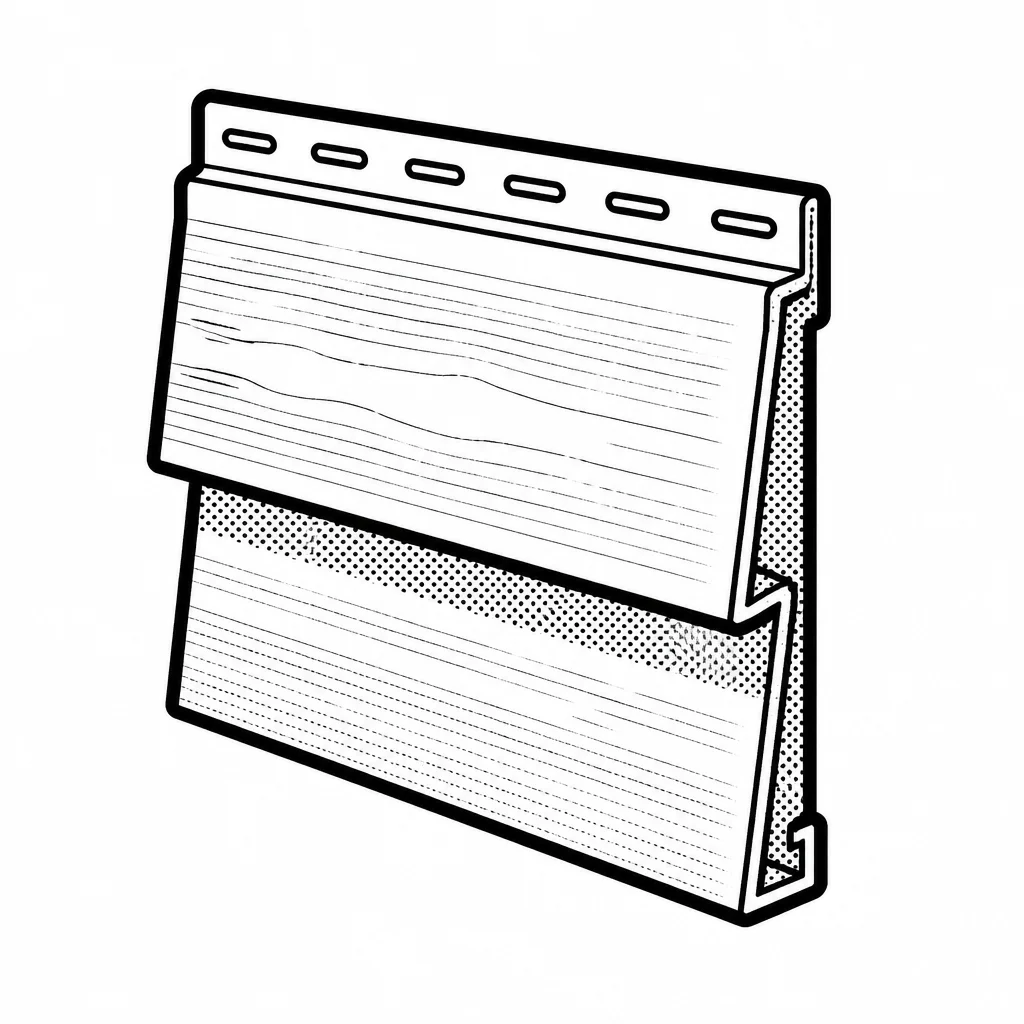
The business runs on a simple pitch: cheaper than brick or stone, tougher than vinyl or wood. That has made Hardie the biggest siding brand in North America, where it earns the large majority of its money. It also sells trim and decking, and it has operations in Australia and Europe, but the American housing market is the engine. When Americans build and renovate homes, Hardie sells more siding. The company is legally Irish, but its heart is American — and its history is Australian, where it started in 1888 selling asbestos products, a legacy that produced a long and costly compensation scandal. Today it is betting heavily on a big shift: in 2025 it agreed to buy AZEK, a maker of composite decking and trim, for roughly $8.8 billion, aiming to sell builders a fuller package of the outside of a house in one stop.
That deal matters because Hardie's own growth has slowed with a soft housing market, and it is paying a hefty price to buy its way into a newer, faster-growing material. The bet is that one company selling siding, trim, and decking together wins more of each builder's order. The risk is the same one every housing supplier faces: when mortgages get expensive and people stop building, the siding pile sits in the warehouse.
Saved answer · last researched 12 Nov 2026