Understand any stock in simple English
Enter a ticker to learn what the company does and how it makes money.
Frasers Centrepoint Trust
Frasers Centrepoint Trust owns suburban shopping malls in Singapore and collects rent from the retailers who operate inside them.
Frasers Centrepoint Trust is a real estate investment trust, which is a simple idea dressed in a fancy name: it owns buildings, rents them out, and hands most of the rent to its investors. Its buildings are mostly suburban shopping malls across Singapore — places where people go to buy groceries, eat lunch, get a haircut, and pick up medicine, rather than destination malls that tourists visit. It also owns one office property. The people who pay it are the retailers and businesses that lease space inside those buildings, and the money they pay is rent.
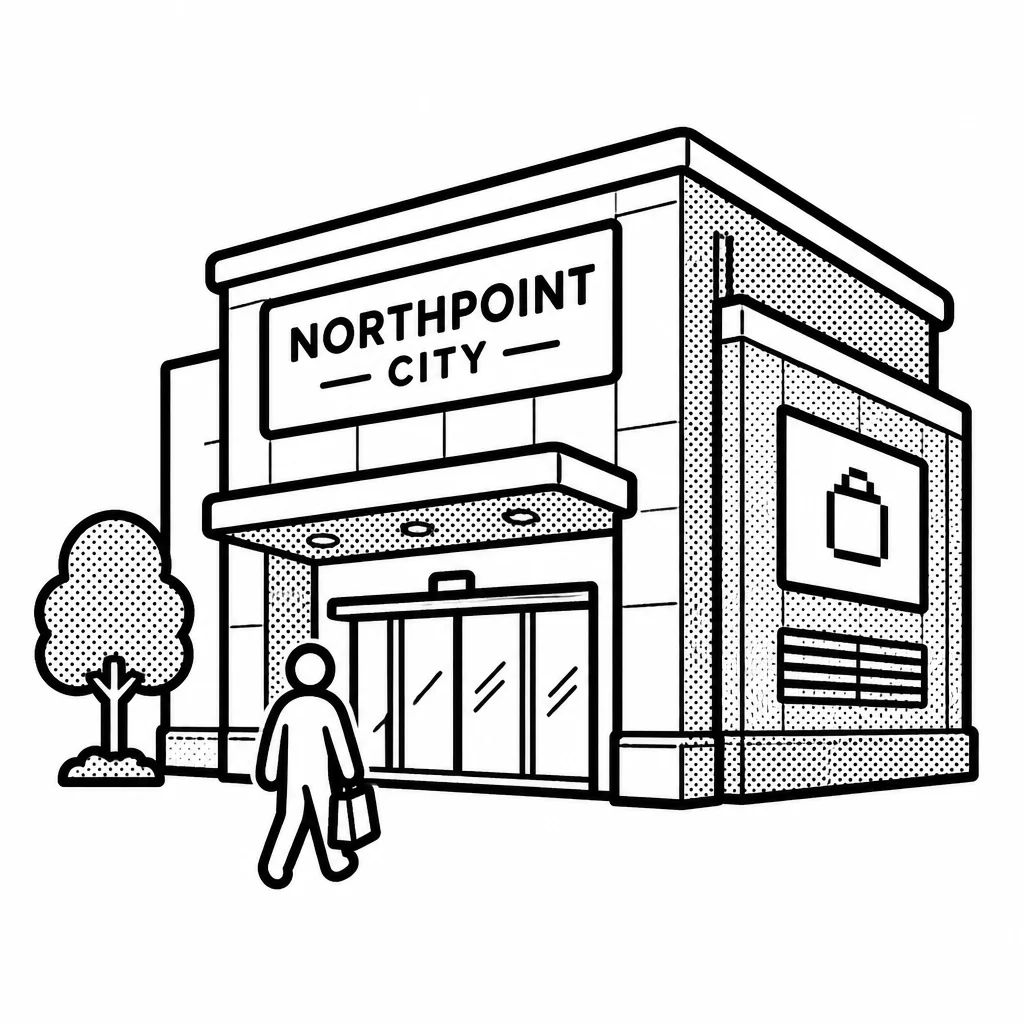
REITs exist because most people cannot buy a shopping mall, but almost anyone can buy a small slice of one through shares. In exchange for a tax break, a Singapore REIT must pay out most of its taxable income to unitholders as dividends, which is why investors treat these trusts more like income-producing assets than like growth stocks. Frasers Centrepoint Trust's malls tend to be anchored by essentials — supermarkets, pharmacies, food courts — because daily-needs shopping holds up better than discretionary shopping when the economy slows. The mall business is harder than it looks. A landlord has to keep the property attractive so shoppers keep coming, then convince retailers that the foot traffic is worth the rent. When a tenant goes bust, the landlord loses that income and has to find a replacement, sometimes after months of empty space. Competition comes from other mall owners, and increasingly from online shopping, which is why suburban malls built around groceries and services have held up better than ones built around clothing and electronics. The trust is managed by a subsidiary of Frasers Property, the Singapore-listed property group, which earns fees for running the portfolio. Being sponsored by a big developer helps: the trust gets a pipeline of assets to buy, and the developer gets a ready buyer. The catch is that investors should watch those fees and any related-party deals closely.
For investors, the key things to watch are occupancy — how much of the space is actually rented — and rental reversion, which is whether new leases are signed at higher rents than the old ones. A trust with steady occupancy, rising rents, and malls full of grocery stores and clinics is doing exactly what it promises. One that relies on specialty retail in a weak market is a different story.
Saved answer · last researched 12 Nov 2026