Understand any stock in simple English
Enter a ticker to learn what the company does and how it makes money.
Itaú Unibanco Holding S.A.
Itaú Unibanco is a giant Brazilian bank that takes deposits, lends money, and sells a wide range of financial products to people, businesses, and wealthy clients.
Itaú Unibanco is the biggest private bank in Brazil, and it makes money the way banks have for centuries: it takes in deposits, lends money out at a higher rate, and keeps the difference. But that's just the core. It also sells credit cards, insurance, asset management, and investment products, and it runs a large operation for wealthy families through its private banking arm. Its customers range from ordinary Brazilians opening a checking account to giant companies raising money in the capital markets.
The bank is the product of a 2008 merger between Banco Itaú and Unibanco, a deal that created a Brazilian banking giant almost overnight. The combined firm became large enough to compete head-on with the government-backed giants and foreign banks that dominate the country's financial system. Today it operates in Brazil and abroad, with a presence in markets across Latin America and in financial centers like New York and London, serving corporate and institutional clients who need cross-border banking. What makes a bank like this strong is scale and trust. Brazil's banking market is highly concentrated among a few big players, and that gives the leaders pricing power and a steady stream of fee income. Itaú's brand is one of the most recognized in Brazil, and its huge customer base means it can spread fixed costs—technology, branches, compliance—across millions of clients. The flip side is that banks are only as healthy as the economy they lend into. When Brazil's economy stumbles, borrowers struggle to repay, and loan losses rise.
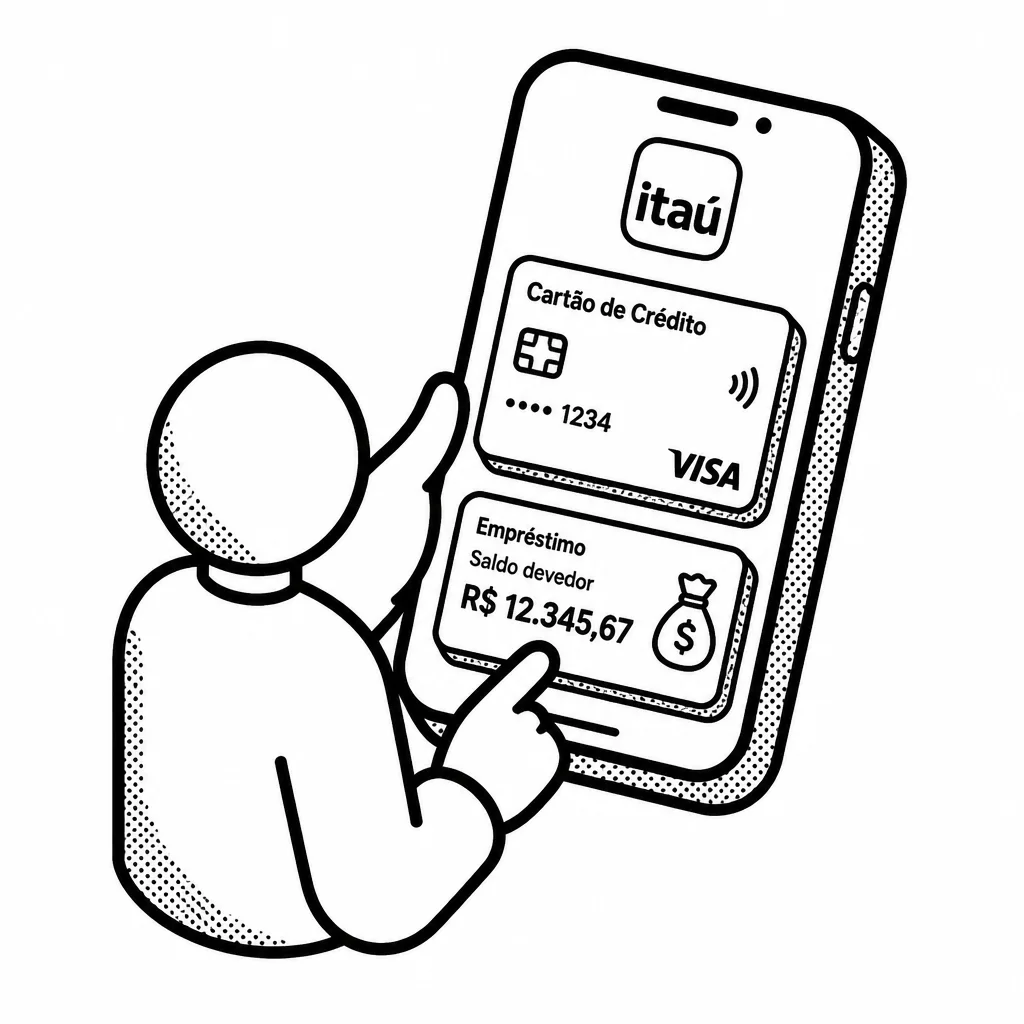
The bank throws off a lot of cash, and it returns much of it to shareholders through dividends and share buybacks, while also reinvesting in digital banking to keep up with fintech challengers like Nubank. Itaú has been pushing hard into mobile and online services to defend its turf, because younger Brazilians increasingly want to bank from their phones rather than visit a branch. That shift is both an opportunity and a threat: it lowers costs, but it also opens the door to nimble rivals with no legacy branch networks to carry.
Saved answer · last researched 14 Nov 2026