Understand any stock in simple English
Enter a ticker to learn what the company does and how it makes money.
PT Indosat Tbk
Indosat is an Indonesian phone and internet company that sells mobile plans, home broadband, and technology services to consumers and businesses.
Indosat is one of Indonesia's big phone companies. It sells mobile plans, phone credit, and internet data to tens of millions of ordinary people, and it also runs fiber internet and tech services for homes, offices, and big companies. If you live in Indonesia, it's one of the main names on the SIM card in your phone.
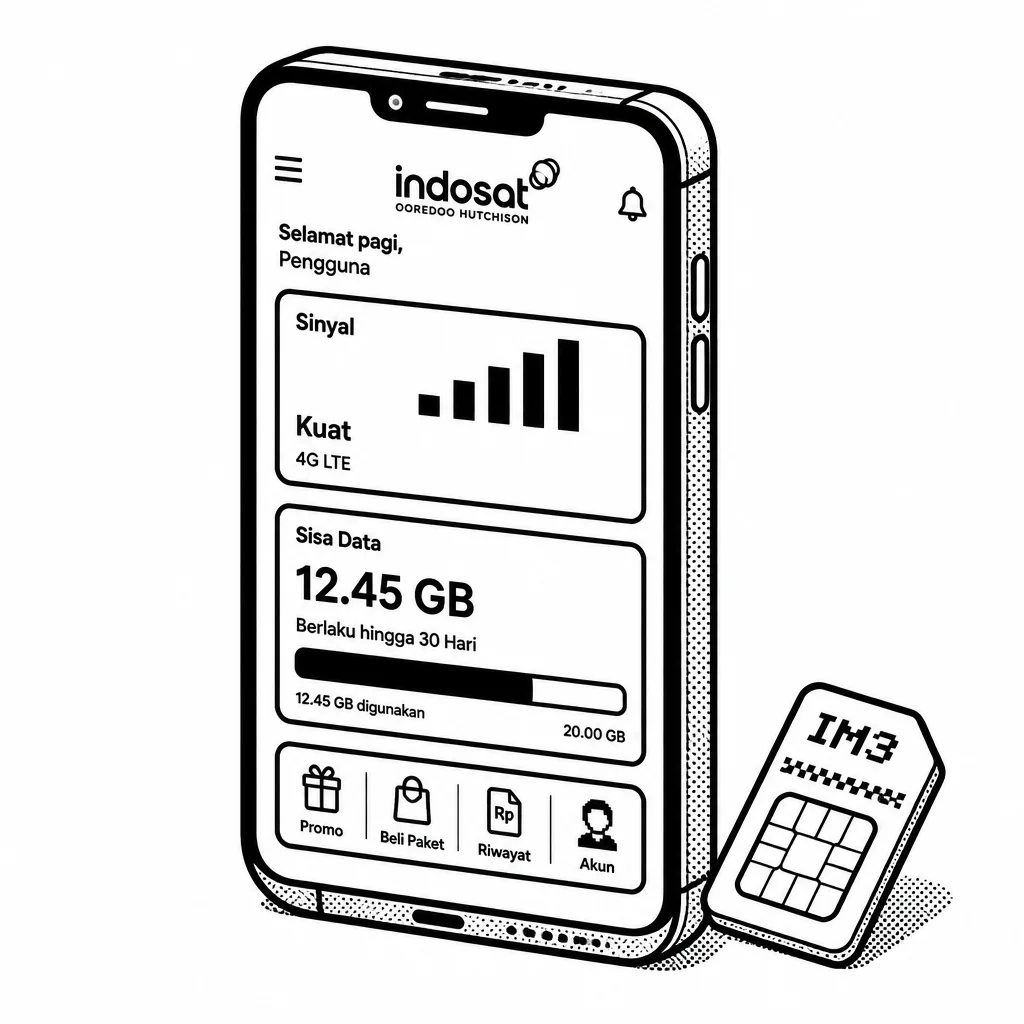
The business is simple at its core: customers pay for connectivity. Most people buy prepaid credit or data packages, which means they top up whenever they need more — so the company is constantly competing to keep them refilling and not switching to a rival. Indosat also sells monthly postpaid plans, home internet, and more complex services like private networks, cloud, and data centers for corporate clients. The corporate side is smaller but growing, and it's where the company pitches itself as more than just a phone network — a "convergence" provider bundling connectivity with IT. Its main competitors are the other big Indonesian carriers, especially Telkom Indonesia and XL Axiata. Indonesian mobile prices are cheap and competition is fierce, which keeps pressure on profits. A major turning point came in 2022, when Indosat merged with Hutchison 3 Indonesia, creating a much larger company backed by the Indonesian government and CK Hutchison. The merger gave it more scale, more spectrum, and a bigger customer base to spread costs across — the classic telecom playbook.
Telecoms are capital-hungry: the company spends heavily on towers, spectrum, and network gear, then tries to earn that back through subscriptions and data usage. Its main vulnerabilities are price wars, heavy investment needs, and regulation from the Indonesian government, which owns a significant stake. The upside is scale and the steady, recurring nature of phone bills — people keep paying every month, and data use keeps climbing.
Saved answer · last researched 12 Nov 2026