Understand any stock in simple English
Enter a ticker to learn what the company does and how it makes money.
IRPC Public Company Limited
IRPC runs a large oil refinery and petrochemical plants in Thailand, turning crude oil into fuels, lubricants, and the plastic-making chemicals that go into everyday products.
IRPC is an industrial company that takes crude oil and breaks it down into the things modern life runs on: fuel for cars and planes, lubricants, and the chemical building blocks that become plastic bottles, pipes, and packaging. It operates a big refinery and petrochemical complex on Thailand's eastern coast, and it sells most of its output to customers in Thailand and the wider region.
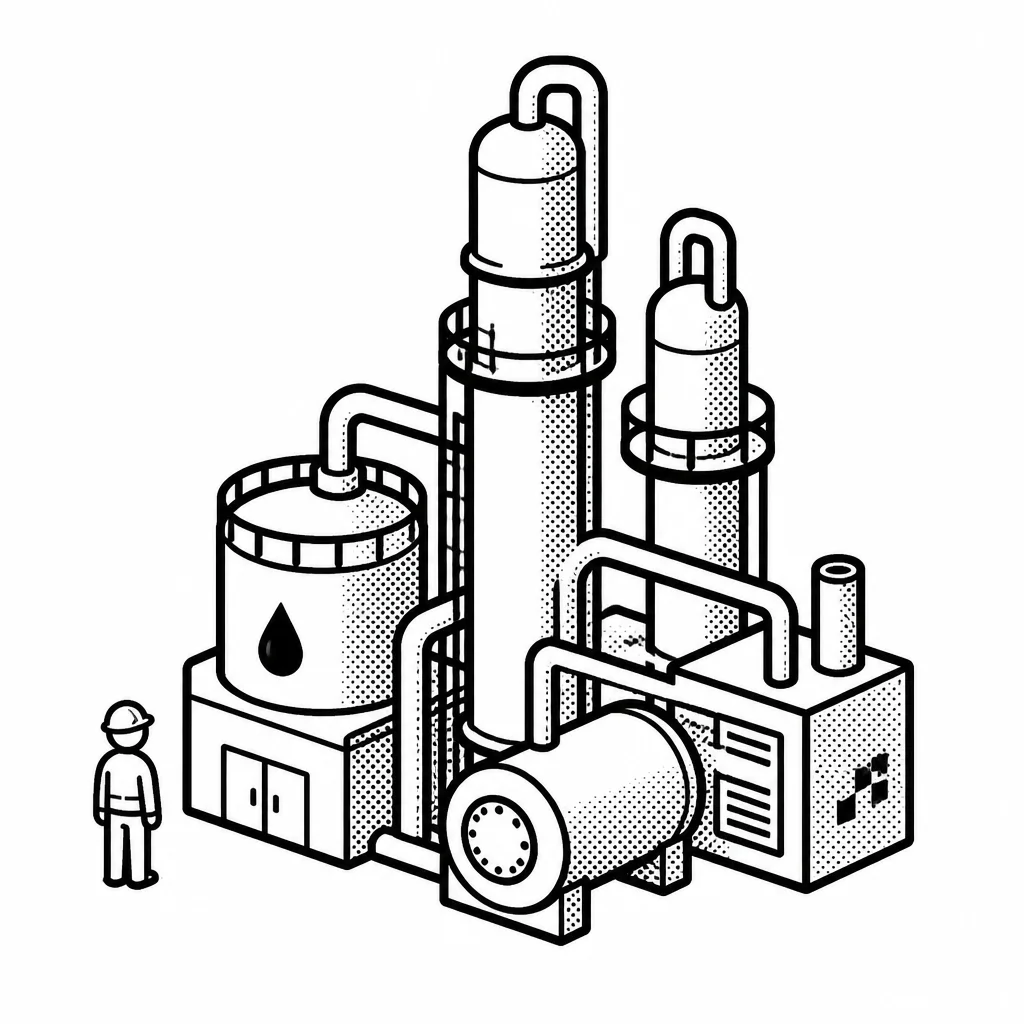
Here is the basic problem it solves. Crude oil is a messy mixture of different molecules, and almost nobody can use it straight out of the ground. A refinery sorts those molecules into useful streams — gasoline, diesel, jet fuel, and heavier oils — much like a kitchen separating ingredients before cooking. IRPC goes a step further than a plain refiner: it also runs olefins and aromatics plants that turn some of those streams into the raw chemicals that plastic makers buy. So it sits on both sides of the energy-and-materials world, selling fuel to drivers and fuel distributors while also selling petrochemical feedstock to factories. This is a tough, cyclical business. Margins depend heavily on the gap between what crude oil costs and what refined products sell for, and that gap swings with global supply, demand, and events far outside Thailand's control. When too much refining capacity exists worldwide, everyone earns less. IRPC also faces competition from other Thai and regional refiners and petrochemical producers, and its profits rise and fall with the oil cycle rather than with steady subscription-like revenue.
IRPC is part of the PTT group, Thailand's state-linked energy giant, which gives it backing and integration but also ties its fortunes to the broader oil and gas ecosystem. The company's challenge and its opportunity are the same thing: squeeze more value out of every barrel by running its complex efficiently and pushing further into higher-margin chemicals. When spreads are wide, the business throws off cash; when they collapse, the whole industry feels the pinch.
Saved answer · last researched 12 Nov 2026