Understand any stock in simple English
Enter a ticker to learn what the company does and how it makes money.
Indian Railway Finance Corporation Limited
It borrows money from investors and lends it to Indian Railways to buy trains and build railway infrastructure, earning the difference as profit.
Indian Railway Finance Corporation is the money-raising arm of Indian Railways. The government-owned railway system needs enormous amounts of cash to buy locomotives, coaches, wagons, and to build tracks and stations, but it can't simply write a check for all of it. So this company does the borrowing on the railway's behalf: it raises money from investors by issuing bonds and other debt, then lends that money to Indian Railways and other railway entities. The railway pays interest on those loans, and that interest is how this company makes its money.
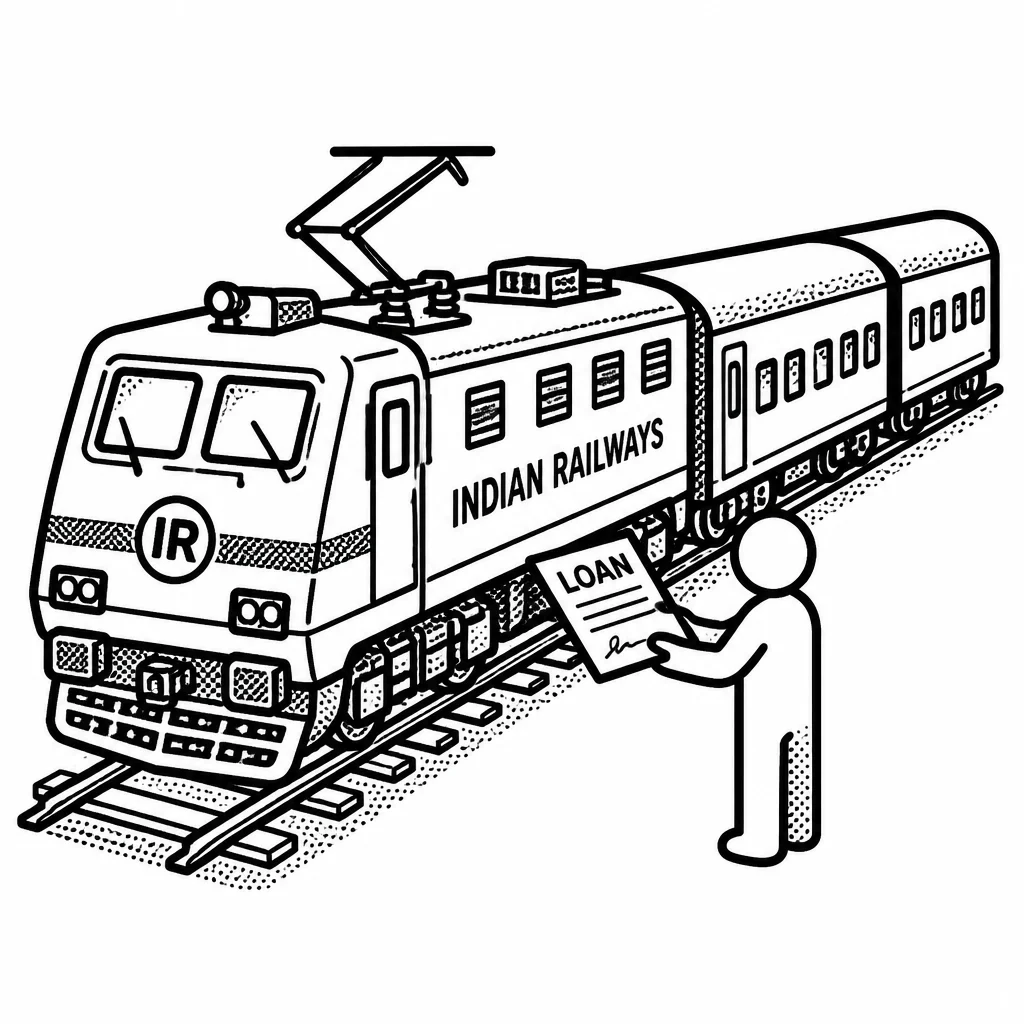
The business is essentially a spread lender. It borrows at one rate — say from bond investors — and lends at a slightly higher rate, pocketing the difference. That sounds thin, but the volumes are huge. The company's real edge is its balance sheet: because its loans are backed by the government's railway system, it can borrow cheaply, often through bonds that carry an implicit sovereign guarantee. Cheap funding plus a giant, reliable borrower equals steady, predictable profits. It is less exciting than a tech company and more like a very large, very safe toll booth on the flow of railway money. Its customers are almost entirely within the Indian Railways family — the railway itself and related entities that need financing for rolling stock and infrastructure. That concentration cuts both ways. On one hand, it means near-zero risk of the borrower disappearing; the government isn't going to stop needing trains. On the other hand, it means the company's fate is tied to the railway's spending plans and to government policy. If railway capital spending slows, so does the company's loan growth.
Investors treat it as a bond-like stock: steady earnings, a dividend, and low drama. The stock has been popular in India partly because of its government backing and its role in the country's railway build-out. The main things to watch are interest rates — since its whole game is borrowing cheap and lending slightly higher — and the railway's appetite for new trains and tracks. It's a simple business at heart: a giant piggy bank for the trains that carry India.
Saved answer · last researched 12 Nov 2026