Understand any stock in simple English
Enter a ticker to learn what the company does and how it makes money.
Infrastrutture Wireless Italiane S.p.A.
Inwit owns and rents out the towers and antennas that mobile phone operators and other wireless companies need to transmit their signals across Italy.
Inwit is a landlord for the invisible plumbing of the mobile phone network. The company owns thousands of towers and rooftop antennas across Italy, and it rents space on them to mobile operators like Telecom Italia, Vodafone, and Iliad. A phone company needs antennas everywhere to give its customers signal, but building and maintaining those towers itself is expensive and slow. Inwit does it for them, and each operator pays rent to put its equipment on the same mast — a model that turns one tower into a revenue stream from several tenants at once.
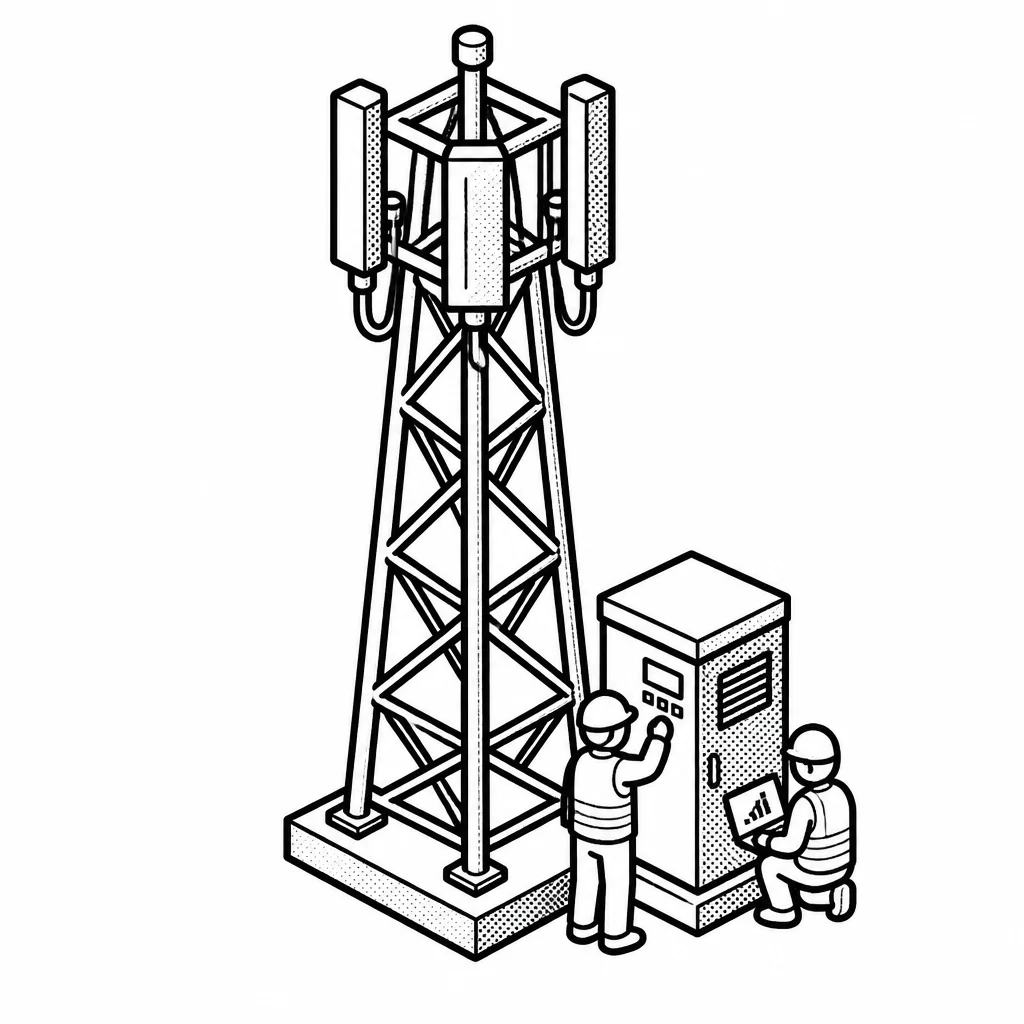
The trick that makes this such a good business is sharing. A single tower can host several operators' gear, so Inwit collects rent multiple times over from a cost it only pays once. That is why tower companies have famously fat profit margins and steady, predictable cash flow — customers sign long leases, and ripping out your antennas to move to a rival's tower is a hassle nobody wants. Beyond the classic towers, Inwit also builds "small cells" and distributed antenna systems, which are the low-power antennas that boost signal inside train stations, shopping centers, stadiums, and other crowded places where a big tower can't quite reach. Inwit started life inside Telecom Italia, which spun it out and listed it on the Milan stock exchange in 2015. The big turning point came in 2020, when it merged with Vodafone's Italian tower business, roughly doubling in size and adding Vodafone as a major shareholder alongside Telecom Italia. The Italian state lender Cassa Depositi e Prestiti is also a significant owner, which matters in a country where telecom infrastructure is treated as a strategic asset. Scale is the whole game here: the more towers and the more tenants per tower, the more rent falls straight to the bottom line.
The business throws off a lot of cash, and Inwit uses it to pay dividends and chip away at the debt it took on to grow. The main risk is concentration and maturity: Italy's mobile market is small and already served by a handful of operators, so Inwit's growth depends on those few customers staying put and on new demand from 5G and the internet of things. There is also the looming question of consolidation in Italian telecom, since any merger among its tenants could change who rents what. Still, as long as people want signal on their phones, someone has to own the towers — and Inwit is happy to be that someone.
Saved answer · last researched 12 Nov 2026