Understand any stock in simple English
Enter a ticker to learn what the company does and how it makes money.
Incyte Corporation
Incyte is a biopharmaceutical company that discovers, develops, and sells medicines for blood disorders, cancer, and autoimmune diseases.
Incyte is a biopharmaceutical company that makes medicines for people with blood disorders, cancer, and immune-related diseases. Its most important product is Jakafi, a pill that treats a rare group of blood cancers called myelofibrosis, where the bone marrow builds up scar tissue and the body struggles to make healthy blood cells. Jakafi was the first drug approved for that disease, and it remains the company's cash engine.
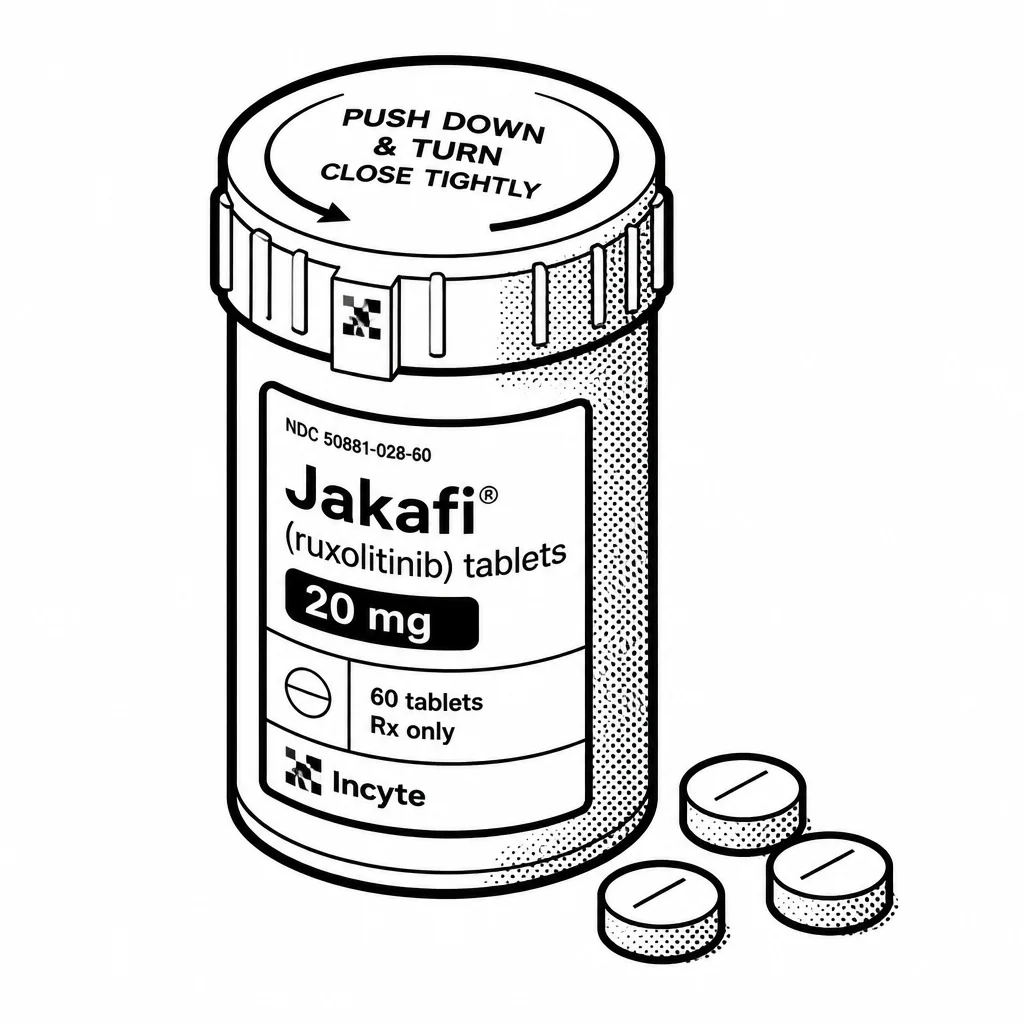
Jakafi works by blocking a pair of enzymes called JAK1 and JAK2 that drive inflammation and abnormal blood cell production. Incyte also sells a skin cream version of the same drug, called Opzelura, for eczema and vitiligo, and it earns money by licensing its medicines to partners outside the United States who sell them abroad. On top of that, Incyte has a growing cancer portfolio, including a drug for a type of bile duct cancer now sold under the brand name Pemazyre, and it earns royalties when partners like Novartis commercialize its discoveries. The big vulnerability is plain: Jakafi is losing patent protection. Cheaper generic copies are expected to hit the market in the coming years, and that is the central worry for investors. Incyte is racing to build new drugs before the old one fades. It spends heavily on research and development, roughly a quarter of its revenue in recent years, and it has acquired other companies to refill its pipeline.
Incyte is headquartered in Wilmington, Delaware. The founder story is unusually personal: Roy Vagelos, a former Merck chief executive, helped start the company in 1991, and his son-in-law ran it for years. The company became profitable and has bought back shares in recent periods, but the real test ahead is whether new medicines can replace the revenue that Jakafi will eventually lose.
Saved answer · last researched 12 Nov 2026