Understand any stock in simple English
Enter a ticker to learn what the company does and how it makes money.
PT Vale Indonesia Tbk
Vale Indonesia mines and processes nickel in Indonesia, selling it to buyers at home and around the world.
Vale Indonesia is a nickel miner. It digs nickel ore out of the ground in Indonesia and turns it into a usable product that steelmakers and battery makers buy. Nickel is the key ingredient that makes stainless steel strong and rust-proof, and it is increasingly used in the batteries that power electric cars.
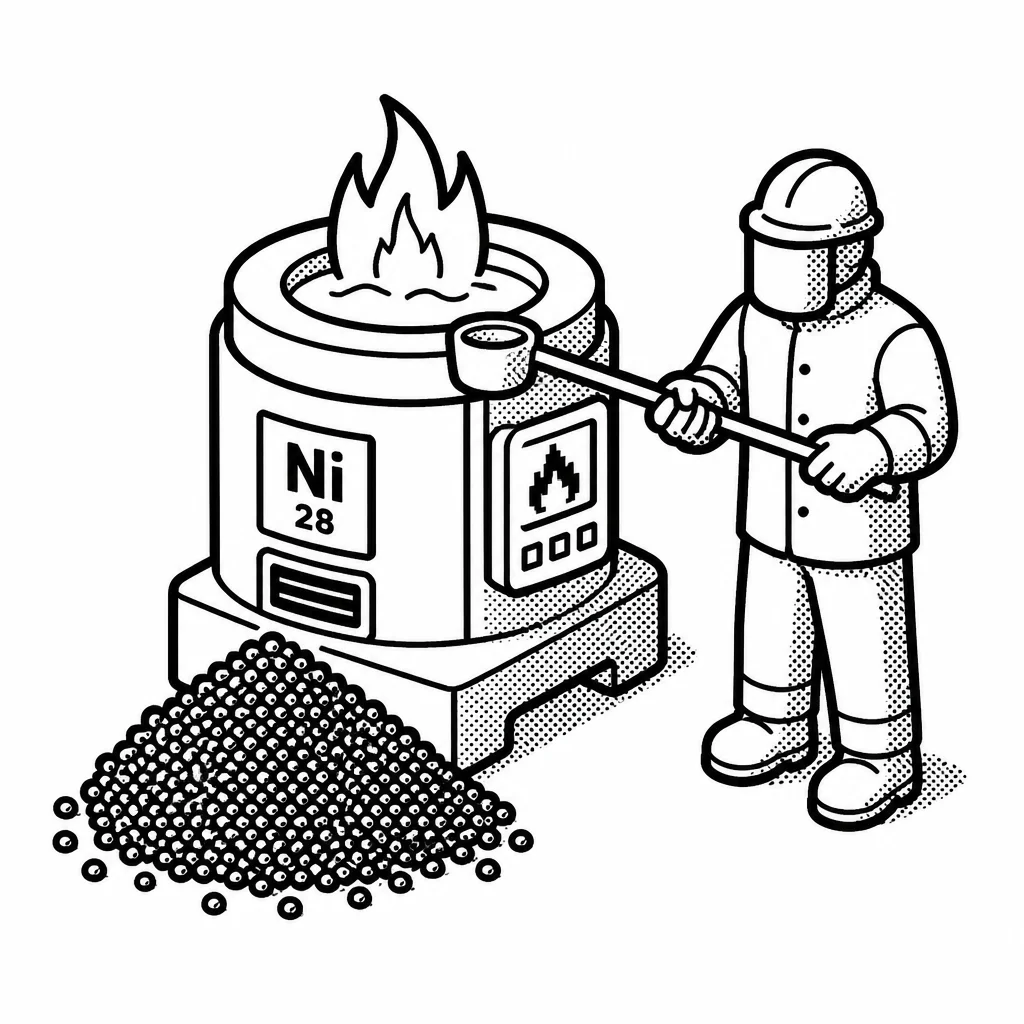
The company operates in a few spots on the Indonesian island of Sulawesi, where it runs open-pit mines and processing plants. Its main product is called nickel matte, a partly refined form of nickel that smelters and refiners can turn into pure metal or battery-grade chemicals. Most of its output has historically gone to Japan and other export markets, though more is now being sold or further processed inside Indonesia as the country pushes to build a domestic battery industry. Indonesia sits on some of the world's largest nickel reserves, and the government has tightened control over the sector, banning raw ore exports and pushing miners to build smelters and processing plants on Indonesian soil. That policy reshaped the industry: Indonesia now supplies a huge share of the world's nickel, and prices and profits swing with global demand and with how fast new supply comes online. Vale Indonesia's edge is its long operating history and its ore quality, but it faces rising competition from newer Indonesian producers and pressure to keep investing in cleaner, more processing-heavy operations.
The ownership is unusual and worth knowing. A big slice of the company belongs to Vale, the Brazilian mining giant, while Indonesian state miner Mind Id and other local holders own meaningful stakes. That mix of foreign mining expertise and Indonesian state influence shapes decisions about expansion and about how the country's nickel wealth is used. In short, Vale Indonesia is a pure play on one metal, in one country, in a market that governments and electric-vehicle makers now watch very closely.
Saved answer · last researched 12 Nov 2026