Understand any stock in simple English
Enter a ticker to learn what the company does and how it makes money.
Impala Platinum Holdings Limited
Impala Platinum mines, refines, and sells platinum group metals and base metals from South Africa, Zimbabwe, and Canada to customers around the world.
Impala Platinum is one of the world's biggest producers of platinum group metals — a family of rare metals that includes platinum, palladium, rhodium, and a few others. These metals are not household names, but they hide in plain sight: in the catalytic converters that clean car exhaust, in jewelry, in electronics, and in industrial equipment that has to survive brutal heat and chemicals. Impala digs the ore out of the ground, processes it at its own smelters and refineries, and sells the finished metals to buyers across the globe.
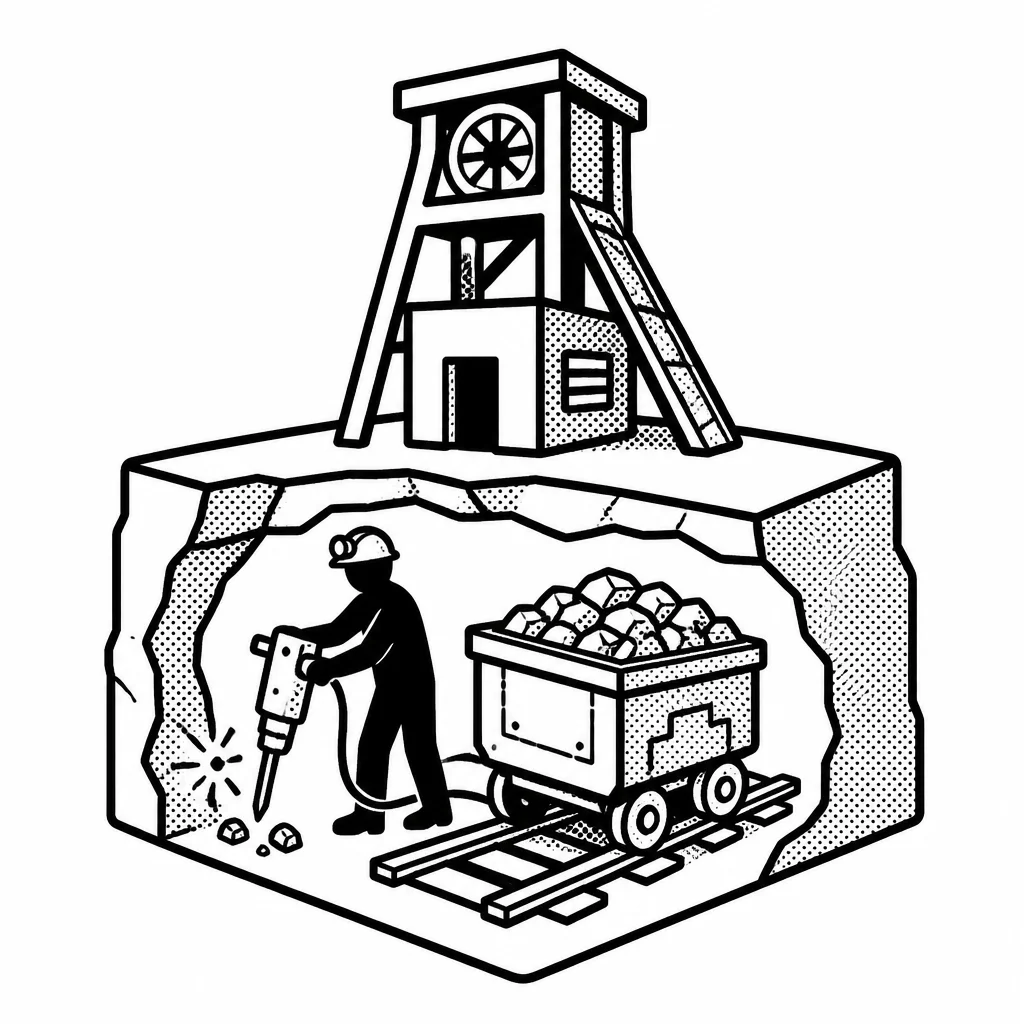
The business runs on a simple but unforgiving economics. Platinum group metals are incredibly scarce — found in only a handful of places on Earth — so prices are high and volatile. Impala's mines are deep, hot, and expensive to run, and much of the work is done by people drilling and blasting rock nearly two miles underground. The company's biggest cost is labor, and its biggest risk is the metal price. When platinum and rhodium prices are strong, Impala makes a lot of money. When they fall, the deep mines can lose money fast. South Africa is home to most of the world's platinum, and Impala's operations there sit alongside a handful of rivals like Anglo American Platinum and Sibanye-Stillwater, all digging from the same geological treasure chest called the Bushveld Complex. Impala also owns mines in Zimbabwe and Canada, which spreads its production across three countries. A big chunk of demand comes from carmakers, because catalytic converters need platinum and palladium to scrub pollution from exhaust. But that demand is shifting: electric cars don't need catalytic converters, and carmakers have been replacing some platinum with cheaper palladium and vice versa depending on prices. Rhodium, a byproduct, has at times been astonishingly valuable — it once traded for more than ten times the price of gold — which can swing Impala's profits wildly.
The company spends heavily just to keep its mines running, sinking money into shafts and equipment, and it pays dividends when cash allows. It has also had to navigate South Africa's power troubles, labor disputes, and the safety risks that come with deep mining. Impala is, in short, a company that turns ancient rock into metals the modern world quietly depends on — and its fortunes rise and fall with prices most people never notice.
Saved answer · last researched 12 Nov 2026