Understand any stock in simple English
Enter a ticker to learn what the company does and how it makes money.
Imperial Oil Limited
Imperial Oil finds, produces, refines, and sells oil, natural gas, and petrochemicals, mostly in Canada.
Imperial Oil is one of Canada's biggest integrated oil companies, meaning it does the whole chain: it pulls crude oil and natural gas out of the ground, turns that crude into gasoline and diesel at refineries, and sells the finished fuels through a network of gas stations and to businesses. Most Canadians know it through the Esso brand at the pump, and through the convenience stores attached to those stations.
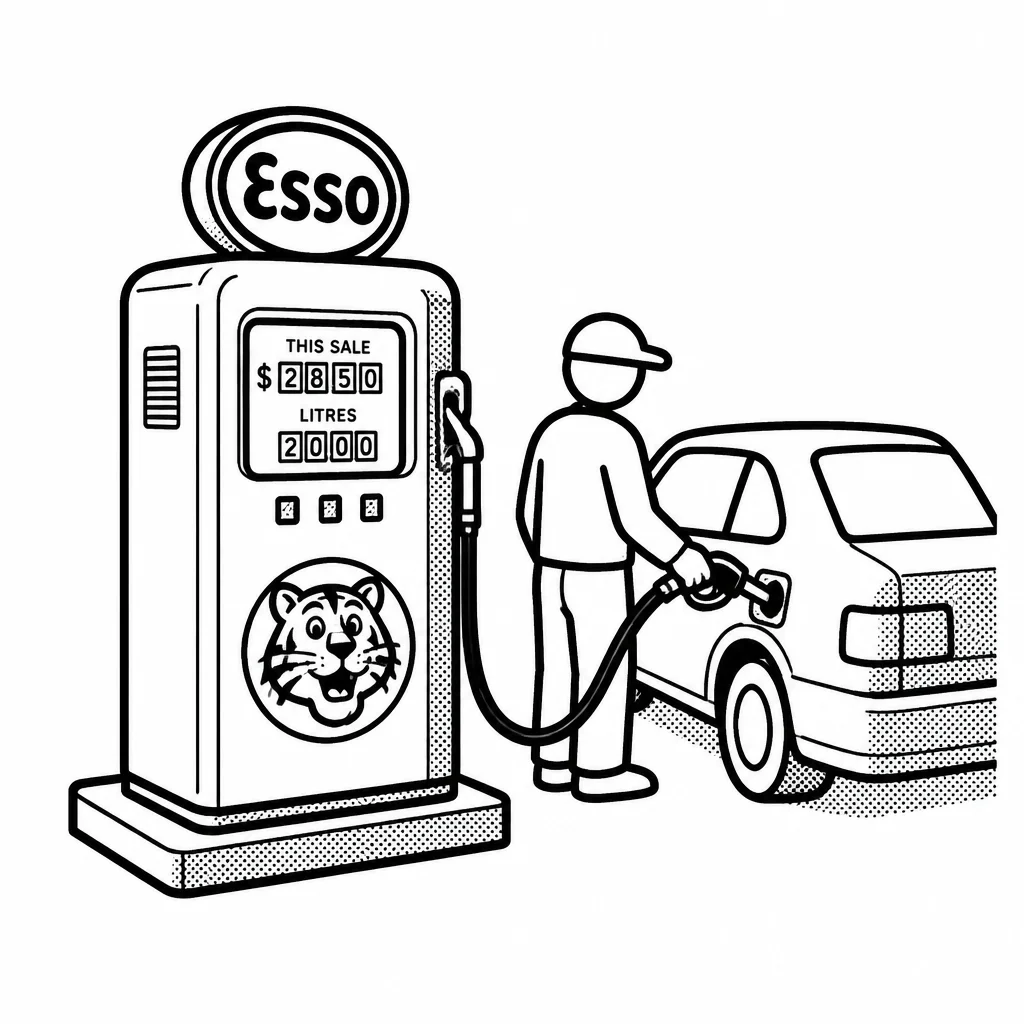
The company is majority-owned by Exxon Mobil, which holds roughly 70% of the shares. That connection matters: Imperial runs as a separately listed Canadian company, but it leans on Exxon's technology and scale, and its fortunes are tied to the same global oil prices. On the upstream side, Imperial is one of the largest producers in the oil sands around Fort McMurray, Alberta, where it operates mines and in-situ projects that cook heavy bitumen into usable crude. It also has conventional oil and gas operations and a stake in the prolific Hebron field off Newfoundland. Downstream, Imperial's refineries turn that crude into products sold across Canada. It sells fuel to drivers, to airlines, and to industries that need diesel, asphalt, and lubricants. Its chemical arm makes petrochemicals like polyethylene, the plastic used in packaging and pipes, from a complex in Sarnia, Ontario. The logic of owning both ends is that when oil prices fall and refining margins rise, the two halves can offset each other, smoothing the ride.
Oil companies like this are cyclical and capital-hungry. Imperial spends heavily on maintaining and expanding its oil sands operations and its refineries, then returns much of what's left to shareholders through dividends and share buybacks. It has also invested in lowering the carbon emissions of its operations, including a large renewable power deal to supply its oil sands sites with electricity, an effort to stay competitive as Canada tightens climate rules. The business is simple at heart: it sells the energy a country runs on, and its profits rise and fall with the price of a barrel and the strength of the Canadian economy.
Saved answer · last researched 12 Nov 2026