Understand any stock in simple English
Enter a ticker to learn what the company does and how it makes money.
IMI plc
IMI makes valves, actuators and other parts that control the flow of liquids, gases and heat in factories, power plants and buildings.
IMI makes the small, unglamorous parts that keep big things running. Its valves, actuators and fluid-control gadgets sit inside power plants, chemical factories, food-processing lines and the heating and cooling systems of large buildings, doing the quiet job of starting, stopping and steering the flow of liquids, gases and heat. Nobody walks past an IMI valve and says "wow," but when one fails, a refinery or a hospital heating system can grind to a halt.
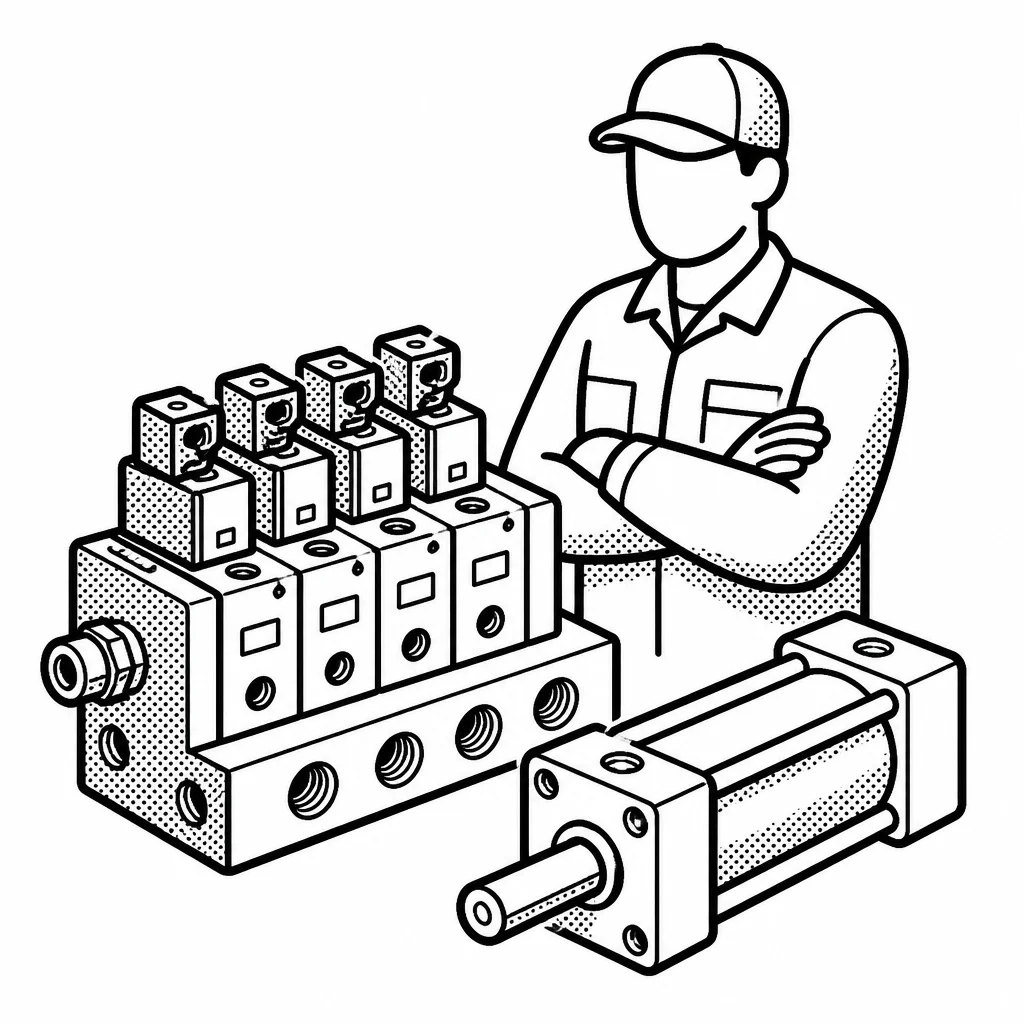
The company runs three main businesses. IMI Critical Engineering makes heavy-duty valves and controls for harsh places like oil and gas fields, power stations and chemical plants. IMI Precision Engineering builds small, precise pneumatic and motion-control parts used in factory automation, medical devices, commercial vehicles and rail. And IMI Hydronic Engineering makes the valves and controls that balance heating and cooling systems in large buildings, so offices and apartment blocks stay comfortable without wasting energy. These are separate customer bases, but they all rest on the same skill: making hardware that moves fluids reliably and precisely. Customers pay IMI for reliability and engineering know-how rather than for a cheap commodity. A badly chosen valve can leak, seize up or fail in a plant where downtime costs millions, so buyers care about proven performance, certifications and service. That gives IMI some pricing power and sticky relationships, though it competes with large global players and faces pressure from cheaper rivals in some markets. The business also leans on industrial spending cycles — when factories and energy projects slow down, orders soften.
IMI is headquartered in Birmingham, England, and its shares trade on the London Stock Exchange. It has spent recent years trimming its portfolio and focusing on higher-margin, higher-tech fluid and motion control, while returning cash to shareholders through dividends and buybacks. The core bet is simple: as the world automates factories and tries to make buildings and industrial processes more energy-efficient, someone has to make the precise little parts that control the flow — and IMI wants to be that someone.
Saved answer · last researched 16 Nov 2026