Understand any stock in simple English
Enter a ticker to learn what the company does and how it makes money.
Illumina, Inc.
Illumina makes the machines and chemical kits that read DNA, helping labs turn tiny biological samples into usable genetic data.
Illumina is the company that made reading DNA a routine industrial process. Its machines, called sequencers, take a sample of genetic material and translate it into a long string of letters — the As, Cs, Gs, and Ts that spell out a genome. Hospitals use this to diagnose rare diseases and guide cancer treatment. Drug companies use it to develop new medicines. Research labs use it to study everything from human health to crops and microbes.
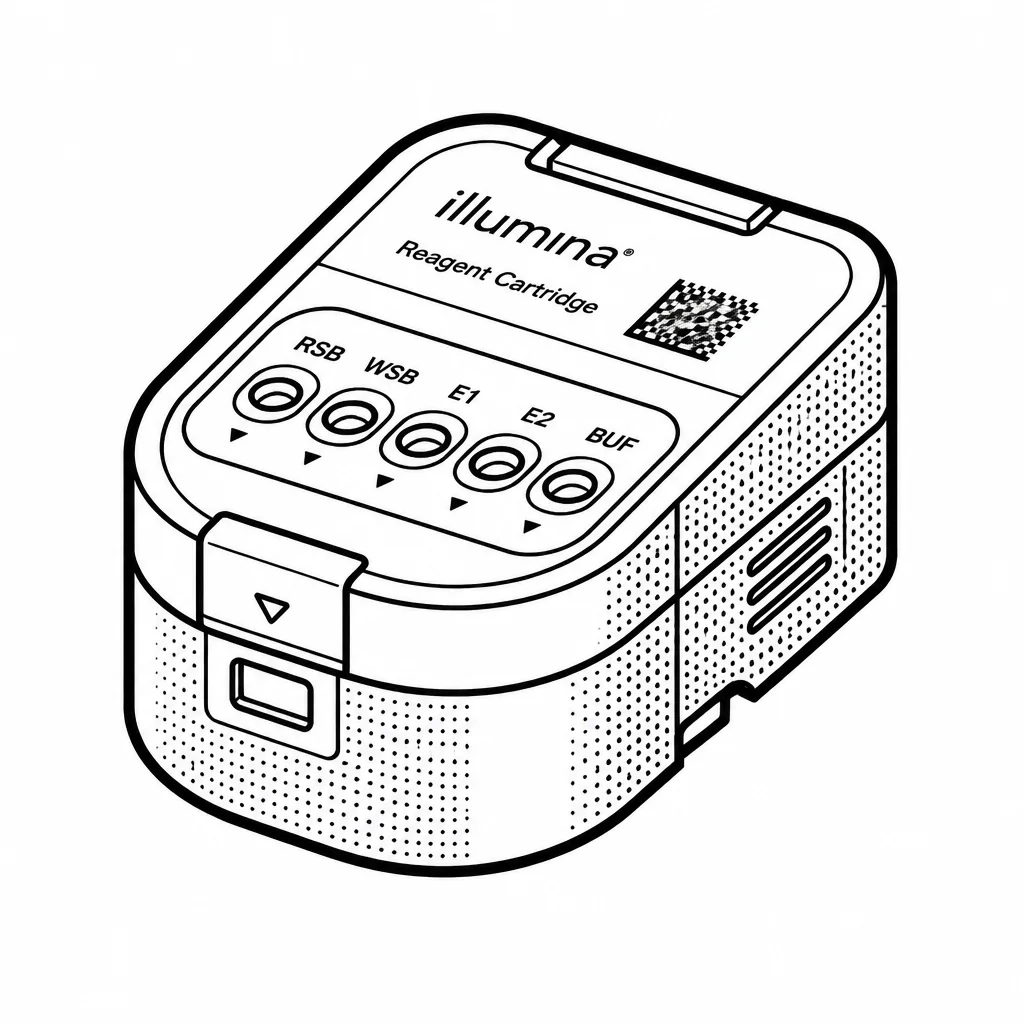
The business runs on a classic razor-and-blade model. Illumina sells the sequencer itself, often a big upfront purchase, and then sells the consumables — the chemical kits and reagents — that each test requires. Those consumables, along with service contracts, generate a large share of revenue and are far more predictable than instrument sales. Customers choose Illumina largely because of its installed base and the sheer scale of its technology: its short-read sequencing platforms have dominated the market for years, and the company has pushed the cost of reading a genome from millions of dollars down to hundreds. That dominance has not made life easy. Illumina bought cancer-testing company Grail for roughly $7 billion in 2021, a bet on early cancer detection, but regulators in the US and Europe forced it to divest the business, and it was spun back out in 2024. The company has also faced pressure from a faster, cheaper Chinese rival, BGI Genomics, and from activist investors unhappy with its spending and strategy. In 2023 and 2024 it cut costs, laid off staff, and replaced its CEO. On the product side, it is betting on a newer line of machines, the NovaSeq X, to refresh its installed base and keep labs buying its consumables.
Illumina's scale gives it a durable moat: once a lab builds its workflow around Illumina's machines and chemistry, switching is expensive and slow. But that same scale invites scrutiny. Its market power has drawn antitrust attention, and its dependence on instrument placements means a weak capital-spending year at hospitals and universities can dent results. The company's long-term bet is simple — that DNA sequencing keeps spreading from specialized labs into everyday medicine, and that when it does, most of that reading happens on Illumina machines.
Saved answer · last researched 12 Nov 2026