Understand any stock in simple English
Enter a ticker to learn what the company does and how it makes money.
Impact Healthcare REIT PLC
It owns care homes across the UK and rents them to care home operators, collecting rent that it pays out to shareholders as dividends.
Impact Healthcare REIT is a landlord, but a very specific kind: it owns the buildings where elderly people live and receive care, and it rents those buildings to the companies that actually run the care homes. The operators handle the residents, the staff, and the day-to-day work. Impact just owns the bricks and collects the rent. It is listed on the London Stock Exchange and focuses on the UK, where an aging population means demand for care beds keeps rising even when the economy wobbles.
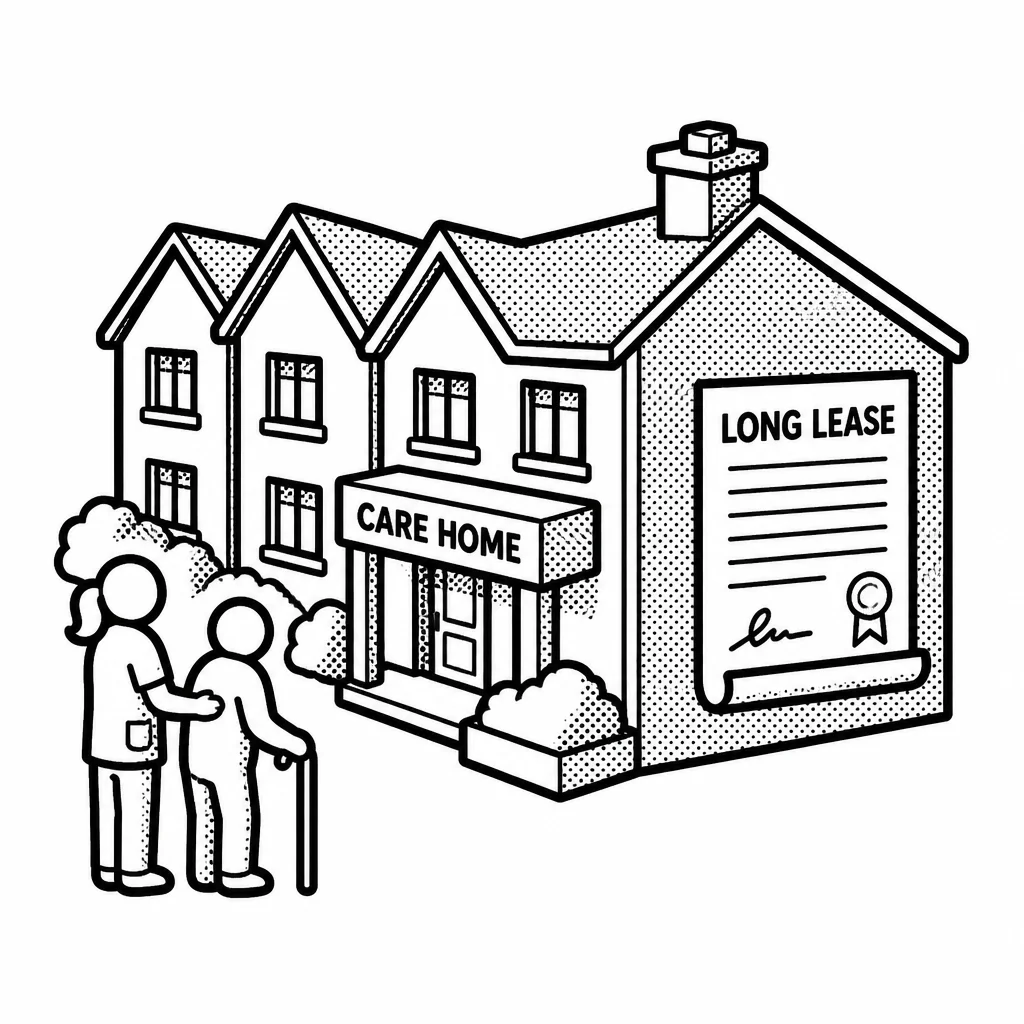
The business works like a simple triangle. Impact buys or builds a care home, signs a long lease with an established operator, and that operator pays rent every year. Because the leases are long and usually include annual rent increases linked to inflation, the income is steady and predictable. That steadiness is the whole point: Impact can then pay its shareholders a reliable dividend, which is what most of its investors are really there for. The tenants are established care home groups rather than fly-by-night newcomers, which reduces the risk of a rent cheque bouncing. There is real risk underneath the calm surface. Care homes are expensive to run, and operators are squeezed by staff shortages, rising wages, and tight government funding for social care. If an operator gets into trouble, the landlord can lose rent or have to find a new tenant. Impact tries to manage this by spreading its homes across many operators and regions so no single failure sinks the ship. Its main competitors are other healthcare property landlords and specialist investors chasing the same steady, inflation-linked income.
The company makes money purely from rent, and it grows by buying more care homes or improving the ones it owns. It also develops new homes, often with operators it already knows. That growth feeds the dividend, which is the number most shareholders watch. In short, Impact is a bet on something fairly boring and fairly reliable: Britain needs more care beds, someone has to own the buildings, and Impact collects the rent in between.
Saved answer · last researched 16 Nov 2026