Understand any stock in simple English
Enter a ticker to learn what the company does and how it makes money.
Hyprop Investments Limited
Hyprop owns and manages big shopping malls and mixed-use retail centres in South Africa and Eastern Europe, earning money mainly from rent paid by the shops that operate inside them.
Hyprop is a real estate company that builds its business around shopping centres — the big, busy malls where people go to buy groceries, clothes, and dinner, and where brands go because that's where the customers are. It owns a portfolio of dominant malls in South Africa and mixed-use retail precincts in Eastern Europe, and its job is to keep those centres full of the right tenants and full of shoppers. The tenants pay rent, and that rent is the engine of the whole thing.
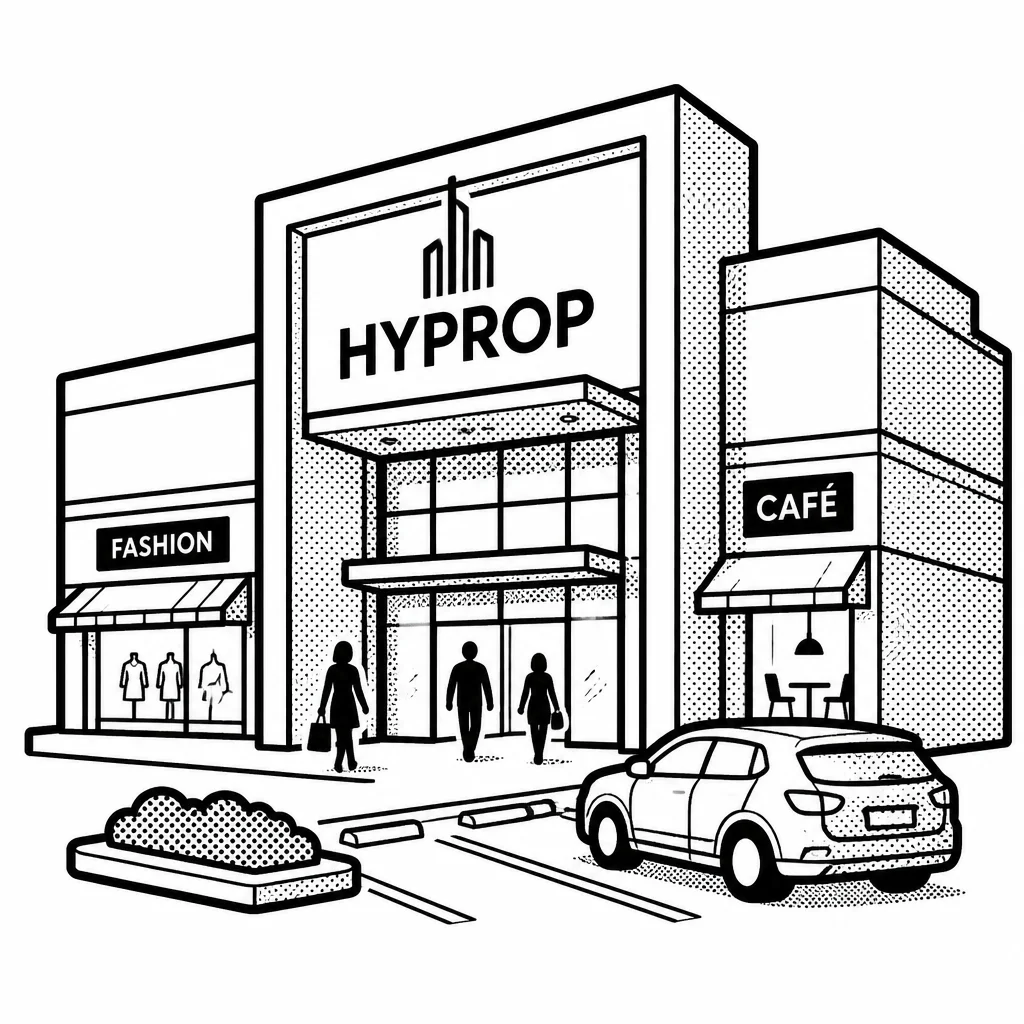
The logic of a mall owner is simple but demanding. You spend a lot of money upfront to own a large, well-located property, then you work hard to make it a place people actually want to visit. If shoppers keep coming, retailers compete for space and accept the rent. If the mall gets tired or a better centre opens nearby, tenants bargain for lower rent or leave — and the owner eats the loss. So Hyprop's real skill is curation: picking the right mix of stores, keeping the property attractive, and holding on to anchor tenants that pull in foot traffic. Its two markets behave quite differently. In South Africa, the malls serve a large, price-sensitive consumer base and the business is exposed to how confident households feel about spending. In Eastern Europe, the company owns retail destinations in cities where modern shopping space is still relatively scarce, which can mean stronger demand but also currency swings and economic shocks. Owning across both regions spreads the risk, but it doesn't make it disappear.
The honest way to see Hyprop is as a landlord with a big, expensive portfolio and a constant need to reinvest. Money it collects in rent gets plowed back into refurbishing centres, paying down debt, and funding dividends to shareholders — a model common among listed property companies. Its fortunes rise and fall with consumer spending and interest rates, because property is a debt-heavy business. When rates climb, borrowing costs bite; when shoppers tighten their belts, the rent rolls feel it too. That combination is what makes mall owners cyclical, and it's why the quality of the locations matters so much.
Saved answer · last researched 12 Nov 2026