Understand any stock in simple English
Enter a ticker to learn what the company does and how it makes money.
iShares iBoxx $ High Yield Corporate Bond ETF
It is an exchange-traded fund that holds a big basket of high-yield corporate bonds and lets ordinary investors buy a slice of that basket like a stock.
This fund is a simple wrapper around a messy corner of the bond market. It holds hundreds of bonds issued by companies that are not quite top-tier borrowers — the ones rating agencies call "junk" — and it lets anyone buy a piece of that whole pile through a single ticker on the NYSE Arca exchange. The fund is managed by iShares, the giant ETF arm of BlackRock, and it tracks an index built by IBoxx, so its job is basically to mirror the high-yield market rather than to pick winners.
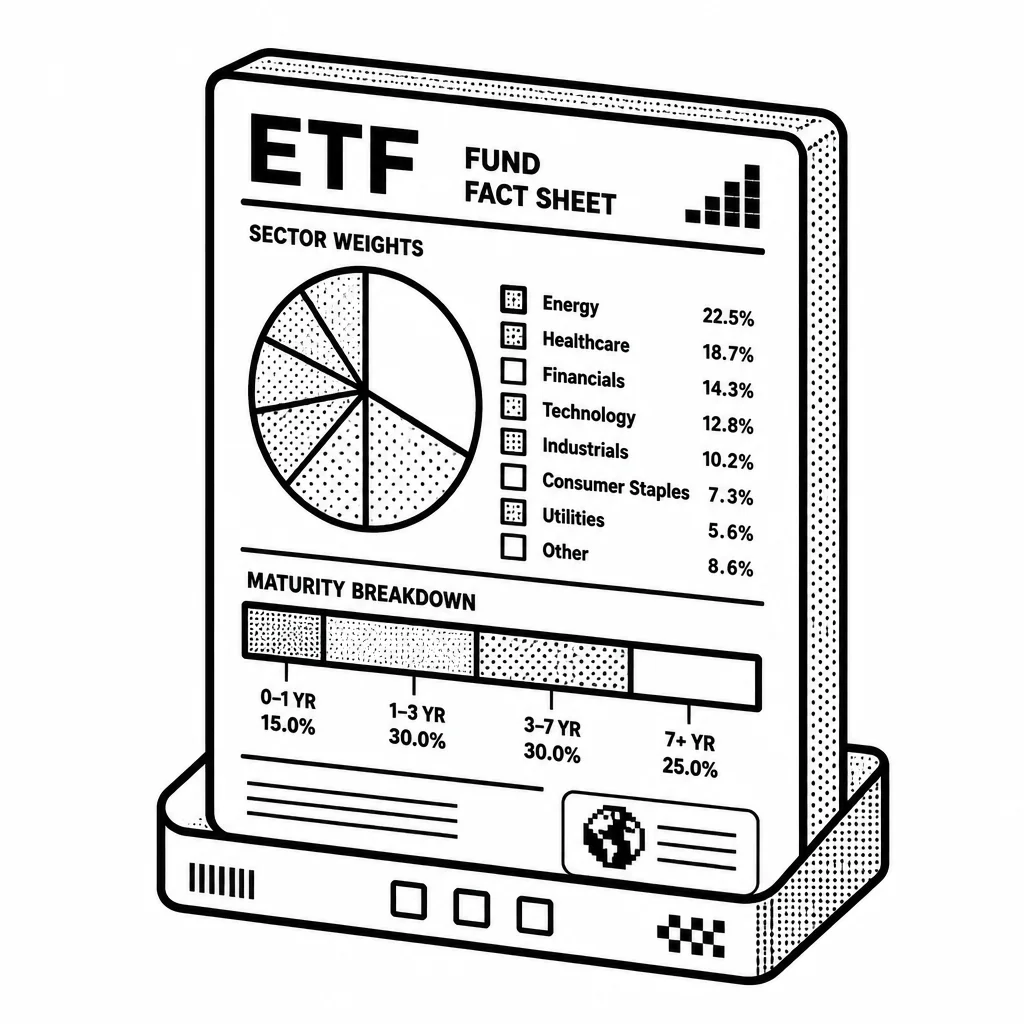
Here is the problem it solves. Big companies borrow money by selling bonds, and investors who buy those bonds get regular interest payments. But the safest bonds pay very little, so people who want more income have to lend to companies with weaker balance sheets — firms with lots of debt, shaky profits, or a habit of borrowing more. Those bonds pay more interest to compensate for the higher risk that the company might struggle to pay. Buying individual junk bonds is a pain: they trade in large chunks, they are hard to price, and one blowup can hurt badly. The fund bundles hundreds of them together, so one bad apple barely dents the basket. Investors use it mostly for income and diversification. The fund pays out the interest it collects as monthly distributions, which is why it appeals to retirees and anyone hunting for yield in a low-rate world. Because it trades like a stock all day, you can buy or sell it in seconds instead of calling a bond dealer. Its main cost is a modest annual expense ratio, and because it is enormous — one of the largest high-yield funds in the world — it trades with tight spreads and rarely strays far from the value of the bonds it holds.
The catch is embedded in the name. High-yield bonds are riskier than government or investment-grade debt, and they tend to fall hard when investors get scared or when a recession looms, because weaker companies are the first to struggle. The fund is also concentrated in energy and other cyclical sectors at times, so it can swing with commodity prices. It is a tool for collecting steady interest, not a safe place to park cash you might need next month.
Saved answer · last researched 15 Nov 2026
Timeline
BlackRock Launches a Junk-Bond Fund
In 2007, BlackRock launched a fund built to track an index of below-investment-grade corporate bonds, the kind of debt companies issue when lenders want extra interest for taking a risk. It was the first fund of its kind, letting ordinary investors buy and sell junk bonds on an exchange like a stock. Over time it grew into the biggest, most heavily traded high-yield bond fund in the world. The idea was simple, but it planted a question the fund would spend years answering: what happens when daily-traded shares sit on top of bonds that rarely trade?
The 2015 Junk-Bond Sell-Off
In 2015, collapsing oil prices hammered the high-yield bonds of energy companies, and the fund lost about 12 percent. That ugly number turned the fund into a symbol of a simple worry: its shares trade every day, but the bonds under them are hard to sell quickly. The sell-off got worse into early 2016 before it finally bottomed that February and bounced back.
The Fed Steps In During the Pandemic
Then came 2020. As the pandemic sent investors running from risk, the fund fell 22 percent in a few weeks. On the very day it hit bottom, the Federal Reserve announced a lending backstop for corporate bonds, and it soon stretched that help to high-yield bond funds. The rescue worked and steadied the market, though it left a lasting worry: investors now believe the Fed will catch them when junk bonds crash, and that belief can make them take bigger risks.
BlackRock Buys HPS
Meanwhile, the fund's owner was expanding beyond public markets. In mid-2025, BlackRock finished buying HPS Investment Partners to bulk up its private credit business, a bet that sat nicely next to the fund's public junk-bond offerings. The fund itself carried on with no major changes to its index or operations.
A Stretch of Easy Gains
By 2025 the mood had flipped completely. The fund returned roughly 9 percent, its third straight winning year, and the Fed's gauge of high-yield distress sank to its lowest level ever. Junk-bond issuers were living in unusually friendly conditions, and the fund stayed the go-to benchmark for the market, holding tens of billions in assets.
Spreads Widen in 2026
The easy stretch started to crack in 2026. Spreads, the extra interest junk issuers pay over safe government debt, climbed from about 308 basis points to roughly 340, and the fund fell about 4 percent. It was a small move, but it came after spreads had sat near historic lows for two years, and recession-risk signals were starting to blink.