Understand any stock in simple English
Enter a ticker to learn what the company does and how it makes money.
Howmet Aerospace Inc.
Howmet Aerospace makes the metal parts that hold airplanes and trucks together and keep them flying and rolling.
Howmet Aerospace builds the parts that go into airplanes and trucks — the engine pieces, the fasteners, the titanium and aluminum frames, and the huge forged aluminum wheels you see on semi trucks. It doesn't make a plane or sell anything to a passenger. It sells to the companies that build aircraft and the ones that build commercial trucks, and it makes its money by being one of the very few places those builders can get certain critical parts.
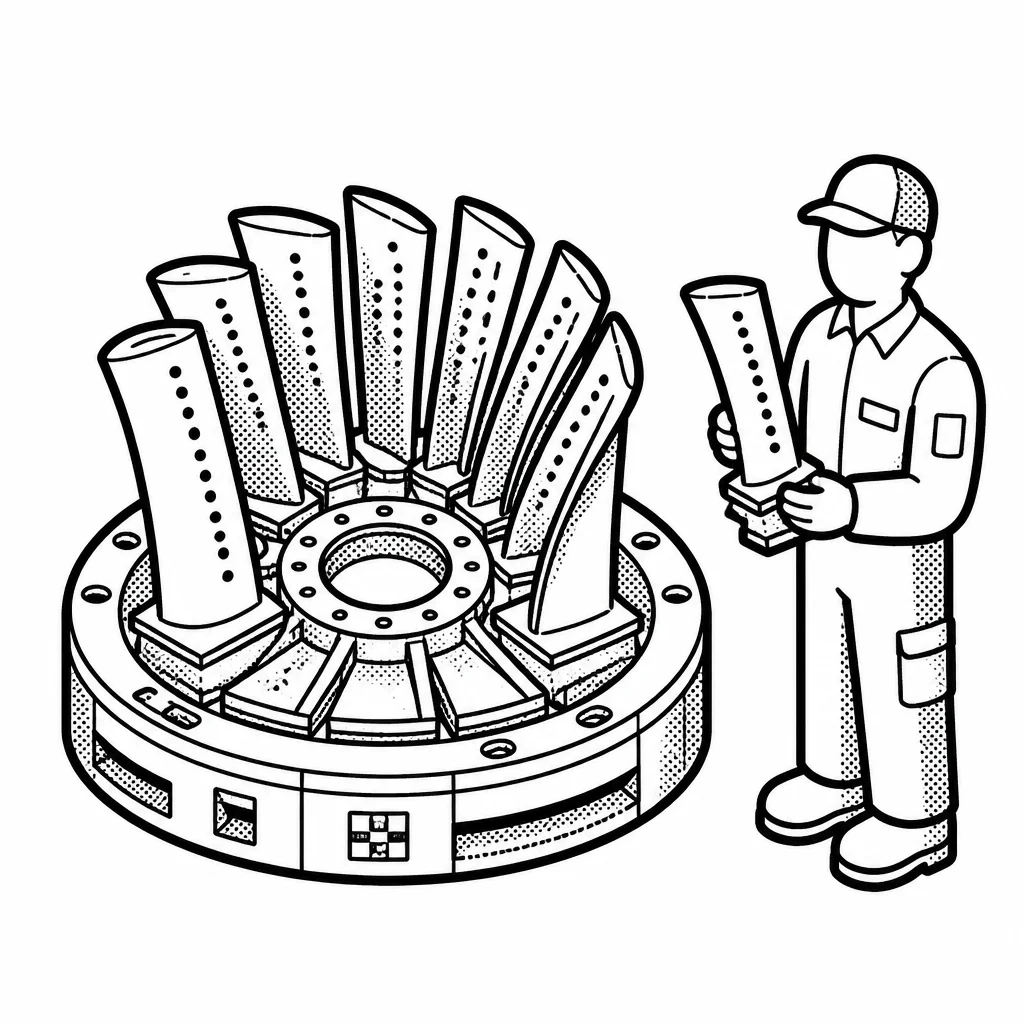
Start with the basic problem. A jet engine burns at temperatures that melt ordinary metal, so the turbine blades and discs need special alloys and very precise manufacturing. Howmet makes those parts, including the fasteners that hold the whole plane together — thousands of tiny, high-strength bolts and rivets. Because a failure here is catastrophic, customers care far more about reliability than about squeezing a few cents off the price. That gives Howmet two things investors love: steady demand and pricing power. It also sells forged aluminum wheels to truck makers and parts for the industrial gas turbine market. The business used to be part of Alcoa, the aluminum giant. It was spun off as a separate company in 2020, and since then management has focused tightly on aerospace, cutting costs and returning cash to shareholders through share buybacks and a dividend. The company's biggest customers are the aircraft makers and their engine suppliers, such as General Electric and RTX — the companies behind the engines and airframes that need Howmet's parts. Rival suppliers exist, but the barriers to entry are high because of the years of testing and certification any new part requires.
The real vulnerability is that Howmet rises and falls with airplane production. When airlines order planes, Howmet's factory floors hum; when Boeing or Airbus slows down, Howmet feels it. The recent years have been messy — supply chains strained and production schedules slipped — which is a risk the whole aerospace supply chain shares. Still, the company enjoys a durable moat: it is deeply embedded in its customers' designs and rarely gets swapped out, because switching a critical fastener or engine disc means costly re-certification. That quiet, unglamorous position is exactly why the parts business can be a very good business.
Saved answer · last researched 12 Nov 2026