Understand any stock in simple English
Enter a ticker to learn what the company does and how it makes money.
Haverty Furniture Companies, Inc.
Haverty Furniture sells sofas, beds, tables, and other home furniture and accessories to retail customers through its stores and website.
Havertys is a furniture store chain — the kind of place a family walks into on a Saturday to buy a new sofa, a bedroom set, or a dining table, and where a design consultant helps them pick fabrics and arrange delivery. It sells residential furniture and accessories directly to ordinary shoppers, mostly in the southern United States, where the brand has deep roots and strong name recognition. The company runs its own stores rather than franchising them, so it controls the shopping experience from the showroom floor to the delivery truck.
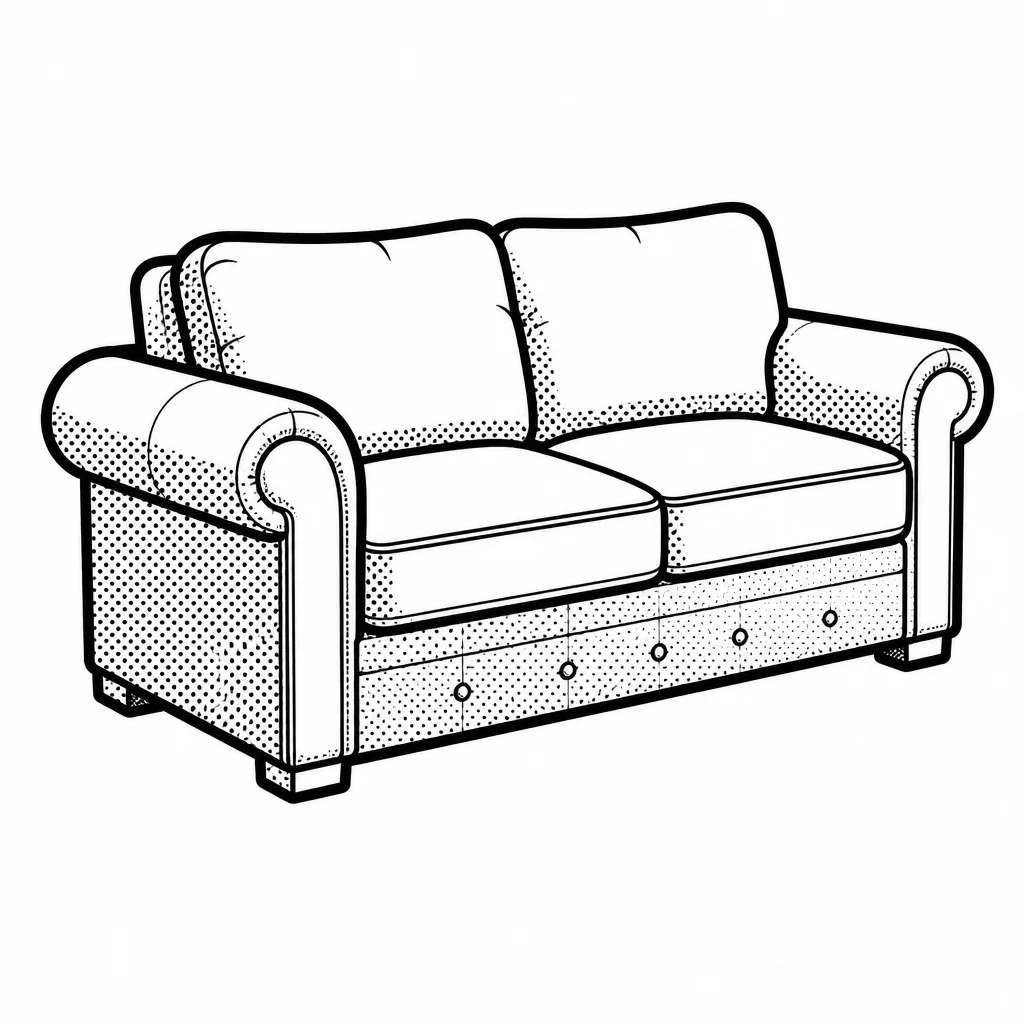
The money comes from selling furniture at a markup. Havertys buys sofas, mattresses, and tables from manufacturers, marks them up, and sells them to customers, often arranging financing and delivery along the way. Customers choose it partly because of the in-person design help and the ability to see and touch the furniture before buying — a real edge over pure online sellers — but that same physical footprint is also a burden, since stores, warehouses, and delivery crews are expensive to run, especially when shoppers pull back on big-ticket purchases during tough economic times.
Havertys is a small player next to giants like Wayfair and Amazon, so it competes on service and local trust rather than scale or price. The furniture business is notoriously cyclical: when housing slows or confidence dips, people put off buying a new couch. The company has been around since 1885 and is still run with a conservative balance sheet, paying a dividend and buying back shares with its cash rather than expanding aggressively. That steadiness is the point — it is a century-old retailer that survives downturns by owning its stores, keeping debt low, and knowing its customers by name.
Saved answer · last researched 15 Nov 2026