Understand any stock in simple English
Enter a ticker to learn what the company does and how it makes money.
Honeywell Aerospace Inc.
Honeywell Aerospace builds the engines, cockpit electronics, and power systems that keep airplanes flying for airlines, aircraft makers, and defense contractors.
Honeywell Aerospace makes the parts of an airplane that passengers never see but always depend on. It builds jet engines, the electronics in the cockpit, and the power systems that keep everything running, then sells them to aircraft manufacturers, airlines, and defense contractors. If you have ever settled into a window seat and watched the plane push back from the gate, a good chunk of the machinery making that happen traces back to this company.
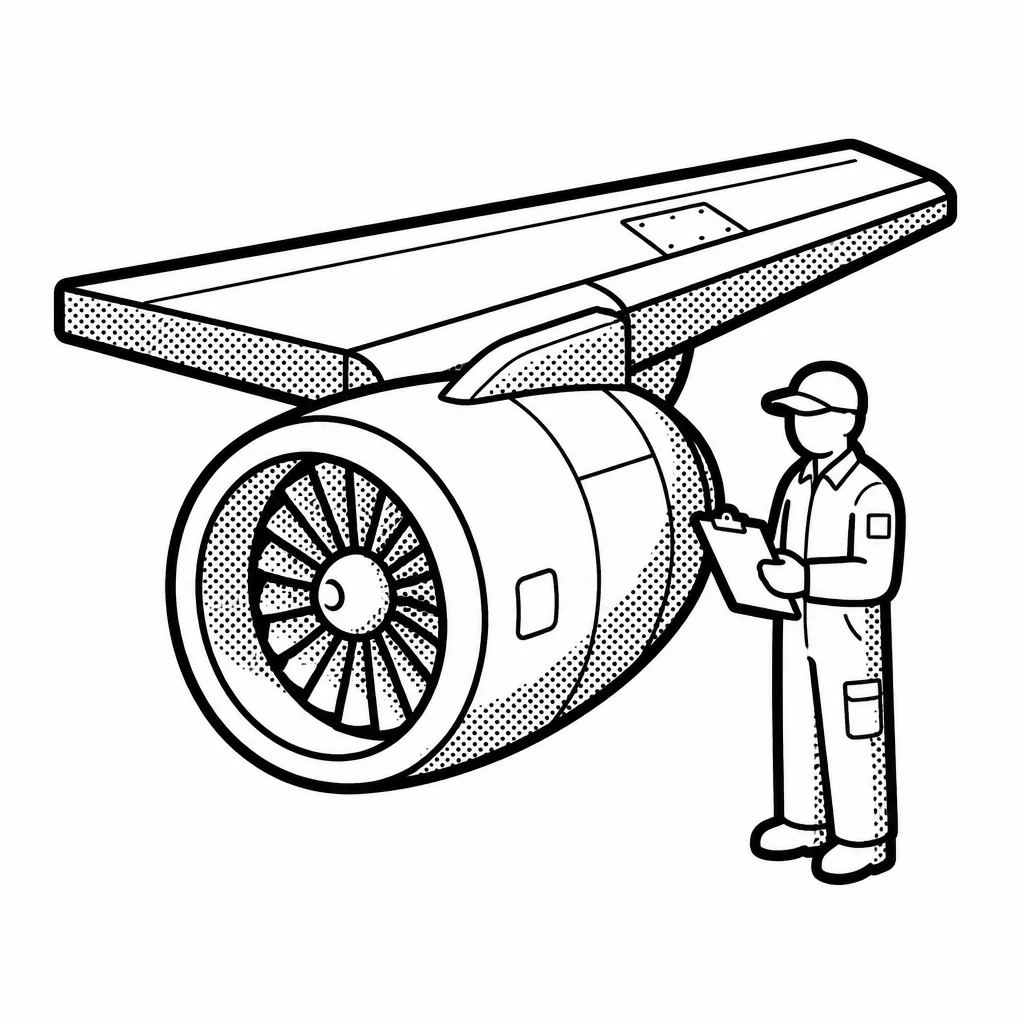
The business splits into two big pieces. One serves commercial aviation: engines for business jets and regional planes, avionics that help pilots navigate, and auxiliary power units that run the cabin when the main engines are off. The other serves defense customers—the U.S. military and allied governments—with engines for helicopters and drones, plus navigation and guidance gear. Airlines and plane makers choose Honeywell because its equipment is certified, proven, and backed by a global service network that repairs and overhauls parts for decades after a plane is delivered. That aftermarket business matters: when a part needs fixing, the customer usually goes back to the original maker. The company's edge comes from a simple fact of aviation: getting a component certified on an aircraft is brutally expensive and slow, so once a Honeywell system is designed into a plane, replacing it is painful for the customer. That creates sticky, long-lasting relationships. But the industry is cyclical—when airlines stop ordering planes, the order book thins—and Honeywell competes with heavyweights like GE Aerospace, RTX, and Safran. Its defense work depends on government budgets and geopolitical tensions, which can cut both ways.
Honeywell Aerospace became a standalone public company after separating from its industrial parent, Honeywell International. That split means it can focus purely on flight, where demand is rising: airlines need fuel-efficient engines, and militaries want smarter drone and navigation tech. The company's future hinges on whether it can keep winning new aircraft programs while keeping its older fleet serviced—and whether defense spending stays strong.
Saved answer · last researched 12 Nov 2026