Understand any stock in simple English
Enter a ticker to learn what the company does and how it makes money.
HMS Networks AB (publ)
HMS Networks makes the hardware and software that lets industrial machines and devices talk to each other, and sells it to automation and machine makers around the world.
HMS Networks builds the little translators that let machines talk. Picture a factory where a robot arm, a motor drive, and a control computer all speak different electronic languages. HMS makes the chips, circuit boards, and software that sit between them and translate, so the whole line can work as one system instead of a tower of babble. Its customers are the people who build that equipment — machine makers and automation companies — who need their products to plug into whatever network the customer already runs.
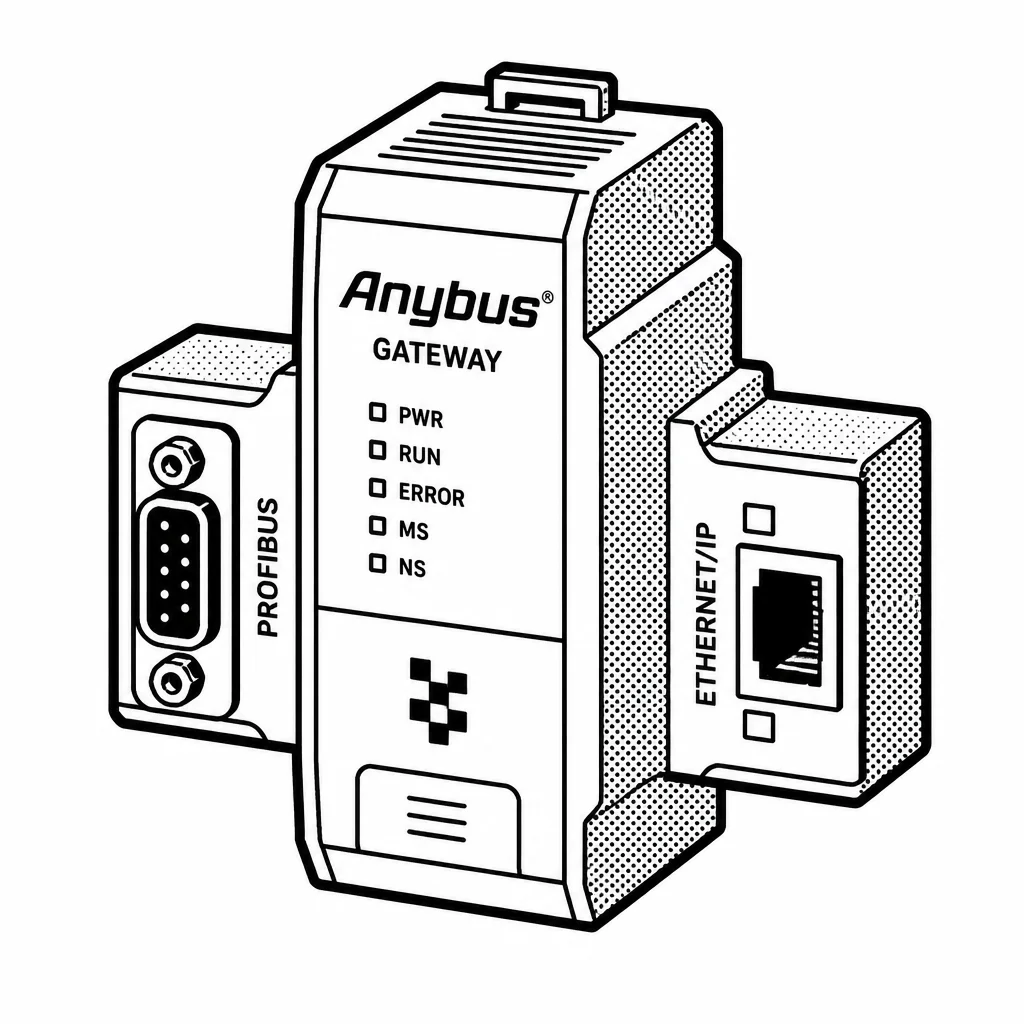
The company's best-known trick is Anybus, a family of embedded components and gateways that connects devices to any major industrial network, from Profibus to Ethernet to wireless. There is also Ixxat, which handles communication inside vehicles and machinery, and Ewon, a line of industrial routers that lets engineers log into a machine remotely to diagnose problems — a kind of secure phone line into the factory floor. HMS is headquartered in Halmstad, Sweden, and sells worldwide, with a big chunk of revenue coming from Germany, the heartland of industrial automation. The business is best understood as a toll bridge on industrial complexity. Factories rarely run one network from one vendor; they end up with a patchwork built over decades, and someone has to make the pieces interoperate. HMS sells that interoperability as off-the-shelf parts and software, which is cheaper and faster than every machine builder designing its own bridge. Its main rivals are other industrial communication specialists and the in-house teams of big automation vendors, but those giants also often use HMS parts themselves, since neutral gear talks to everything.
What makes HMS sturdy is its installed base and switching costs: once a machine builder designs a product around HMS technology, ripping it out is a hassle. What makes it vulnerable is that it rides the capital spending cycle of manufacturers — when factories stop ordering new machines, HMS feels it. The company has grown partly by buying smaller communication specialists to widen its portfolio, and it has been an active acquirer over the years rather than a single-product shop.
Saved answer · last researched 12 Nov 2026