Understand any stock in simple English
Enter a ticker to learn what the company does and how it makes money.
H. Lundbeck A/S
Lundbeck makes and sells medicines for psychiatric and neurological disorders.
Lundbeck is a Danish drugmaker that focuses on one messy, difficult corner of medicine: the brain. It makes prescription medicines for psychiatric and neurological disorders — depression, schizophrenia, Alzheimer's disease, Parkinson's disease, epilepsy and similar conditions — and sells them to distributors, pharmacies and hospitals, who get them to patients. Unlike a household-name drug company with pills for everything from cholesterol to cancer, Lundbeck has stayed narrow on purpose: the brain is where it puts its research money and its salespeople.
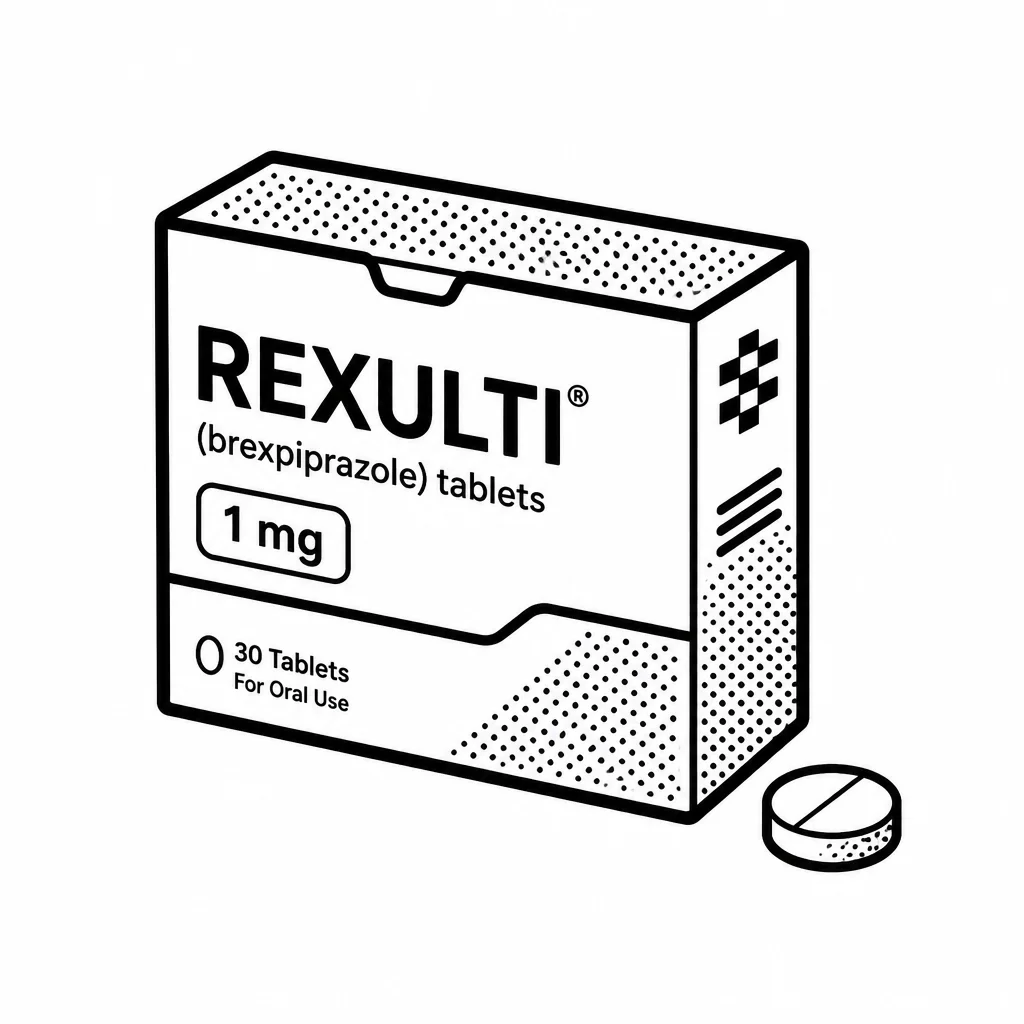
The business model is the standard pharmaceutical one, and it is worth understanding from first principles. Developing a brain drug is slow and expensive, with years of clinical trials and a high chance of failure. When a drug finally wins approval, the company patents it, which gives it years of exclusive selling rights. During that window it can charge prices that cover all the failures and still leave a profit. When the patent expires, cheaper generic copies flood in and revenue for that drug collapses. So a drugmaker is always racing to launch new medicines before old ones lose protection. That race is Lundbeck's central drama. Its historic bestseller was an antidepressant, and when that drug lost patent protection the company had to rebuild around newer products. Today its key medicines include treatments for depression and schizophrenia, plus Vyepti, a migraine prevention drug given as an intravenous infusion a few times a year, which has become one of its important growth drivers. It also sells two drugs for Parkinson's disease through a partnership, and in 2024 it agreed to buy Longboard Pharmaceuticals to add a promising epilepsy drug to its pipeline.
Lundbeck's edge is focus. Doctors who treat brain disorders know the company, and it has spent decades building relationships with psychiatrists and neurologists rather than trying to sell to every kind of physician. The flip side is that it has no big cushion of diversified products: if a key patent lapses or a trial fails, the damage shows up fast. It is a mid-sized player competing against far larger drugmakers, which is exactly why it has to pick its battles carefully.
Saved answer · last researched 12 Nov 2026