Understand any stock in simple English
Enter a ticker to learn what the company does and how it makes money.
Shenzhen Heytea Catering Management Co., Ltd.
Heytea sells freshly made cheese tea, fruit teas, and milk teas to retail customers through its own stores.
Heytea is a Chinese tea-shop chain that sells freshly made drinks — mostly cheese tea, fruit teas, and milk teas — to people who walk into its stores or order for delivery. The signature item is "cheese tea": a cup of brewed tea topped with a thick, salty-sweet foam made from cream cheese. It sounds strange if you haven't tried it, but that salty cap against the bitter tea is the hook that built the brand.
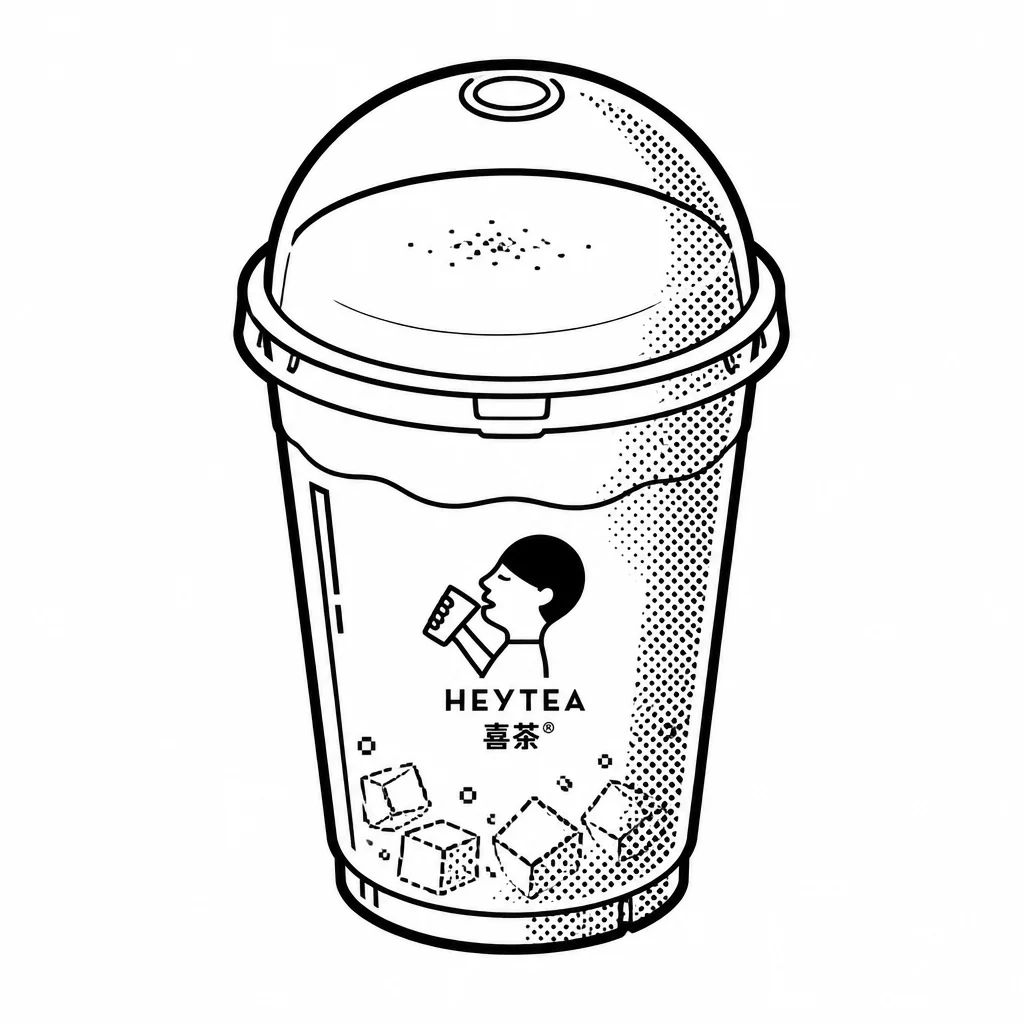
The company started in 2012 in a small shop in Jiangmen, Guangdong, under the name Royal Tea (Huangcha, or "Emperor Tea"), founded by a young entrepreneur named Nie Yunchen. He later rebranded to Heytea and leaned hard into quality and novelty: real fruit, real tea leaves, drinks made to order. Heytea became famous for two things that most chains avoid. First, long lines — at its peak, customers waited hours for a cup, and the queue itself became the marketing. Second, limited-edition drinks and collaborations with other brands that made each launch feel like an event. Heytea stores are mostly company-owned rather than franchised, which gives it tight control over quality but makes growth expensive and slower than rivals that let others run the shops. It competes in a brutally crowded market against chains like Mixue (the giant low-price player), ChaPanda, and Nayuki, plus thousands of independents. The whole sector boomed, then got squeezed as too many shops chased too few customers and a price war broke out. Heytea has responded by opening smaller, cheaper-format stores and pushing into lower-priced products, while still trying to protect its premium image.
For years Heytea stayed private and famously resisted outside money, but in 2021 it raised funding at a reported valuation of around 60 billion yuan, and it has since moved toward a public listing in Hong Kong. The business makes money the simple way: customers pay for drinks, and the gap between the price and the cost of ingredients, rent, and staff is the profit. The real question for Heytea is whether a premium, company-owned model can keep growing when the market has turned into a fight over price. Its bet is that people will still pay more for a better cup — and that the brand's cool factor is worth the premium.
Saved answer · last researched 15 Nov 2026