Understand any stock in simple English
Enter a ticker to learn what the company does and how it makes money.
Henkel AG & Co. KGaA
Henkel makes the glues that hold cars, phones, and buildings together, and also sells familiar household brands like Persil detergent and Schwarzkopf shampoo.
Henkel is a German company with two very different jobs. One half is a serious industrial business: it makes adhesives, sealants, and specialty chemicals — the stuff that holds things together. The other half sells everyday products you'd find in a supermarket: laundry detergent, shampoo, and body care. So the same company might supply the glue that bonds a smartphone screen and also sell you the shampoo you use the next morning.
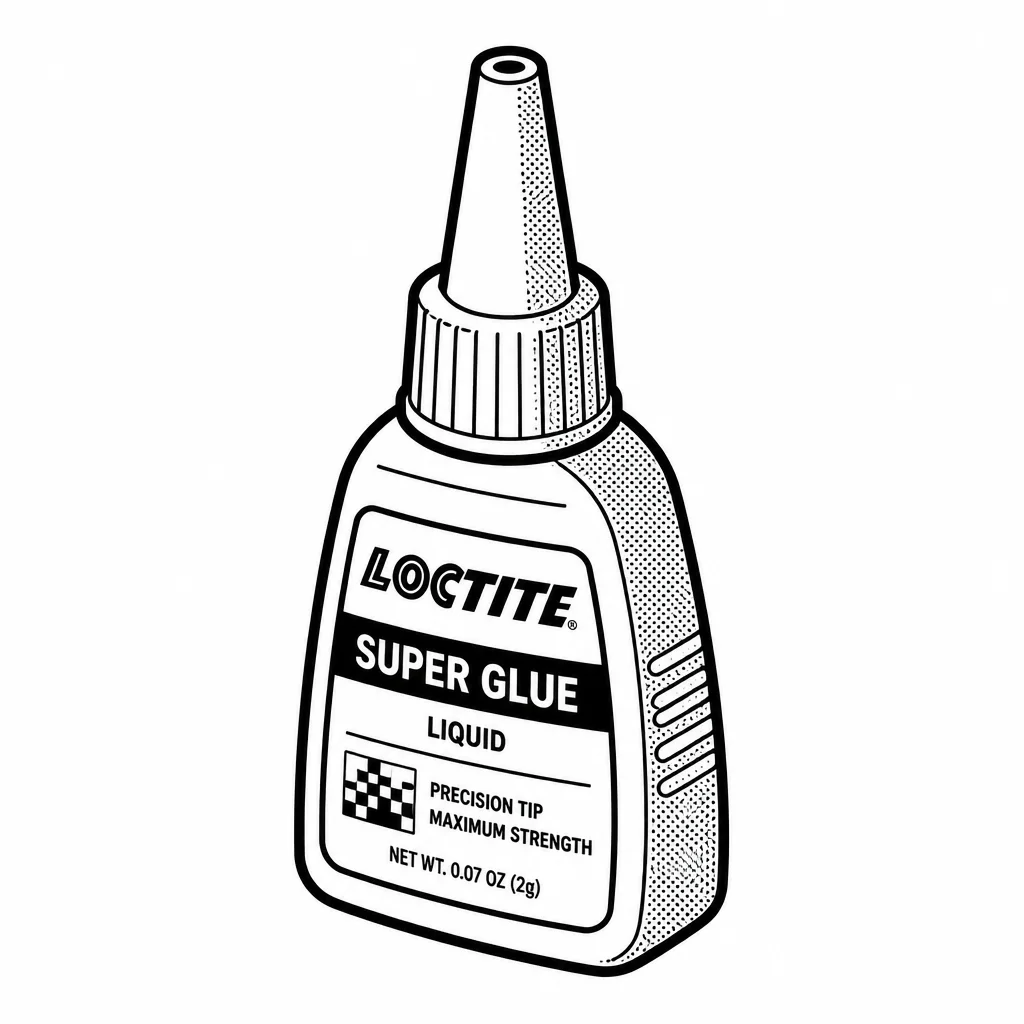
The adhesives side is the quiet engine. Car makers, electronics manufacturers, packaging companies, and construction firms buy Henkel's glues and sealants because the wrong adhesive can fail — a phone falls apart, a car rattles, a box bursts in transit. That constant, unglamorous reliability is why industrial customers stick around. Consumer brands like Persil and Schwarzkopf compete in crowded aisles where shoppers can switch in seconds, so that side lives on marketing and habit rather than engineering. Henkel is one of the world's largest adhesives makers, alongside rivals like 3M and Arkema, and it faces consumer-brand competition from giants such as Procter & Gamble and Unilever. It was founded in 1876 and is still controlled by the Henkel family, though the shares trade on the German exchange. That family grip means management thinks in decades, not quarters — a real strength when you're building trust with industrial buyers.
The company's cash flow gets spent on dividends, share buybacks, and buying smaller businesses that add technology it doesn't want to build itself. Its main vulnerability is that the industrial side rises and falls with the global economy, while the consumer side fights for shelf space against bigger, hungrier rivals. Henkel is a solid, boring workhorse — the kind of company that makes money in the background while you're busy using its products without ever once thinking about it.
Saved answer · last researched 12 Nov 2026
Timeline
Fritz Henkel Starts a Detergent Company
In 1876, a 28-year-old salesman named Fritz Henkel had a simple idea: make a universal detergent and sell it himself. He started the company in Aachen with two partners, then moved it to Düsseldorf two years later. That small shop grew into an international corporation with brands like Persil, Schwarzkopf and Loctite.
Bleaching Soda Goes Abroad
Soon the young company had a hit on its hands: a branded bleaching soda that sold so well it pushed Henkel to export for the first time. Selling under its own name, not just as a generic product, was the seed of something bigger.
Persil Changes Laundry Forever
In 1907, Fritz Henkel and his two sons launched Persil, the world's first self-acting detergent. It was a breakthrough that changed how people did laundry, and the clever ad campaigns behind it laid the foundation for modern brand management.
Adhesives Begin as a Side Project
Henkel started making adhesives for its own factories in 1922, and a year later began selling them to retailers too. That small internal need became the origin of Adhesive Technologies, today the world's leading provider of adhesives, sealants and functional coatings.
Henkel Buys Into Soap
Henkel bought into the Krefeld-based soap company Dreiring-Werke. Together with a later takeover, this laid the groundwork for what became the Beauty Care business.
Konrad Henkel Takes the Helm
Dr. Konrad Henkel, the founder's grandson, ran the company from 1961 to 1980. Under him Henkel became more systematically international, expanding into Japan, Latin America and the USA while building European market leadership.
Henkel Goes Public
In 1985 Henkel launched its initial public offering to drive growth and internationalization, giving the company greater scope to expand. Sales rose from the equivalent of 4.7 billion euros that year to 18.1 billion euros by fiscal 2015.
An Outsider Shakes Up Henkel
Kasper Rorsted became CEO in 2008, the first outsider and non-German to run Henkel. He brought American-style intensity and profit focus: cutting costs, closing plants, shedding 800 of 1,000 brands and cutting the workforce about 10% by 2015. Over his eight years the share price more than tripled and net earnings rose almost 60%, surpassing rivals P&G and Unilever, though many employees felt demoralized by the culture shift.
The National Starch Acquisition
The largest acquisition in company history was the 2008 purchase of National Starch's adhesives and electronics businesses. It significantly strengthened the Adhesive Technologies business unit.
Sun Corporation Buy Makes Henkel a US Detergent Power
In September 2016 CEO Hans Van Bylen announced the purchase of The Sun Corporation detergent group. This made Henkel the second-largest player in the North American detergent market.
Henkel Consumer Brands Is Formed
One of the biggest changes in recent corporate history: the two consumer businesses were merged into a single unit, Henkel Consumer Brands, launched at the beginning of 2023. Integration was completed after just three years, a year earlier than planned, with savings of about 540 million euros per year by the end of 2025. The division's EBIT margin improved from 8.3% at the end of 2022 to 14.5% by the end of 2025.
The Stock Slumps on Weak Guidance
In March 2025, after a three-and-a-half-year share price high, Henkel's stock slumped almost 12% on guidance for a 'slow start' to the year. The company cited a difficult industrial environment and weak consumer sentiment, particularly in North America. A higher dividend and up to one billion euros in share buybacks failed to appease investors worried about weak organic growth.
Four Acquisitions in One Year
At the beginning of 2026 Henkel announced four major acquisitions across both business units, together representing around 1.6 billion euros in additional sales and about 5 billion euros in investment. The deals included premium hair brand Olaplex, Not Your Mother's, ATP Adhesive Systems and Stahl, expanding into specialty tapes, coatings and premium hair care. Since 2020 the company completed more than 10 acquisitions worth around 2.5 billion euros in sales while divesting about 2.7 billion euros, and expects the new businesses to reach around 2 billion euros in annual sales by 2030.