Understand any stock in simple English
Enter a ticker to learn what the company does and how it makes money.
Hidrovias do Brasil S.A.
Hidrovias do Brasil moves cargo like grain and fuel across South America using barges, trucks, and port terminals.
Hidrovias do Brasil is a logistics company that moves heavy cargo — mostly agricultural products and fuel — across Brazil and neighboring countries. Its core trick is using rivers. Brazil has enormous inland waterways, especially the Amazon system and the Paraná-Paraguay river network, and barges can haul bulk cargo far more cheaply than trucks. Hidrovias builds and operates the barges, the terminals where cargo gets loaded and unloaded, and the port infrastructure that connects river transport to ocean-going ships. It also runs some road and multimodal operations, so customers can hand off cargo between truck, barge, and ship.
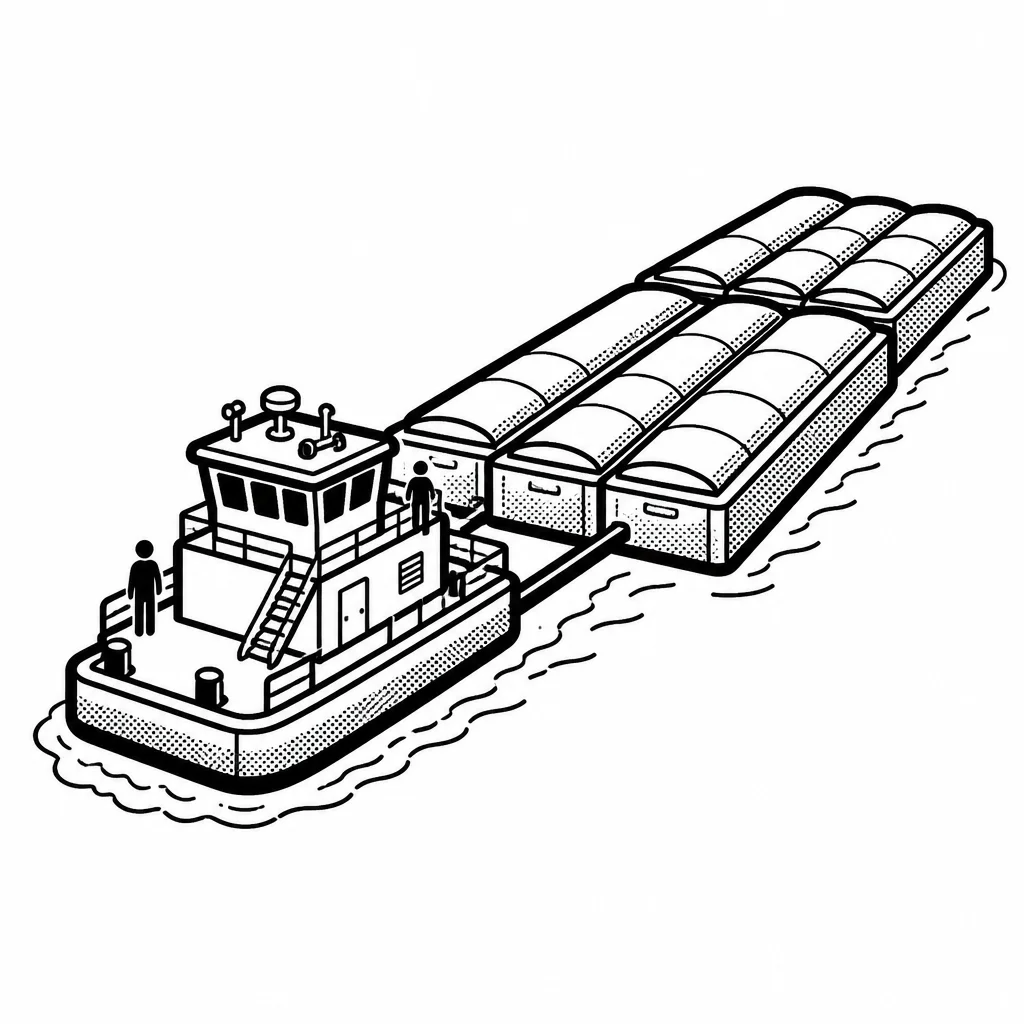
Customers are the big commodity traders and energy companies: the firms that buy soybeans and corn from farmers and need to get them to export ports, and fuel distributors that need diesel and other products moved inland. They pay Hidrovias for the whole logistics chain — tugboats and barges, terminal handling, storage, and transfer to seagoing vessels. The pitch is simple: river transport is cheaper and greener than long-haul trucking, and in a country as big as Brazil, that gap matters a lot when you're moving millions of tons of soybeans. The business is capital-heavy. Barges, tugboats, and terminals cost real money up front, and returns depend on keeping those assets busy. That creates a double-edged sword: once the infrastructure exists, each extra ton of cargo is very profitable, but when harvests disappoint or trade slows, the fixed costs don't go away. Hidrovias has also invested in a key export terminal in the Amazon region and pushed into fuel logistics, betting that Brazil's grain and fuel flows will keep growing.
The company is listed on the Brazilian stock exchange, and it's a way for investors to own a piece of the country's export machine without owning farms or trading houses. Its fortunes track Brazilian agriculture and fuel demand, plus the health of the rivers themselves — drought in the Amazon has at times forced barges to carry less, which shows how real the weather risk is for a river-based business.
Saved answer · last researched 12 Nov 2026